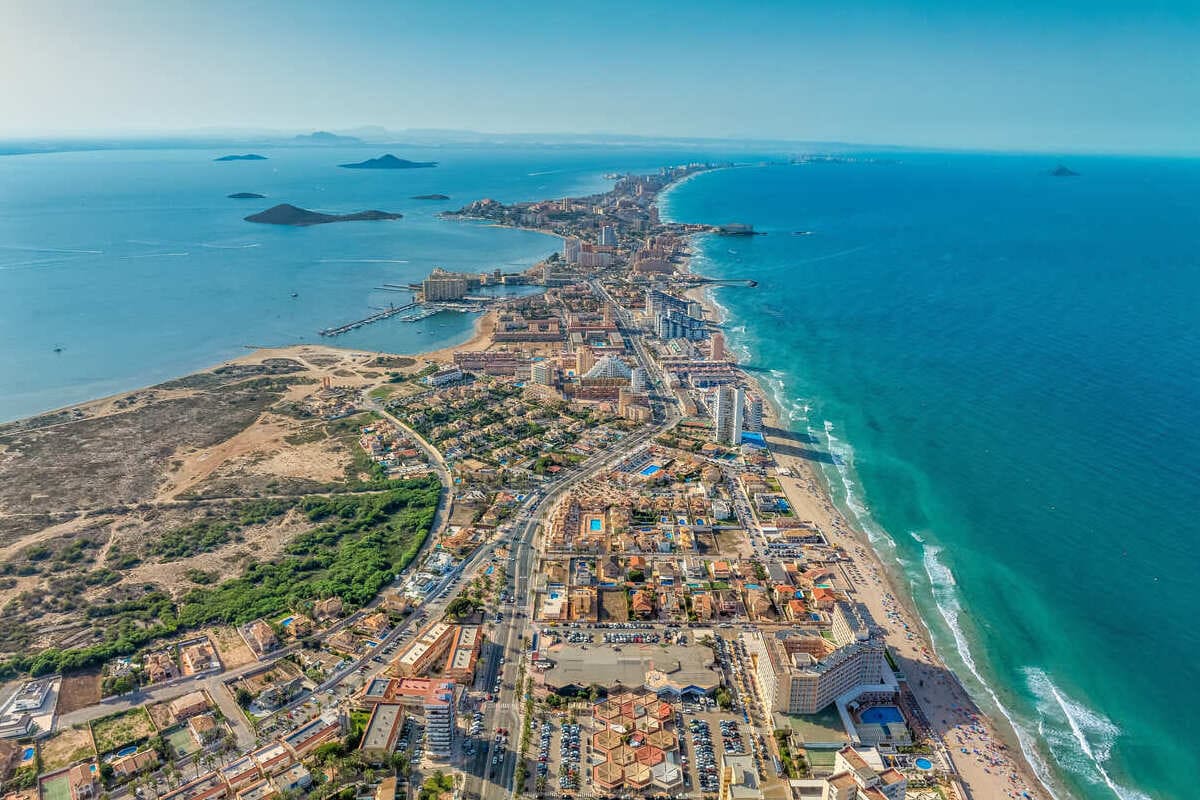
Spain is not hiding its frustration with summer tourism anymore. For years, local governments have debated how to handle the sheer volume of visitors. In 2026, the debate is over. They are enforcing strict, highly specific regulations that target the exact way most people plan their summer vacations.
These are not abstract laws. They are operational rules being enforced by municipal police, hotel inspectors, and neighborhood councils right now. If you have already booked your trip for June, July, or August, you need to audit your itinerary against this list. If you don't, you risk arriving to a cancelled accommodation or an unexpected fine.
1. The Airbnb Purge in Barcelona
This is the most significant logistical change in European travel this year. Barcelona has aggressively accelerated the closure of unlicensed short-term tourist apartments. By Summer 2026, all apartments that do not hold a specific, verified tourist license number will be illegal to rent to visitors.
What this means for you: If you booked an apartment through Airbnb, VRBO, or a direct rental site, and the listing does not explicitly display a license number starting with "HUTB" (for Barcelona) or the equivalent regional code, your reservation is at severe risk of being cancelled by the city.
The city is actively scanning platforms and issuing takedown notices. Do not assume that because you paid in full, the apartment is legal. The host may be legally prohibited from handing over the keys when you arrive, leaving you without a place to stay in a city where last-minute hotel rates will be astronomical.
2. The Mallorca "Balcony" Ordinances
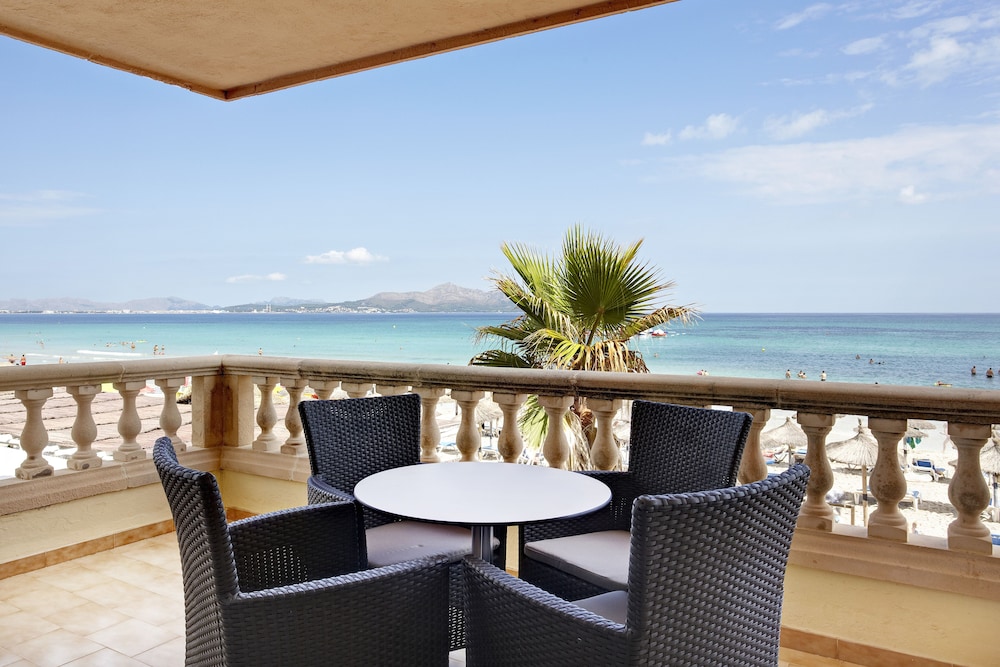
The Balearic government, which governs Mallorca and Ibiza, has implemented draconian noise ordinances targeting terrace and balcony usage in residential zones. If you are staying in an apartment in Palma, Ibiza Town, or Sant Antoni, and you decide to sit on your terrace after 10:00 PM and talk at a normal volume, you are technically in violation of local noise codes.
Local councils have deployed noise-monitoring cameras in high-tourism residential streets. Fines for noise violations start at €150 for a first offense and can escalate rapidly. The intent is to force disruptive tourists out of residential neighborhoods.

How to avoid the fines
Do not stay in the dense residential center of Palma or the old town of Ibiza unless you are prepared to observe strict quiet hours after 10:00 PM. If you want a lively evening atmosphere without the legal risk, book a boutique hotel in a designated tourist zone or a rural finca (estate) outside the town centers. You get the Mediterranean aesthetic without the surveillance.
3. Protected Coastline Access Restrictions
In response to environmental degradation, several coastal regions—including parts of the Canary Islands, Andalusia, and the Balearics—have restricted access to specific natural beaches and dune systems. You are no longer allowed to simply walk onto certain protected coastlines.
In places like Maspalomas in Gran Canaria or the dunes of Cabo de Gata in Andalusia, walking off the designated wooden boardwalks into the dunes is strictly prohibited and carries a hefty environmental fine. Additionally, setting up umbrellas, tents, or chairs on specific protected beaches is now illegal to preserve the sand ecology.
The "Legal Quiet" Trend: How to See the Real Spain
The underlying theme of all these 2026 regulations is a push toward what urban planners call "legal quiet." Spain does not want to stop you from visiting. It wants to stop you from disrupting the daily lives of its residents. The era of the chaotic, unregulated summer invasion is structurally over.
If you adapt, Spain is actually much more pleasant than it was five years ago. The residential neighborhoods are quieter. The beaches are less cluttered. The restaurants in the non-tourist zones are serving better food because they are catering to locals again. But you have to stay inside the lines—which means getting out of Barcelona and into the medieval countryside.
