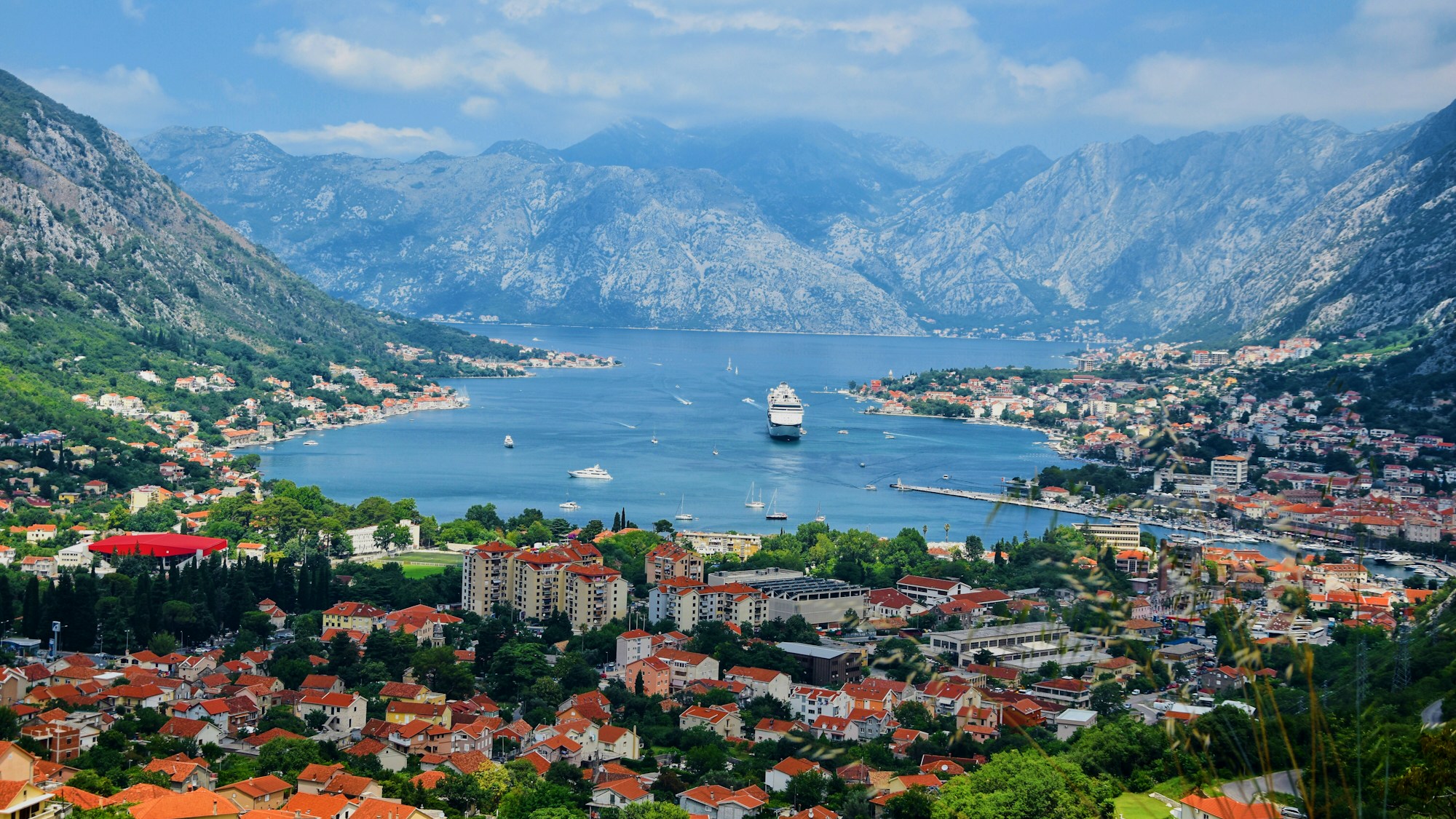
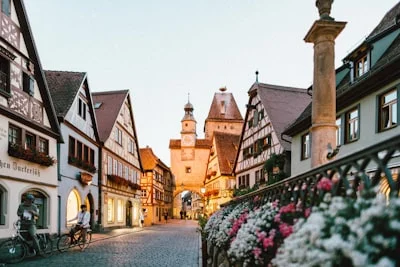
"Dubrovnik is the supermodel. Kotor is the real thing. Both are extraordinary. Only one of them will leave grass growing between cobblestones, cats sleeping in doorways, and your wallet meaningfully less depleted."
Both are UNESCO World Heritage Sites. Both have medieval walled Old Towns on the Adriatic. Both are reachable from each other in under 2.5 hours. And yet they serve completely different experiences — and most articles writing about this comparison fail to say so clearly enough to actually help anyone decide.
Dubrovnik is Croatia's crown jewel: polished, spectacular, and so thoroughly optimized for tourism that it has started to price out the authenticity that made it famous. Kotor is Montenegro's best-kept secret (for now): smaller, more dramatic in setting, 25–35% cheaper, and still possessing the lived-in texture of a city where people actually reside. One is a UNESCO monument. The other is a UNESCO monument that people still hang their laundry from.
Quick Verdict
For people who need the answer before the argument
First-time Adriatic visitors: Dubrovnik. The scale, the history, the completeness of the tourist infrastructure, and the flight connectivity make it the more complete experience for first-timers.
Second visit or savvy travelers: Kotor. It delivers the UNESCO-walled-medieval-city experience at a third less cost, in a more dramatic natural setting, with fewer crowds and more authenticity still intact. Plus it's a 2-hour drive from Dubrovnik — doing both on the same trip is entirely feasible.
On budget: Kotor by 25–35%. On setting/scenery: Kotor (the Bay is unlike anything in Croatia). On completeness as a tourist city: Dubrovnik. On crowds: Kotor is manageable, Dubrovnik in July–August is not.
The Real Difference Nobody Clearly States
Why "they're similar" is the laziest answer in travel writing
Yes, both are UNESCO-listed medieval walled cities on the Adriatic. That comparison is where the similarity ends. The experience of each place is fundamentally different in character.
- City of ~13,000 in a fjord-like bay surrounded by 1,800m limestone mountains
- Old Town is genuinely lived-in — locals shop here, laundry hangs from windows
- Fortress climb (1,350 steps) to Fort St. John — one of Europe's most dramatic views
- 25–35% cheaper than Dubrovnik across all categories
- Hundreds of cats — a Kotor institution with its own museum
- Bay of Kotor day circuit: Perast, Our Lady of the Rocks, Herceg Novi
- Tivat Airport 8km away (small, fewer routes)
- City of ~42,000, major cruise ship port
- Old Town is more polished — heavily restored after 1991 war damage
- City Walls walk (2km) with sea and Old Town views — €35/person
- More beaches, islands (Lokrum), and day trips available
- Better nightlife, more restaurant variety
- Cable car to Mount Srđ for panoramic views
- Dubrovnik Airport (DBV) with international routes
The essential cultural difference: Dubrovnik is a city that has been almost entirely subsumed by its tourism economy. Walking the Old Town in peak season, every doorway leads to a restaurant or souvenir shop; every square has a photographer's backdrop ambience; the UNESCO plaque is the product being sold. Kotor still has a pharmacy, a school, a vegetable market, and a bakery that locals actually use. That distinction sounds small until you're in it.
The Cost Gap Is Larger Than You Think
Real 2026 prices for the same categories in both cities
The most telling comparison: the Dubrovnik city walls cost €35 vs €8 for Kotor's fortress climb. Both are extraordinary. The Dubrovnik walls are wider and give sea views in every direction; the Kotor fortress gives mountain-fjord views that are arguably more dramatic. But a family of four pays €140 for Dubrovnik's walls vs. €32 for Kotor's fortress — a €108 difference in a single activity.
The accommodation gap is the biggest single factor. Staying inside the Old Town in Kotor is both possible and affordable (apartments from €45/night via Airbnb or Booking.com). Staying inside Dubrovnik's walls costs €120–220+/night minimum for comparable quality. This one decision accounts for most of the weekly budget difference.
Old Towns & Walls: The Honest Comparison
Two UNESCO sites — which actually delivers more?
Dubrovnik's city walls are rightly famous. The 2km circuit walk gives 360-degree views over terracotta rooftops, the Adriatic, and the hills behind the city. They're exceptionally well-preserved (partially rebuilt after 1991 war damage), wide enough to walk two abreast comfortably, and dotted with towers offering changing angles. The walls are Dubrovnik's signature experience — and the €35 price reflects the fact that hundreds of thousands of people do them annually. The downside: you're sharing that experience with many of them simultaneously, especially in summer.
Kotor's fortress is a different kind of experience. The climb to Fort St. John takes 45–60 minutes and involves 1,350 irregular stone steps that ascend the sheer limestone cliff above the town. The payoff at the summit is one of Europe's most singularly dramatic viewpoints: the walled city below, the entire Bay of Kotor visible as a fjord stretching into the mountains, and the scale of the limestone peaks that enclose it. The Kotor fortress view is, in our opinion, more memorable than the Dubrovnik walls walk — it's physically earned, geometrically surprising, and shared with far fewer people.
- Go at sunrise (5:30–7am in summer). The fortress is technically open from 8am but the gate is rarely staffed at dawn. Arrive early, pay at the top. Light on the bay is extraordinary in the first hour, and you'll have the steps almost to yourself.
- Or go at sunset (6–8pm). Golden light on the limestone walls and water. Bring a picnic — there are flat sections partway up where you can sit with a bottle of wine and watch the bay turn gold. Better than any restaurant in town.
- Avoid 10am–2pm. This is when cruise ship passengers arrive. The steps become genuinely congested with thousands of people, and the experience deteriorates dramatically.
- Wear proper shoes. The medieval cobblestones and steps are uneven and polished smooth. Flip-flops are a genuine slip hazard.
Setting & Scenery: No Contest
The Bay of Kotor is one of Europe's most dramatic landscapes
Dubrovnik sits on a beautiful Adriatic peninsula, and the coastal scenery is genuinely lovely. But the setting is relatively conventional — a walled city on a headland, sea in two directions, mountains behind. It's the architecture that makes Dubrovnik spectacular, not the geography.
Kotor's setting is genuinely unlike anything else in the Adriatic. The Bay of Kotor — technically Europe's southernmost fjord, though geologically a submerged river canyon — is 28km long and surrounded by mountains rising to 1,800m. The town sits at the innermost point of this enclosed bay, with sheer limestone walls behind it and still, mirror-flat water in front. The overall effect, especially at dawn or dusk, is closer to the Norwegian fjords than anything on the Mediterranean. It's been used as a filming location for series requiring a dramatic medieval coastal landscape — the comparisons to Game of Thrones shooting locations in Croatia are not accidental.
"There is a particular moment when you drive the road around the Bay of Kotor at dusk — the mountains turning purple, the water reflecting pink clouds, the red-roofed villages tiny against the cliff faces — where you understand why this place has been called one of the most beautiful bays in the world."
The bay drive from Kotor is itself a half-day experience worth prioritizing. The circuit via Perast (a perfectly preserved Baroque town with a boat ride to the island church of Our Lady of the Rocks) and Herceg Novi takes 3–4 hours and delivers some of the most scenic coastal driving in Europe.
The Crowds Problem
Both have cruise ship issues — but the scale is very different
Dubrovnik has been in the news for overtourism for years. At peak season, the Old Town receives upwards of 8,000–10,000 cruise ship passengers per day in addition to hotel guests — in an Old Town the size of a few city blocks. The Croatian government has implemented daily tourist caps, but the experience in July–August remains genuinely unpleasant: the streets are near-impassable between 10am and 2pm, every restaurant has a queue, and the atmosphere that makes the city special is largely absent under the crush.
Kotor has a cruise ship problem too — up to 2,000 passengers can descend on the tiny Old Town when ships dock — but the scale is contained in two important ways. First, Kotor's Old Town is slightly larger relative to the visitor numbers. Second, and crucially: the cruise passengers leave by 5–6pm, and what remains after they go is extraordinary. The streets empty, locals come out, restaurants become restaurants rather than conveyor belts, and the town's real character reasserts itself within an hour of the last tender departing.
The secret that all Kotor guides fail to mention: Walk into the Old Town at 7pm. It's genuinely quiet — you can hear the fountains, watch cats claim the squares, and find yourself alone in medieval alleys that had hundreds of people in them two hours earlier. The evening is Kotor's best kept secret. Stay at least one night for this.
Full Scorecard
Category-by-category — out of 10
Who Should Go Where
The direct persona-based recommendation
→ Choose Kotor
- Travelers who've already done Dubrovnik
- Budget-conscious travelers (25–35% cheaper)
- Hikers and active travelers (fortress climb, Lovćen)
- Those who dislike massive crowds
- Photographers and landscape lovers
- Travelers adding Montenegro to a Balkans trip
- Anyone who values atmosphere over polish
→ Choose Dubrovnik
- First-time Adriatic visitors
- Those who want a complete, polished city break
- Beach holiday seekers (better options nearby)
- Nightlife and dining prioritizers
- Game of Thrones film location tourists
- Travelers with easy direct flight access
- Those combining with Croatian islands (Hvar, Korčula)
Doing Both: The Smart Move
Kotor is 2 hours from Dubrovnik — here's how to make the most of it
The most common and most sensible approach: fly into Dubrovnik, spend 2–3 nights there, then cross into Montenegro to Kotor for 2–3 nights. The border crossing between Croatia and Montenegro takes 15–45 minutes depending on the season and day. The drive itself — around the Bay of Kotor — is spectacular.
| Option | Cost | Time | Best For |
|---|---|---|---|
| Day trip (organized tour) | €40–60/person | 12–14 hours | TIGHT SCHEDULES |
| Self-drive day trip (rental car) | €25–40 car + petrol | 10–12 hours | FLEXIBILITY |
| Bus (2–3 departures/day) | €12–18 one-way | 2.5–3 hours each | BUDGET |
| Overnight stay (best option) | Bus + 1–2 nights hotel | 1–2 days in Kotor | RECOMMENDED |
Car rental cross-border note: Most Croatian rental agencies allow their cars to be driven into Montenegro, but you must declare this when booking — there's often a €10–20 fee for the permit. Do not assume it's included; verify explicitly. Budget and Europcar are generally more flexible than smaller local agencies.
Kotor: The Adriatic's Hidden Fortress
Montenegro's medieval masterpiece
The Old Town: A walled city squeezed between mountains and sea, Kotor's old town is a maze of cobblestone alleys, hidden piazzas, and stone churches. It is smaller than Dubrovnik's old town but equally atmospheric — and far less crowded. No cars are allowed inside; the silence is striking after the coastal road noise.
The City Walls hike: The highlight of any Kotor visit — a steep climb up 1,350 steps to the fortress of San Giovanni (St. John) overlooking the bay. The view is extraordinary: the fjord-like Bay of Kotor, the red roofs of the old town, cruise ships looking like toys 300m below. Allow 2-3 hours round-trip. Go early (7am) to avoid heat and crowds. Free entry.
The Cats of Kotor: Hundreds of cats roam the old town — fed by locals, photographed by tourists. There is even a Cats Museum (€3). They are friendly, well-fed, and part of Kotor's charm. Cat lovers will be in heaven.
Bay of Kotor drives: The coastal road from Kotor to Perast and beyond is one of Europe's most scenic drives. The Vrmac tunnel shortcut is fast; the old road over the mountains offers views that justify the extra time. Stop at Perast (the pearl of the bay), take a boat to Our Lady of the Rocks (man-made island church), continue to Herceg Novi.
Prices in Kotor (May 2026 Serper data): Private room in old town: €40-70/night. Apartment outside walls: €30-50. Dinner for two with wine: €25-35. Coffee: €1.50. Beer: €2.50. It is 60-70% cheaper than Dubrovnik across the bay.
Dubrovnik: The Pearl & The Price Tag
Beautiful, famous, expensive
The Walls: Dubrovnik's city walls are the best in Europe — 2km of fortifications with views over the old town and the Adriatic. Entry: €35 (2026 price, up from €30). Worth it for the views, but the price stings. Go early (8am opening) to avoid crowds and heat. Allow 2 hours.
The Old Town: A perfect rectangle of marble streets and baroque buildings, entirely pedestrianized. It is genuinely beautiful — no amount of Game of Thrones tourism can ruin the sheer quality of the architecture. But it is crowded, especially when cruise ships dock (10am-4pm).
Stradun: The main street — polished marble, lined with cafes and shops, stunning at dawn when empty. During the day it is packed. Visit early morning (before 8am) or late evening (after 9pm) for the atmosphere without the crowds.
Game of Thrones tourism: King's Landing was filmed here, and the city has leaned into it. Iron Throne photos, tours of filming locations, memorabilia shops everywhere. If you are a fan, it adds a layer of fun. If you are not, it is slightly annoying but easy to ignore.
The prices: Dubrovnik is expensive by Croatian standards and comparable to Western European cities. Old town accommodation: €120-250/night. Dinner for two: €60-90. Day trip to Lokrum Island: €27 return ferry. The walls: €35. A cocktail at a cliff bar: €15. Budget accordingly — Dubrovnik is not a cheap destination.
Perast: The Secret Third Option
Stay here instead of Kotor or Dubrovnik
The compromise: Perast is a tiny village 15 minutes north of Kotor, directly across the bay from Dubrovnik. It has the beauty of Kotor with even fewer crowds, the same bay views, and easy access to both cities. It is where smart travelers stay.
What Perast offers: A waterfront promenade lined with baroque palaces (now mostly ruins or hotels), two small islands offshore (boat trips €5), and complete peace after 6pm when the tour buses leave. The sunset views over the bay toward the mountains are exceptional.
Prices: Waterfront apartments: €50-90/night — cheaper than Kotor old town, vastly cheaper than Dubrovnik. The restaurants are good and local-priced. You can day-trip to Kotor (15 min bus) or Dubrovnik (2 hours including border) easily.
The catch: Perast is tiny — one main street, limited restaurants, no nightlife. If you want to party, stay in Kotor. If you want peace and beauty, stay in Perast.
Day Trips from Kotor & Dubrovnik
Beyond the walls
Lovćen National Park (from Kotor): Drive the 25 serpentine switchbacks up from Kotor to Njeguši village (famous for smoked ham and cheese), then continue to Lovćen summit. The mausoleum of Petar II Petrović-Njegoš sits at 1,660m with 360-degree views of Montenegro. Entry: €5. The drive is half the experience.
Ostrog Monastery (2 hours from Kotor): A Serbian Orthodox monastery built into a vertical cliff face, 900m up. One of the most dramatic religious sites in Europe. Free entry; donations welcome. Dress modestly (covered shoulders and knees).
Elafiti Islands (from Dubrovnik): A chain of islands northwest of Dubrovnik — Koločep, Lopud, and Šipan. Ferries run multiple times daily. Lopud has sandy beaches (rare in Croatia) and car-free tranquility. Perfect escape from Dubrovnik crowds. Ferry: €15 return.
Mostar, Bosnia (3 hours from Dubrovnik): A day trip into another country — the famous Stari Most bridge, Ottoman old town, Turkish coffee. The drive through the Neretva valley is beautiful. Border crossings add time but are straightforward.
Kotor vs Dubrovnik FAQ
The questions we get asked, answered without hedging
Kotor wins for scenery, atmosphere, and value. Dubrovnik wins for completeness as a tourist city — more beaches, better nightlife, more flights, and a grander Old Town. If you can only choose one: Dubrovnik if you've never been to either country. Kotor if you've already done Dubrovnik and want an experience that feels more genuinely medieval and less managed.
Yes — roughly 25–35% cheaper across comparable categories. Mid-range hotel inside the walls: €60–120 in Kotor vs. €120–220 in Dubrovnik. Sit-down dinner: €15–22 in Kotor vs. €25–40 in Dubrovnik. The city walls entry alone: €8 (Kotor fortress) vs. €35 (Dubrovnik walls). A 5-night trip that costs €600 in Kotor costs roughly €850–900 in Dubrovnik.
Yes — it's 2–2.5 hours each way by car (including border crossing). The drive around the Bay of Kotor is itself one of the most beautiful coastal drives in Europe. A day trip can comfortably cover Kotor Old Town, the fortress climb, and a stop in Perast. Buses depart 2–3 times daily from Dubrovnik bus station (€12–18 one-way). Day trip tours from Dubrovnik cost €40–60 including transport. We still recommend staying overnight — the evening, after cruise ships leave, is the best of Kotor.
The food quality is similar — both feature Adriatic seafood, black risotto, fresh fish, and regional Croatian/Montenegrin cuisine. Kotor has the advantage on price and authenticity: the tourist markup in Dubrovnik's Old Town is significant, and restaurants that price for cruise ship passengers have less incentive to be excellent. In Kotor, the competition is real. The specific Montenegrin dishes to try in Kotor: crni rižot (black risotto), locally smoked Njeguška pršuta (cured ham from Njeguši village), and polenta with local cheese.
2–3 days is the sweet spot. Day 1: Old Town walk, fortress climb, evening in the Old Town after cruise ships leave. Day 2: Bay of Kotor circuit — Perast, Our Lady of the Rocks, Herceg Novi — by rental car (€25–35/day). Day 3 (optional): Lovćen National Park and Njegoš Mausoleum (panoramic views across Montenegro), or a day trip to Budva's beaches. The Old Town itself can be exhausted in one afternoon but is best experienced over 2+ evenings.