Cost of Living in Portugal for a Month — 2026 Budget Breakdown

"Western Europe's last great bargain — but the gap is narrowing faster than anyone wants to admit."
Portugal has been riding a wave of digital nomad enthusiasm for the better part of a decade, and with that attention has come inflation. Lisbon in 2026 is not the cheap city it was in 2019. But relative to London, Paris, or Amsterdam, it remains compelling value — especially once you move even slightly outside the city center.
The divide in Portugal is stark: Lisbon is expensive, Porto is moderate, and anywhere inland or rural remains genuinely budget-friendly. A one-bedroom apartment in Lisbon's center averages €1,402 per month. Step 10 minutes outside that center and you're looking at €1,075. Move to Braga, and you can find the same apartment for €550–700.
Food remains Portugal's strongest argument for value. Groceries for one person run €250–320 per month. The legendary prato do dia — a full lunch of soup, main, dessert, and a drink — costs €8–12 in neighborhood restaurants. A bica (espresso) costs €0.70–1.00 at any local café. The moment you start ordering in tourist restaurants, that math evaporates.
"The real trick with Portugal: every 30 minutes you move away from Lisbon, prices drop by 20%. The food and weather are the same. Most travelers never figure this out."
Transport costs are Portugal's genuine strength. A monthly pass in Lisbon or Porto — covering unlimited metro, tram, and bus — costs just €40. Cross-country trains from Lisbon to Faro run around €20. Uber and Bolt are available in major cities and consistently undercut traditional taxis.
- Skip Lisbon center: Neighborhoods like Mouraria, Graça, and Campo de Ourique offer 20–30% lower rents with full character and metro access.
- Mercado vs. Supermercado: Local markets (Mercado da Ribeira, Mercado de Campo de Ourique) have fresher produce at lower prices than Continente or Pingo Doce.
- The prato do dia habit: Eating your main meal at lunch (€8–12) and cooking dinner will cut your food costs in half versus dining out twice daily.
- Utility shock watch: Electricity in Portugal is expensive relative to income. Budget €60–90 just for electricity in summer (AC) or winter (heating).
- Co-working arbitrage: Monthly co-working passes in Lisbon run €120–180 — often cheaper and more productive than cafés that resent laptop workers.
Cost of Living in Italy for a Month — 2026 Budget Breakdown

"Italy is a country of sharp contrasts: some of Europe's most expensive cities next to some of its best-value regions, often just two hours apart."
Italy confuses travelers because the price gap between north and south is enormous, and between tourist zones and local neighborhoods it's similarly dramatic. Rome and Milan are expensive. Florence is expensive. Venice is in a category of its own. But Naples, Palermo, Puglia, and most of southern Italy? Genuinely, surprisingly affordable — and often more beautiful.
Accommodation is Italy's biggest cost challenge. A one-bedroom apartment in central Rome runs €1,400–1,600. Step outside the Aurelian Walls and you're looking at €1,100–1,300. Florence is comparable. Milan is the most expensive city in Italy, with central apartments starting at €1,600. In contrast, a comfortable apartment in Palermo starts at €550.
The Italian food paradox: eating well in Italy is cheap if you know the system. The bar culture is your best friend. A cornetto (pastry) and cappuccino at a bar costs €1.50–2.50 standing at the counter — the same order sitting at a table doubles the price. A slice of pizza al taglio runs €2–4. Lunch at a neighborhood trattoria with a primo, secondo, water, and house wine: €15–20. The mistake most visitors make is eating in tourist zones where the same meal costs three times as much.
Italy also has the coperto to watch for — a cover charge of €1–3 per person levied by many restaurants just for sitting down. It's legal, common, and rarely flagged clearly on menus. Budget travelers who eat standing at bars avoid this entirely. Also noteworthy: Italy's museum and heritage sites can be expensive individually (Colosseum = €18, Vatican = €20, Uffizi = €25), but booking 2–3 weeks ahead via the official sites is both cheaper and essential — queues otherwise consume hours.
- The south arbitrage: Naples, Palermo, Bari, and Lecce offer world-class food and culture at roughly 40% lower cost than Rome. Accommodation, dining, and transport all drop significantly.
- Stand at the bar: Every Italian café has two price tiers. At the bar (standing) you pay far less than at a table. Apply this to coffee, pastries, and snacks — it saves €3–6 per day.
- Aperitivo hour: In Milan and Bologna especially, ordering a drink between 6–8pm gets you access to a free buffet of food. Your €8 Aperol Spritz includes dinner.
- First Sunday of the month: All state-run museums (including the Colosseum and Uffizi) are free. Book the free slot online — they fill quickly.
- Avoid tourist menus: Any restaurant displaying a "tourist menu" in five languages is overcharging by 30–50%. Walk one street further.
Cost of Living in Greece for a Month — 2026 Budget Breakdown
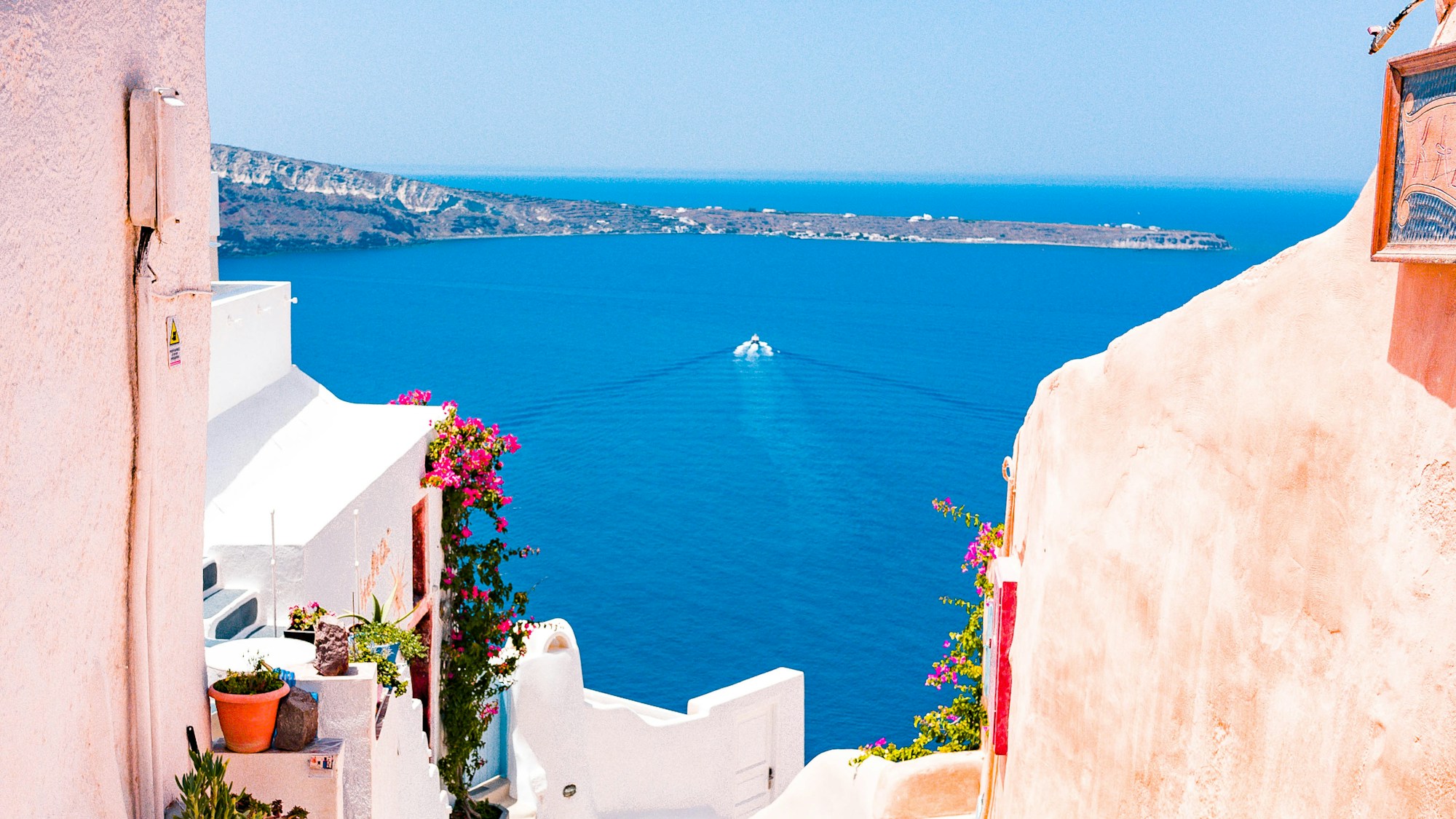
"Athens is one of Europe's best-value capitals. The islands are a different country entirely — beautiful, worth it, and priced accordingly."
Greece in 2026 presents the starkest internal price divide of any country in this guide. Athens, Thessaloniki, and the mainland are genuinely affordable — comparable to Eastern Europe in many respects. The Greek islands, particularly Santorini, Mykonos, and Rhodes in high summer, are priced at Western European levels or beyond.
A one-bedroom apartment in Athens outside the center runs €600–800 per month. In Thessaloniki, you can find the same for €500–650. The contrast with island accommodation is extreme: a one-month rental in Santorini during summer will cost €1,500–2,500 for a basic apartment if you can even find one. Islands make more economic sense as week-long visits, not as month-long bases — unless you're arriving very early in the season (May) or very late (October).
Greek food culture is among the most generous in Europe. A full taverna meal — mezes, a main, house wine, and dessert — runs €15–25 per person. Gyros and souvlaki from street vendors run €2.50–4. Greece also has some of the cheapest domestic wine in Europe: a respectable bottle from the supermarket costs €4–8. Coffee is cheap and taken seriously — a freddo (iced espresso) costs €2–3 and is a summertime staple.
"The single best thing you can do for your Greece budget: go to a different island. Naxos, Milos, and Ikaria cost 40% less than Santorini for the same blue water and white walls."
- Athens over islands as a base: For slow travel, Athens gives you access to multiple islands via ferry while keeping your monthly costs €600–900 lower than island living.
- Ferry vs. plane to islands: Flying to Santorini takes 45 minutes and costs €80–150. The ferry takes 8 hours and costs €35–60 but is an experience in itself. For 2-week trips, the ferry is a no-brainer.
- Shop at the laïki: Greece's weekly street markets (laïki agorá) sell fruit, vegetables, cheese, and seafood at 30–50% below supermarket prices. Every neighborhood has one.
- Avoid the Plaka tourist trap: Athens' historic Plaka district is lovely but its restaurants are tourist-priced. Walk 5 minutes to Monastiraki or Exarchia for the same food at half the price.
- The carafe of house wine: Greek tavernas serve carafes of house wine for €4–8. Ordering wine by the bottle in tourist zones adds a 40–60% premium for minimal quality difference.
Cost of Living in Czech Republic for a Month — 2026 Budget Breakdown

"Prague has gotten more expensive than the guidebooks admit. But it's still one of the best-value capital cities in Europe — if you know where to drink your beer."
The Czech Republic in 2026 sits in an interesting position: no longer the rock-bottom budget destination it was a decade ago, but still comfortably below the costs of Western Europe for most categories. Prague in particular has seen significant price growth in accommodation and tourist-zone food and drink, but local neighborhoods, public transport, and everyday Czech life remain excellent value.
Accommodation in Prague outside the tourist center runs €700–900 for a one-bedroom. In Brno (the Czech Republic's second city and an underrated gem), you'll find good apartments for €500–650. Utilities and internet are efficient and affordable — a full internet package runs around €20/month, which shocks most Western Europeans.
Czech beer is the country's most famous export for good reason — and it's dramatically cheaper in the Czech Republic than anywhere else it's sold. A half-liter of quality Czech lager at a local pub costs €1.50–2.50. In Prague's Old Town tourist bars, that same beer is €5–8. The difference is three minutes of walking. Czech cuisine — svíčková (sirloin in cream sauce), goulash — is hearty and cheap at local restaurants. A full lunch at a Czech hospoda (pub-restaurant) costs €7–12.
- The 3-minute walk rule: Prague's tourist zones (Old Town, Wenceslas Square, Charles Bridge environs) charge 2–3x the local price for food and beer. Walk 5–10 minutes into Žižkov, Vinohrady, or Holešovice for real pricing.
- CZK vs. EUR pricing: Most tourist businesses in Prague display prices in EUR to avoid the mental math. Always pay in CZK — the conversion rate at tourist venues typically adds a 10–15% premium.
- Brno as an alternative base: Czech Republic's second city has an excellent craft beer scene, great nightlife, Masaryk University energy, and apartments €200–300 cheaper per month than Prague.
- PID transit app: Prague's PID app covers metro, tram, bus, and regional trains under one monthly pass (€25). Getting around Prague without a car is easy and cheap.
- Potraviny shops: Small neighborhood grocery stores (potraviny) are scattered everywhere and cheaper than the Billa or Albert supermarket chains for everyday basics.
Cost of Living in Croatia for a Month — 2026 Budget Breakdown
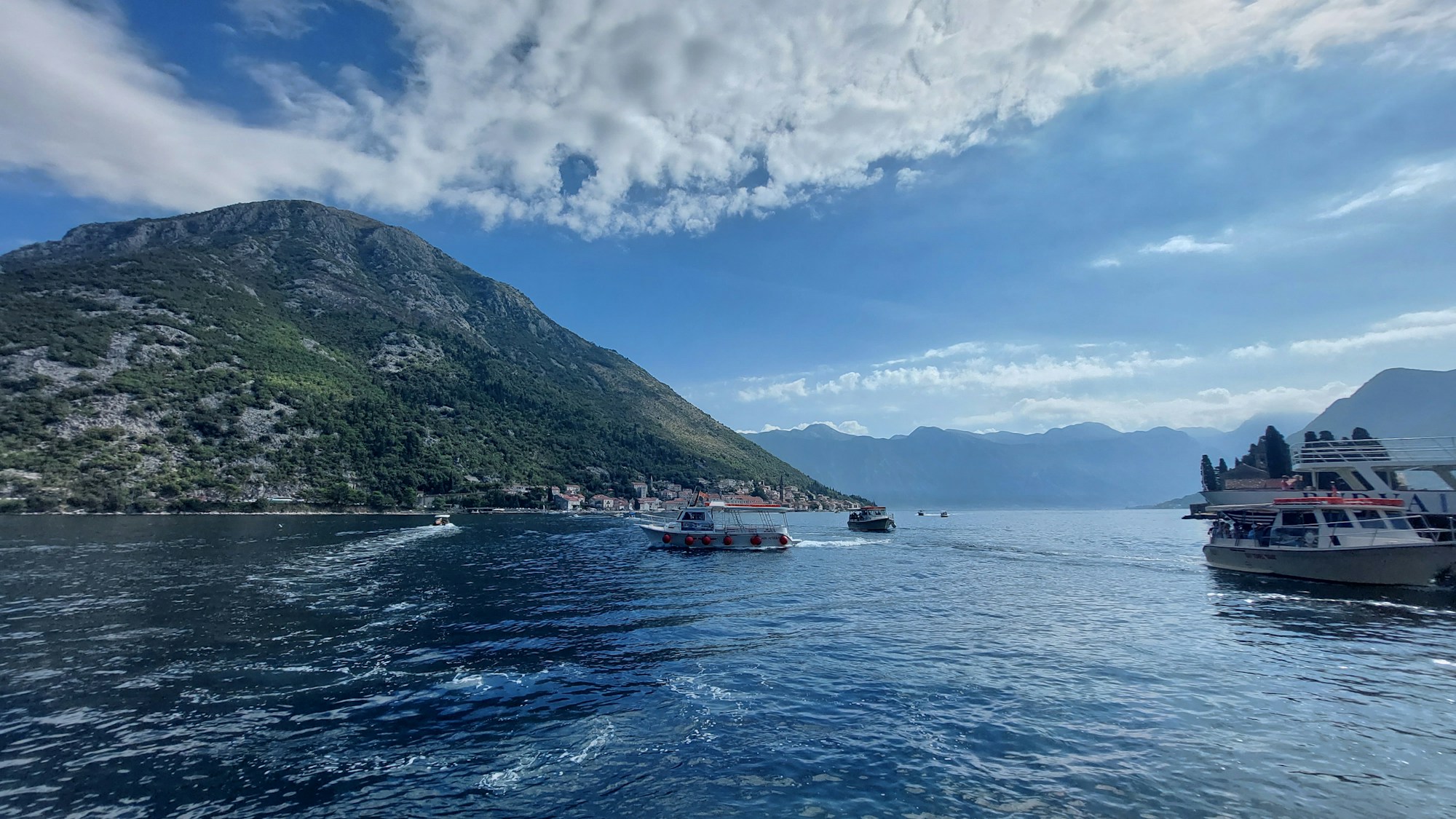
"Croatia has the best scenery-to-cost ratio in Europe. Dubrovnik is the expensive exception. Everywhere else is the pleasant rule."
Croatia's entry into the Eurozone (2023) and the continued Dubrovnik Game of Thrones effect have nudged prices up across the board, but Croatia in 2026 still represents better value than much of Western Europe. The internal geography matters enormously: Dubrovnik is significantly more expensive than Split, which is more expensive than Zagreb, which is considerably more affordable than anywhere on the coast.
For a month-long stay, Split is arguably the best base in Croatia. A one-bedroom apartment runs €650–900 outside the old town. You get beach access, reliable food, the ferry network to the islands (Hvar, Brač, Vis), and a functioning city infrastructure. Zagreb is cheaper still at €550–750 for a one-bedroom — and significantly better for digital nomads, with more co-working spaces, a bigger international community, and faster internet.
Croatian food costs are reasonable in local restaurants but spike sharply in tourist areas. A peka (slow-cooked meat under a bell) at a local konoba runs €12–16 for a full meal. Ćevapi, burek, and grilled fish at local places are €6–14. Fresh Adriatic seafood at tourist-facing restaurants in Dubrovnik or Hvar can easily run €30–50 per person before drinks. The rule in Croatia, as elsewhere: the more tourist footfall, the higher the price premium.
"Nobody who stays a month in Split wishes they'd gone to Dubrovnik instead. The old city walls are beautiful for three hours. Split is beautiful for thirty days."
- Zagreb as a hidden base: Croatia's capital is significantly cheaper than the coast, has excellent food, culture, and parks — and Plitvice Lakes is a 2-hour drive. Underrated for slow travel.
- Ferry passes over point-to-point: If you're island hopping from Split, a multi-journey ferry pass (Jadrolinija) works out 20–30% cheaper than buying individual tickets each time.
- Konoba over tourist restaurant: Traditional konoba (family tavern) meals are priced for locals. The same seafood that costs €35 at a tourist waterfront restaurant is €14–18 in a konoba 3 streets back.
- Croatian wine: Local Croatian varieties — Plavac Mali, Malvazija, Pošip — are extraordinary and cheap from local producers. A bottle at a supermarket runs €5–12. At a waterfront bar, the same bottle is €25+.
- Shoulder season ferry prices: The Jadrolinija ferry to Hvar in September vs. July can vary by 40% in cost. If your dates are flexible, late September Croatia is one of Europe's great travel value windows.