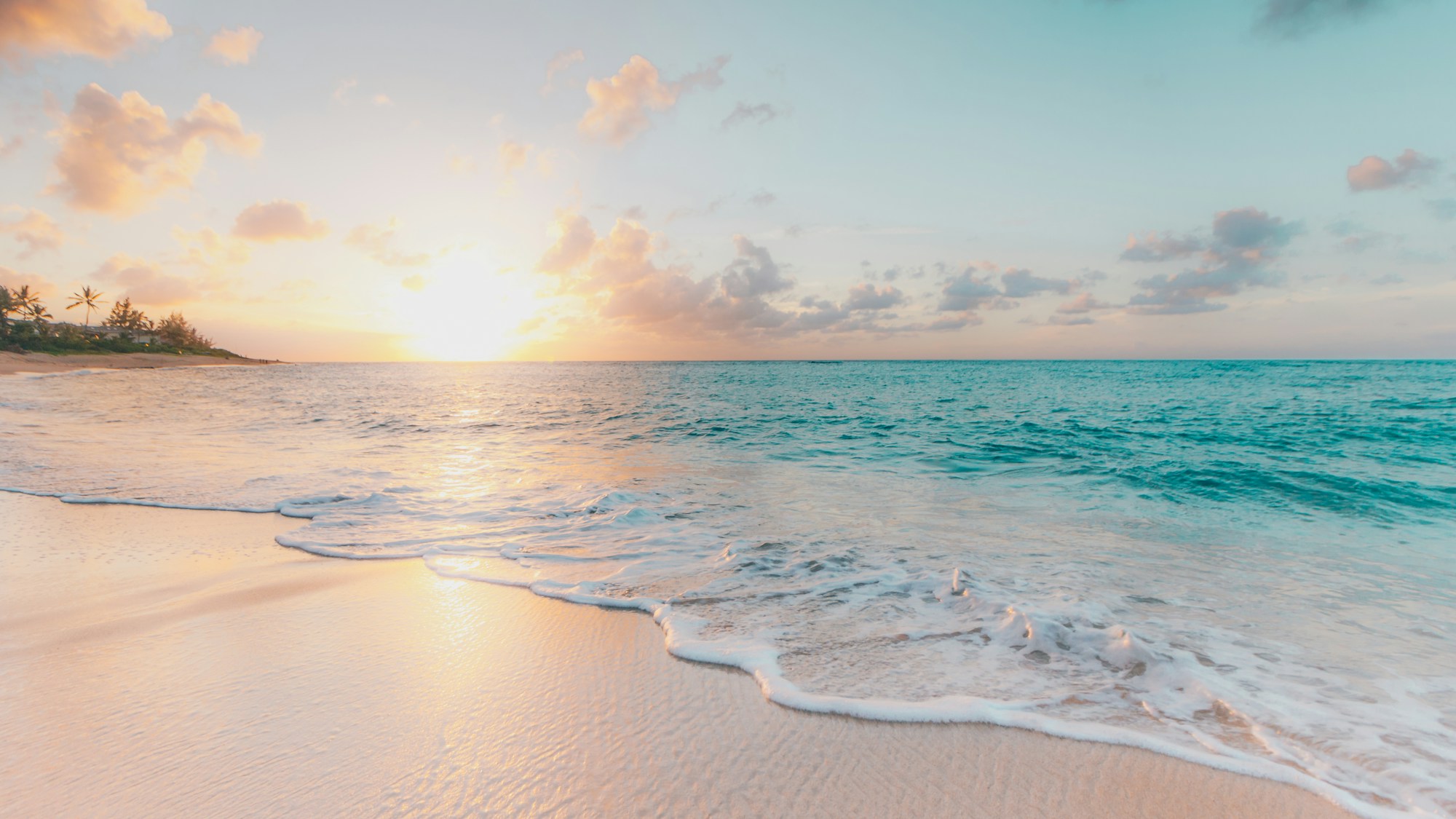
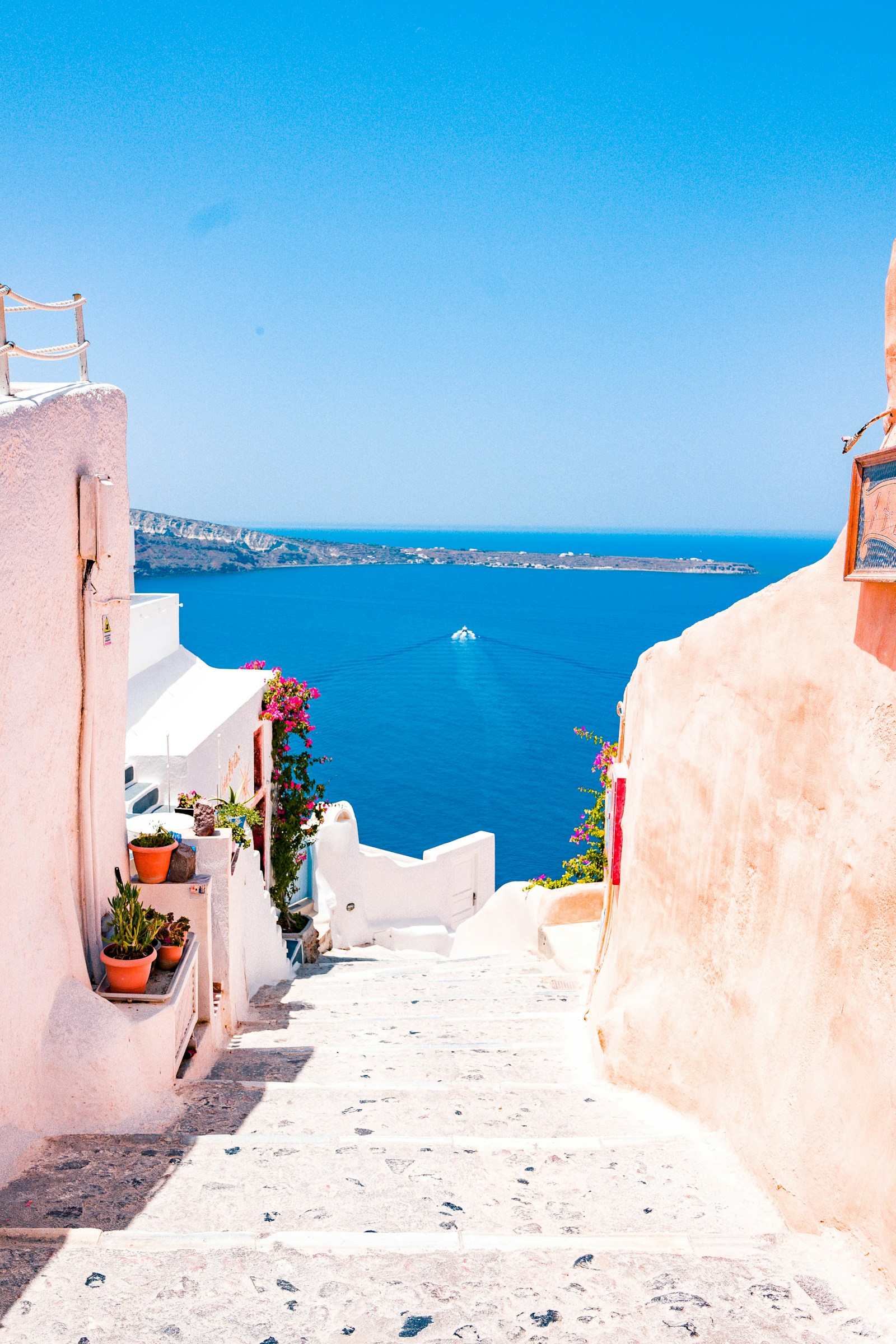
"Santorini's caldera views are spectacular. But so are Portugal's cliff-backed beaches—and they cost 1/4 the price, have 1/10 the crowds, and you won't see a cruise ship on the horizon."
Everyone wants the Santorini dream: white buildings, blue domes, sunset dinners. But in 2026, that dream costs €400/night for basic accommodation, €80 for dinner with a view, and requires battling 10,000 cruise passengers disembarking daily. The alternative? Portugal's Costa Vicentina, where dramatic golden cliffs meet the Atlantic, fishing villages serve €12 grilled fish, and your hotel costs €70.
We've spent two weeks road-tripping Portugal's southwest coast, comparing it directly to our Santorini and Milos experiences. The scenery rivals Greece; the prices belong to a different decade entirely.

Portugal vs Santorini: The Real Comparison
What you get (and don't get) with Portugal's coast
Let's be honest about what Portugal offers versus the Greek islands:
What Portugal lacks: The iconic blue domes and whitewashed villages. The volcanic caldera drama. The "I've been to Santorini" social currency.
What Portugal offers instead: Dramatic golden cliffs that match Santorini's caldera views. Empty beaches you reach by hiking trails. Surf culture and fresh seafood. Fishing villages where locals outnumber tourists. The ability to stay two weeks for the price of five days in Greece.
Costa Vicentina: Portugal's Hidden Coast
The wildest, least-developed shoreline in Western Europe
The Costa Vicentina Natural Park stretches 110km along Portugal's southwest coast—a protected zone where high-rise development is banned, access requires hiking or rough roads, and beaches remain genuinely wild. This is where you find the dramatic scenery without the crowds.

- Access: 15-minute hike from parking, or drive rough dirt road (not for low cars)
- The beach: 3km of golden sand backed by orange-tinged cliffs, zero facilities, often completely empty
- Nearby: Vila Nova de Milfontes (15 min drive) for restaurants and accommodation
- Best for: Sunrise photography, solo travelers seeking isolation, naturist-friendly sections
- Access: Steep cliff path—challenging descent, serious cardio on return
- The beach: Sheltered cove with dramatic arch rock formation, strong waves, no lifeguards
- Nearby: Zambujeira do Mar village (clifftop, 5 min walk) for fresh fish restaurants
- Best for: Dramatic scenery, experienced swimmers, sunset picnics
- Access: Easy 10-minute walk from Odeceixe village, or drive to cliff-top parking
- The beach: River meets sea, creating a shallow lagoon perfect for families
- Nearby: Odeceixe village (surf town vibe, good restaurants, accommodation)
- Best for: Families with kids, beginner surfers, river swimming
- Access: Drive to lighthouse, walk coastal trail
- The spot: Not a swimming beach—clifftop viewpoint with storks nesting on sea cliffs (unique in Europe)
- Nearby: Almograve village (20 min), Vila Nova de Milfontes (30 min)
- Best for: Wildlife photography, sunset viewing, hiking the Fishermen's Trail
Where to stay: Vila Nova de Milfontes is the perfect base—small town on the estuary, excellent restaurants, accommodation €60-90/night. Alternative: Odeceixe for surf culture, or inland Alentejo farm stays (quintas) for €80-120 including breakfast.
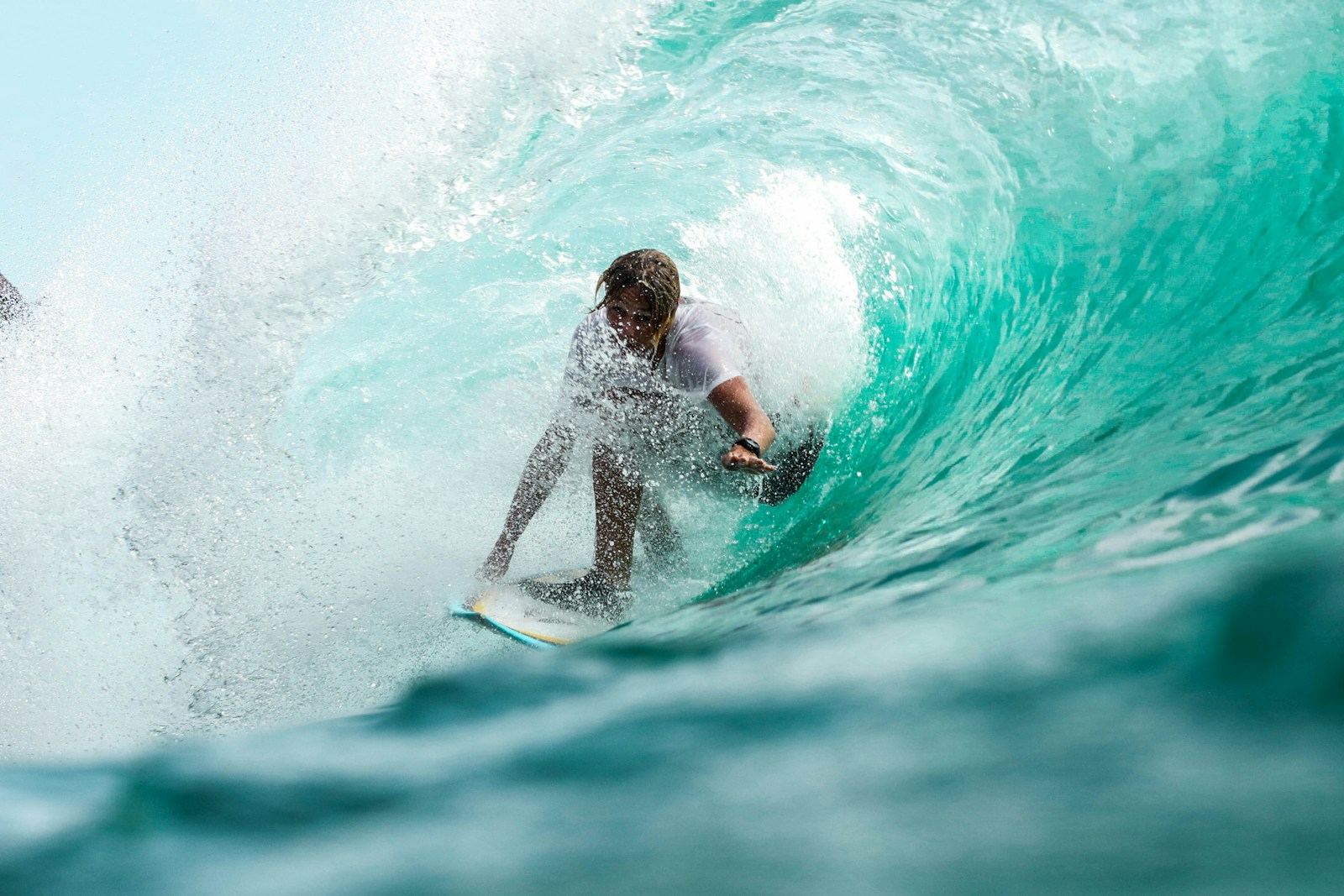
Beyond Benagil: The Algarve's Secret Side
Skip the famous caves and discover empty coves
The Algarve is Portugal's most famous beach destination—and Benagil's sea cave is its most photographed spot. Which means in summer, you queue 45 minutes to paddle into a cave with 200 other kayaks. Skip it. The Algarve has 150km of coastline; these are the beaches where you'll have space to breathe:
- Access: Dirt road from Vila do Bispo, then cliff stairs
- The beach: Vast sandy beach with dramatic rock formations, popular with surfers, few facilities
- Why go: The scale—feels wild and empty even in August
- Nearby: Salema (fishing village, 10 min) for accommodation and restaurants
- Access: Dirt track near Tavira, almost no signage
- The beach: Shallow lagoon, warm water (by Atlantic standards), backed by dunes
- Why go: Near-deserted even in peak season; naturist-friendly; birdwatching in Ria Formosa
- Nearby: Tavira (charming town, 20 min) or Cabanas (quieter, 15 min)
- Access: Ferry from Olhão (€5 return, 15 minutes)
- The beach: No cars allowed on island, white sand, calm lagoon water
- Why go: Car-free island living, stay overnight in simple houses (€60-80/night), escape everything
- Nearby: Olhão (authentic fishing town, great markets) or Faro (airport, 20 min)
Algarve warning: The central Algarve (Albufeira, Lagos central, Praia da Rocha) is overrun with British package tourism in July-August. Avoid unless you want nightlife and English breakfasts. The west (Sagres, Salema) and east (Tavira, Cabanas) remain Portuguese and affordable.

7-Day Portugal Coast Road Trip Itinerary
Lisbon to Faro via the dramatic southwest coast
This route follows Portugal's most scenic coastal road (N120) through the Costa Vicentina, then cuts inland through cork forests and wine country before hitting the quieter eastern Algarve beaches.

- Morning: Pick up rental car at Lisbon airport
- En route: Stop at Azeitão for wine tasting at José Maria da Fonseca
- Arrive: Vila Nova de Milfontes, check into guesthouse (€70-90)
- Evening: Dinner at Tasca do Celso (grilled fish, €15-20)
- Day 2: Morning at Praia do Malhão, afternoon hiking Fishermen's Trail (Rota Vicentina)
- Day 3: Drive to Odeceixe, spend day at river-meets-sea beach, dinner in Odeceixe village
- Evening activity: Sunset at Cabo Sardão lighthouse
- En route: Stop at Zambujeira do Mar for cliff beach and lunch
- Arrive: Sagres (surf town, southwesternmost point of Europe)
- Stay: Simple surf lodges (€60-80) or boutique guesthouses (€100-130)
- Evening: Sunset at Cape St. Vincent lighthouse
- Morning: Beach time at Praia da Cordoama or surf lesson in Sagres
- En route: Skip Lagos central, drive to Salema for lunch (authentic fishing village)
- Continue: Through inland Algarve ( cork forests, quieter)
- Arrive: Tavira (charming town on Gilão River)
- Day 6: Morning at Praia do Barranco (deserted beach), afternoon exploring Tavira town, ferry to Ilha de Armona for beach time
- Day 7: Final beach morning, lunch in Olhão (famous seafood market), drive to Faro airport (20 min) for departure
Rental car tip: Book a compact car with decent clearance—the dirt roads to best beaches are rough. Automatic transmission recommended for steep cliff roads. Fuel costs are low; the entire loop uses €40-50 in petrol.
Complete Cost Breakdown
Real prices for a week on Portugal's coast
*Flight costs vary dramatically by origin. London-Lisbon can be €50 return; US East Coast typically €400-600.
"The difference isn't just money—it's mindset. In Portugal, you're not a tourist extracting a view for Instagram. You're a traveler in a working coastline where fishermen still mend nets and the restaurant owner remembers your name."
Portugal Coast Travel Tips
What we learned from two weeks on the southwest coast
- Best: May-June and September. 22-26°C, sunny, warm water, 50% fewer tourists
- Avoid: July 15-August 20. Crowded, hot (30°C+), fully booked accommodation
- Shoulder shoulder: April and October. Swimming may be brisk (17-19°C water) but hiking and sightseeing perfect
- Winter: Dramatic storms, many restaurants closed, not a beach destination
- June: 18-20°C (refreshing, brief swims)
- August: 20-22°C (comfortable for longer swims)
- September: 20-21°C (peak swimming month—warmest, least crowded)
- Context: Mediterranean is 24-26°C. Atlantic is colder but cleaner and less crowded.
- Fresh fish rule: If the restaurant has fishing boats out front, order the catch of the day ("peixe do dia")
- Cataplana: Algarve seafood stew, €12-18, feeds two
- Lunch deals: "Menu do dia" (daily menu) 12-3pm, €8-12 for 3 courses
- Picnic strategy: Supermarkets (Pingo Doce, Intermarché) in every town. Buy bread, cheese, fruit for beach lunches
Safety note: Atlantic waves are more powerful than Mediterranean. Many Costa Vicentina beaches have no lifeguards and rip currents. If red flags are flying, don't swim—locals drown every year underestimating these beaches.
Frequently Asked Questions
Quick answers about Portugal's coast
Is Portugal cheaper than Greece for beach vacations?
Yes, significantly. Portugal accommodation averages 40-60% less than comparable Greek islands. A private room in Portugal's Alentejo coast costs €60-90/night vs €200-400 in Santorini. Restaurant meals are 30% cheaper, and car rental costs 20-30% less. A week in Portugal costs €600-900 vs €1,500-2,500 for Santorini.
What is the best time to visit Portugal beaches?
May-June and September-October offer ideal conditions: 22-26°C, sunny skies, warm water (18-20°C), and 50% fewer tourists than July-August. July-August brings 28-32°C heat and crowds; avoid if possible. March-April and November are too cold for swimming but perfect for coastal hiking.
Which Portuguese beaches are best for avoiding crowds?
Skip the Algarve's famous Praia da Marinha and Benagil in July-August—they're overrun. Instead, head to Costa Vicentina (Alentejo): Praia do Malhão, Praia da Zambujeira, Praia de Odeceixe. These wild beaches require hiking access, have no facilities, and remain empty even in peak season.
Do you need a car in Portugal to reach hidden beaches?
Yes. Portugal's best beaches lack public transport. Rent a car at Lisbon or Faro airport (€25-40/day in shoulder season). The coastal roads (N120 in Alentejo, N125 in Algarve) are scenic and well-maintained. Parking at beaches is typically free and plentiful outside major resorts.
How does Portugal's coast compare to Santorini?
Portugal's Costa Vicentina matches Santorini's dramatic cliff-meets-sea scenery with golden sand instead of black volcanic beaches. The cliff formations at Cabo Sardão and Arrifana are equally photogenic. What Portugal lacks is Santorini's whitewashed villages—instead you get authentic fishing towns, surf culture, and prices that let you stay twice as long.