In This Guide
Marseille & the Calanques
France's oldest city and its most spectacular coastline
Marseille is France's most misunderstood city. For decades, guidebooks warned visitors away with tales of crime and grime. But in 2026, France's second-largest metropolis has completed its transformation into one of Europe's most exciting destinations—a sun-drenched port city where North African markets meet French sophistication, where the oldest neighborhood in France buzzes with street art and innovative restaurants, and where the sea sparkles with a clarity that rivals the Mediterranean's finest.
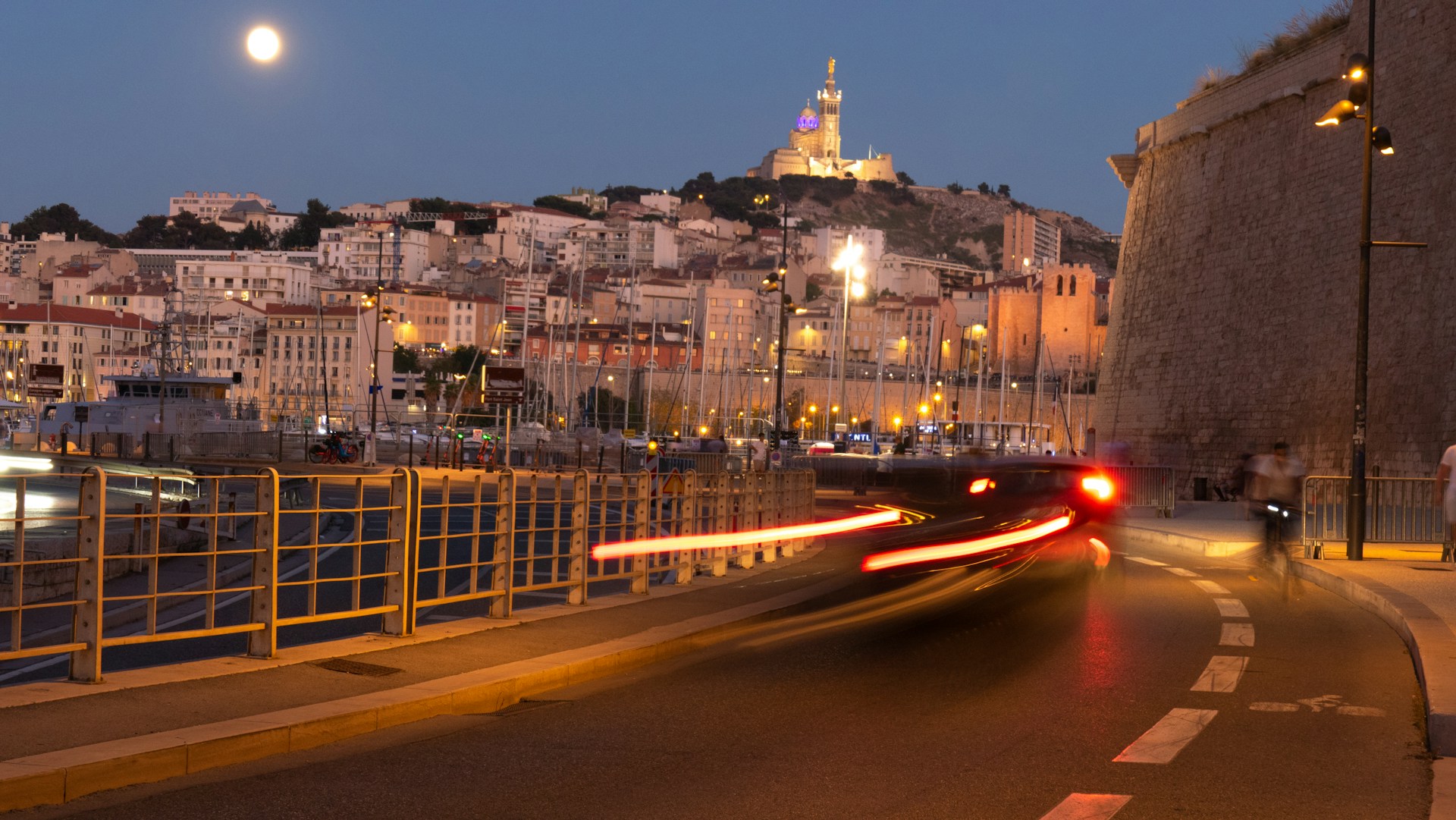
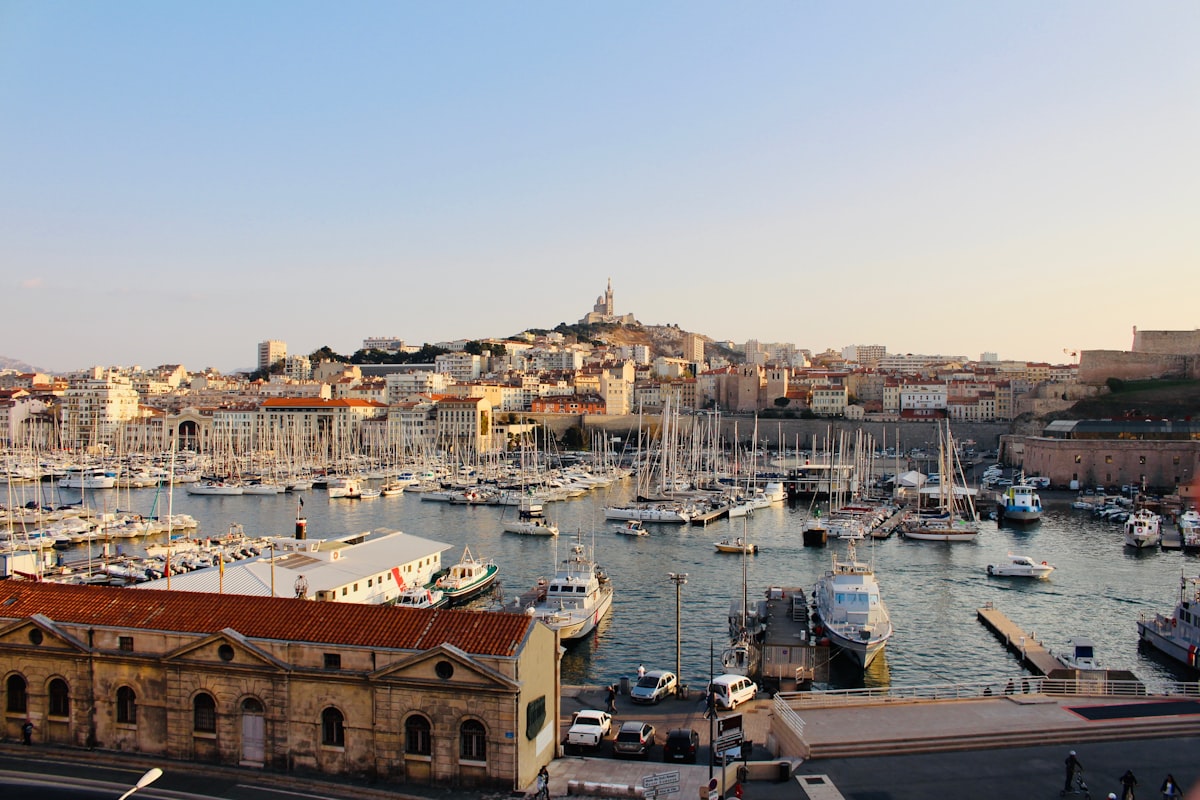
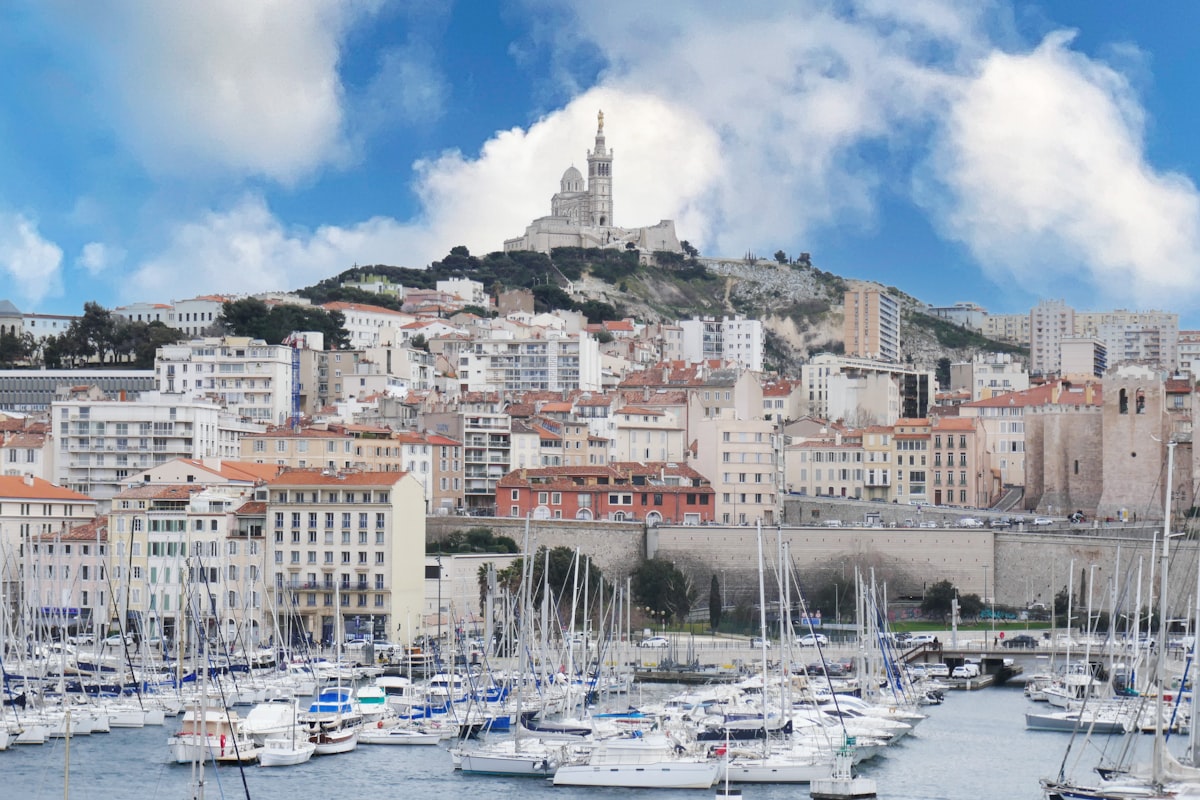
The city's renaissance centers on the Vieux-Port (Old Port), where fishing boats still unload their catch beside yachts and the modernist MuCEM museum—a filigree cube of concrete lace that has become an architectural icon. From here, the city fans upward into hills covered with 19th-century mansions and colorful working-class neighborhoods. Le Panier, the oldest quarter, is now a maze of street art, boutiques, and cafés occupying buildings that date to the 16th century. The Cours Julien district pulses with nightlife and creativity, while the seafront Corniche offers postcard views at every turn.
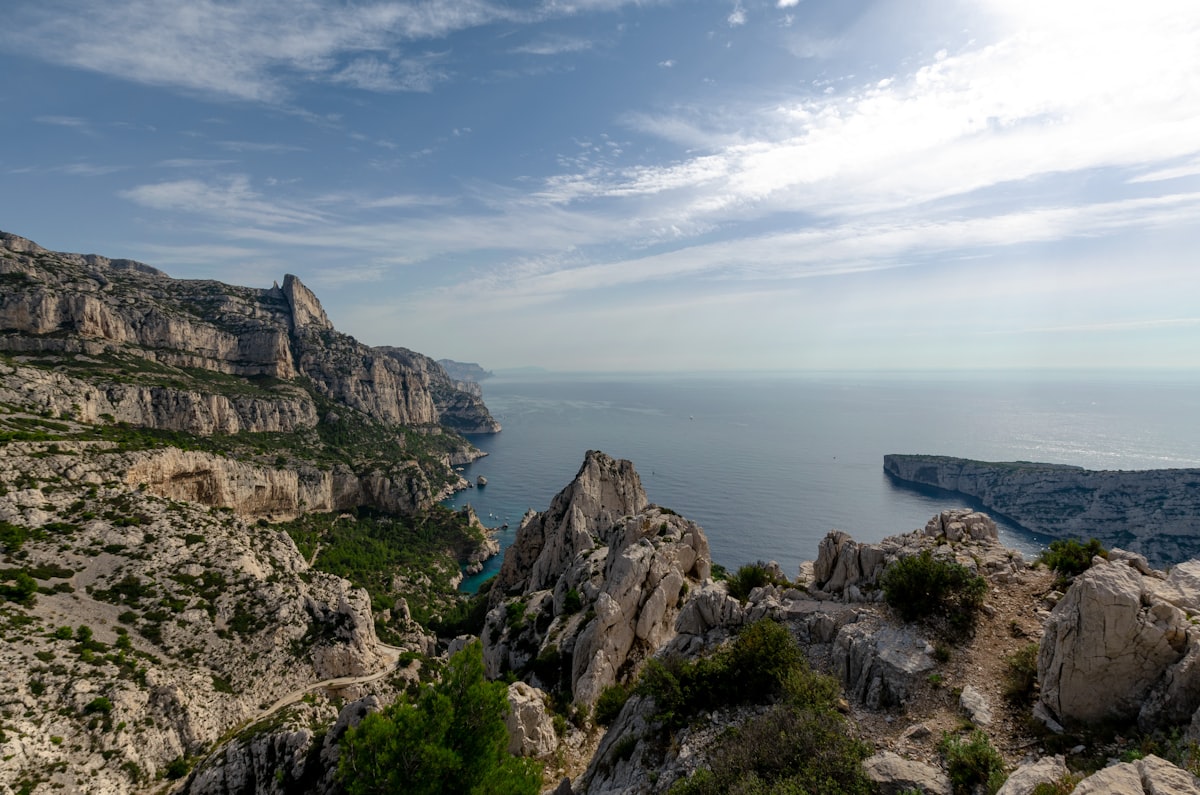
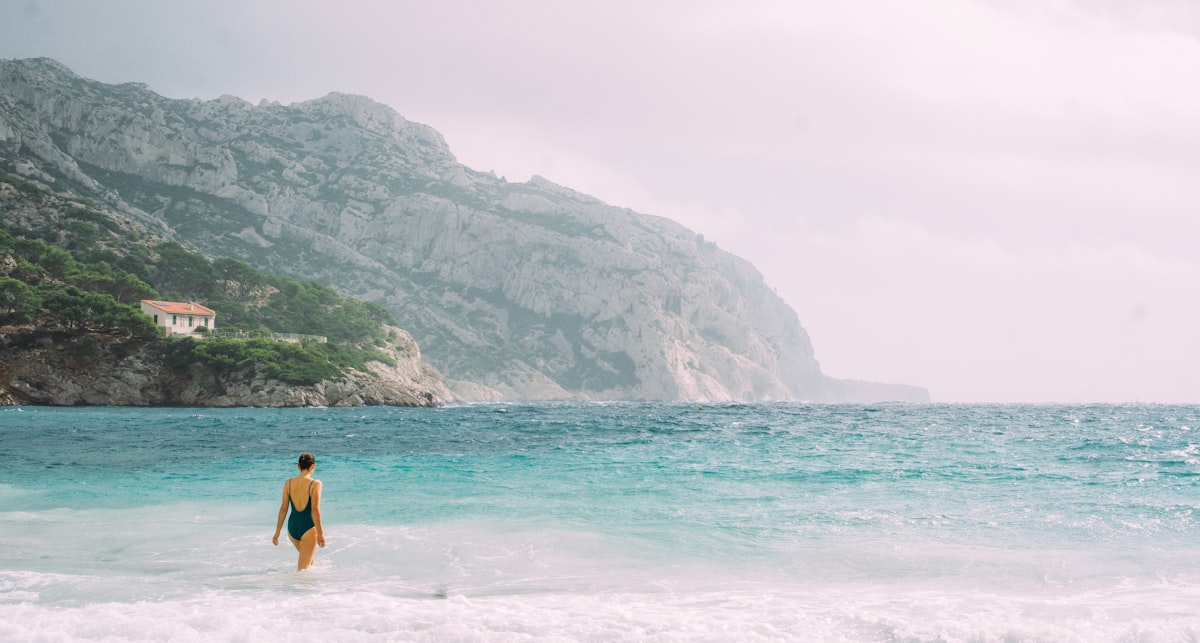
But Marseille's greatest treasure lies just beyond the city limits. The Calanques National Park protects 20km of coastline where limestone cliffs plunge into turquoise waters, creating fjord-like inlets accessible only by boat or foot. These calanques—Sormiou, Morgiou, Sugiton, and the others—offer some of Europe's most spectacular coastal scenery. The water here achieves that impossible azure normally associated with the Greek islands or Sardinia, yet it's just minutes from a major city. You can have breakfast at a Vieux-Port café, hike to a calanque cove by mid-morning, and swim in crystalline water before lunch.
July brings peak summer: the sea is warm (23-25°C), the lavender and wild herbs of the surrounding hills are fragrant, and the city celebrates with festivals and late-night dining. It's hot—30-35°C is normal—but the sea breeze (the Mistral) provides relief, and the pace of life slows to accommodate the heat. This is when Marseille is most itself: confident, sun-drenched, and utterly compelling.
Disclosure: Tour links are affiliate links. We earn a small commission at no extra cost to you.
Disclosure: These are affiliate links. We earn a small commission at no extra cost to you.
Disclosure: Some links are affiliate links. We earn a small commission at no extra cost to you.
Getting There & Around
Flights, trains, and the art of Marseille navigation
By Air: Marseille Provence Airport (MRS) is 27km northwest of the city, served by direct flights from London (2 hours), Paris (1h15), Amsterdam (2 hours), and major European hubs. It's a modern, efficient airport with excellent connections. The navette (shuttle bus) runs every 15-20 minutes to Saint-Charles train station (€10, 30 minutes), from where the metro serves the entire city. Taxis cost €50-60 to the center; Uber is cheaper and reliable. July flights should be booked 6-8 weeks ahead for decent fares.
By Train: The TGV from Paris Gare de Lyon reaches Marseille Saint-Charles in 3 hours 10 minutes (from €35 if booked well ahead). The station itself is spectacular—a Belle Époque palace perched on a hill with a monumental staircase descending toward the city. Direct trains also connect to Lyon (1h40), Nice (2h30), and Barcelona (4h30). Train travel is ideal for Marseille—the station is central, and you'll arrive relaxed rather than dealing with airport transfers.
Metro, Bus & Tram: Marseille's public transport is efficient and affordable. The metro has 2 lines covering the main axes; the tram network connects the center to outlying areas. A single ticket costs €1.80; a 24-hour pass is €5.40. The metro is spotless and safe—contrary to outdated guidebooks. For the Calanques, take bus 21 from Castellane metro to the trailheads at Col des Gardiole or Luminy (€1.80, 30 minutes). The boats to the calanques depart from the Vieux-Port—no need for car rental if you're staying central.
Car Rental: You don't need a car for central Marseille, but it helps for day trips to Aix-en-Provence, Cassis, or the Luberon. All major agencies operate at the airport and Saint-Charles station. Expect €40-60/day for a compact car. Parking in Marseille is challenging and expensive in the center—hotels often charge €15-25/night. If staying more than a few days, consider renting only for specific excursions rather than your entire stay. July is peak season; book ahead.
Where to Stay
Neighborhoods, views, and real 2026 pricing
Vieux-Port (Old Port): The heart of Marseille. According to 2026 Serper data, Marseille offers 4,228 hotels with prices from $45-71/night (momondo/Expedia). The average hotel price is $130, but deals from $59 are available on TripAdvisor. Mama Shelter Marseille offers stylish rooms with rooftop bar and cinema (€120-160/night). For harbor views, Hôtel La Résidence du Vieux-Port occupies a historic building (€180-250). Last-minute hotel deals from $48 available via HotelTonight.
Le Panier: The oldest neighborhood (2,600 years). Le Petit Nice Passedat is the luxury choice—a Relais & Châteaux property with three-Michelin-star restaurant (€400-600/night). More accessible is La Maison de l'Abbaye, a charming guesthouse in a converted convent (€110-150). Budget hotels in Marseille average $73-89/night for 1-2 star properties according to 2026 data.
Cours Julien & La Plaine: For nightlife and younger vibes. Hôtel C2 is a design-forward property with spa and pool (€200-280). For budget travelers, Auberge de Jeunesse Bonneveine is clean and near Prado beaches (€25-35 dorms, €70-90 privates).
Prado & the Beaches: Quieter, more spacious, and significantly cheaper. Hôtel Les Cigales is a classic option near Prado beaches (€90-120). This area is ideal if spending multiple days at the calanques.
Daily Costs
What you'll actually spend in France's oldest city
Budget Explorer: €65-90/day. Stay at the youth hostel or a budget hotel in the Prado area (€70-90/night), eat pastries and sandwiches from bakeries (€12-15/day), use public transport (€5.40/day pass), and enjoy free attractions—Le Panier, the Vieux-Port, beaches, and hiking the calanques cost nothing. The MuCEM museum is free on the first Sunday of each month. Marseille is one of France's most affordable major cities. Total: €455-630/week.
Mid-Range Comfort: €150-200/day. Hôtel in Vieux-Port or Cours Julien (€130-170/night), métro day passes, restaurant lunch (€18), nice dinner with wine (€35-45), boat trip to the calanques (€25), museum entries (€10), and miscellany. This tier lets you enjoy the full Marseille experience—harborfront dining, comfortable accommodation, and excursions without counting every cent. Marseille is noticeably cheaper than Nice, Cannes, or Paris. Total: €1,050-1,400/week.
Luxury Experience: €350-500/day. Stay at Le Petit Nice Passedat or the InterContinental (€350-500/night with Vieux-Port views). Private boat charter to the calanques (€400-600/day). Dinner at three-Michelin-starred AM par Alexandre Mazzia (€150-200 per person). Helicopter tour over the calanques and coastline (€180/person). Spa treatments at Thermes Marins de Marseille. July is peak season, but Marseille's luxury options remain more affordable than comparable Riviera properties. Total: €2,450-3,500/week.
Saving Money in Marseille: The city is already one of France's best value destinations, but you can optimize further. The Marseille City Pass (€27-35 for 24-48 hours) includes public transport, museum entries, and a boat trip to the calanques—easily pays for itself. Eat lunch at the Noailles market area—North African and Lebanese cafés serve enormous sandwiches for €5-8. Many restaurants offer formules (set menus) at lunch for €15-20 that would cost €30+ at dinner. The calanques are free to hike; only the boat trips cost money. July is peak pricing, but still reasonable compared to the Riviera.
Top Things to Do
From ancient streets to crystalline coves
The Calanques by Boat: The most accessible way to experience the Calanques National Park is by boat from the Vieux-Port. Operators offer half-day trips (€25-35) that visit multiple calanques—Sormiou, Morgiou, and the spectacular Sugiton. From the water, you appreciate the full drama of the limestone cliffs rising directly from the azure sea. Most boats allow swimming stops; bring snorkel gear to see fish in the clear water. For a more exclusive experience, rent a private boat with skipper (€400-600/day) to access smaller coves the tourist boats skip. July mornings offer the calmest seas.
Hiking the Calanques: For the adventurous, hiking provides a more intimate calanques experience. The trail from Luminy (bus 21 terminus) to the Calanque de Sugiton takes 45 minutes and offers spectacular views before descending to the cove. The water here is the park's most beautiful—bring snorkel gear and a picnic. Note: In summer, access is limited to 400 people per day at Sugiton—reserve online in advance (free, but mandatory). The longer hike from Cassis to Marseille via the GR98 takes 6-7 hours and passes through multiple calanques—arrange a taxi or bus back from your endpoint.
Le Panier District: Marseille's oldest neighborhood, settled by the Greeks in 600 BC, is now a vibrant maze of narrow streets, staircases, and hidden squares. Start at the Vieille Charité—a Baroque almshouse now housing museums and cafés—and wander upward through streets lined with street art, ateliers, and boutiques selling local ceramics and textiles. The area around Rue du Panier and Place de Lenche has excellent restaurants and the famous soap shops (savon de Marseille) that have been operating for centuries. It's steep walking, but every corner reveals another Instagram-worthy scene.
MuCEM & Fort Saint-Jean: The Museum of European and Mediterranean Civilizations (MuCEM) is Marseille's architectural showpiece—a cube of concrete lace designed by Rudy Ricciotti that appears to float on the water beside Fort Saint-Jean. The exhibitions explore Mediterranean history and culture, but even if you don't enter (€11), the exterior walkways and rooftop offer spectacular views across the Vieux-Port. The adjacent Fort Saint-Jean, built by Louis XIV, has gardens and ramparts free to explore. The high footbridge connecting the fort to the Old Town provides the classic Marseille photo—harbor, fort, and sea framed in concrete.
Marché Noailles: This covered market in the multicultural Canebière district is Marseille's sensory heart. North African spices, Turkish sweets, Corsican charcuterie, and Provençal produce create a tapestry of colors and scents. It's chaotic, noisy, and utterly authentic—vendors call out in multiple languages, scooters weave between shoppers, and the smell of roasting chicken and cumin fills the air. Come hungry; the surrounding streets have some of Marseille's best cheap eats—Lebanese falafel, Tunisian fricassée sandwiches, and North African pastries. Open daily until 1pm (earlier on Sundays).
Food Scene
From bouillabaisse to North African spices
Marseille's cuisine reflects its position as a Mediterranean crossroads. This is the home of bouillabaisse—the legendary fish stew that elevated poor fishermen's catch to haute cuisine. But it's also a city where North African, Italian, and Provençal influences merge, creating one of France's most exciting food scenes. The Vieux-Port fish market supplies restaurants with the morning's catch, while the Noailles district brings spices and flavors from across the Mediterranean. July's heat drives dining toward lighter preparations—grilled fish, salads, and rosé wine served on terraces late into the evening.
Must-Try Dishes: Bouillabaisse—the traditional fish stew with saffron, fennel, and rouille (garlic-chili mayonnaise). Authentic versions require 24-hour advance booking and start at €60 per person. Navettes—orange-blossom biscuits from the 18th century, still made by hand at Four des Navettes. Chichi frégis—fried dough with sugar, a guilty pleasure from North African vendors. Pizza—Marseille has exceptional pizza, the legacy of Italian immigrants, with thin crusts and quality toppings. And pastis—the aniseed aperitif invented here in 1932, essential pre-dinner drinking.
Where to Eat: For bouillabaisse, Chez Fonfon in the Vallon des Auffes—a tiny fishing port hidden below the Corniche—is the classic choice (€65-80 for the full experience). For modern Marseille cuisine, AM par Alexandre Mazzia holds three Michelin stars and serves inventive dishes that honor the city's multicultural roots (€150-200 for the tasting menu). For something more casual, La Boîte à Sardine serves excellent grilled fish and local wines at communal tables (€25-35). The North African restaurants around Noailles offer incredible value—try Le Souk for tagines and couscous (€12-18).
Aperitif Culture: The evening ritual of l'apéro is sacred in Marseille. Join locals at a Vieux-Port café for pastis (diluted with water from the fountain, turning cloudy) or a glass of local rosé as the sun sets. Le Bar de la Marine—immortalized in Marcel Pagnol's films—is touristy but atmospheric. La Caravelle on the same waterfront has better drinks and a more local crowd. Or head to Les Halles de la Major, a covered market hall with multiple food stalls and bars, for a moveable feast of tapas-style grazing.
Day Trips
Provence, the coast, and wine country
Cassis: Just 30 minutes by train or car, this fishing village at the foot of Cap Canaille is the gateway to the most dramatic Calanques. The port is lined with seafood restaurants and boat tour operators; the cliffs behind the town offer spectacular views. Take a boat trip into the Calanques de Cassis (€20-30, 45-90 minutes) to see white limestone cliffs plunging into turquoise water—these are narrower and more fjord-like than the Marseille calanques. Afterward, hike the 45-minute trail to the beach at En-Vau, or simply enjoy rosé and fresh sea urchins at a port-side café. Cassis is smaller and more charming than Marseille's urban bustle.
Aix-en-Provence: 35 minutes by bus or train, this elegant university city was Cézanne's home and remains an artistic hub. The Cours Mirabeau—a wide boulevard lined with plane trees and fountains—connects the medieval old town to the modern center. Visit Cézanne's studio (Atelier Cézanne, €6.50), preserved exactly as he left it in 1906. The Saturday market is one of France's best, filling the entire old town with stalls. Aix has a sophisticated café culture and excellent shopping—it's the perfect contrast to Marseille's gritty energy. Combine with a drive to nearby Cézanne's favorite painting subject, Montagne Sainte-Victoire.
The Luberon & Lavender: 90 minutes north lies the Luberon Regional Park, where hilltop villages (Gordes, Roussillon, Bonnieux) perch above valleys famous for July lavender. The Sénanque Abbey, framed by rows of purple lavender, is the iconic Provence image. Visit in late June or early July for peak bloom. The drive from Marseille via Aix and the D6 road is spectacular—plan a full day to explore multiple villages, have lunch with a view, and take the famous lavender photos. July weekends are crowded; weekday visits offer a more peaceful experience.
Practical Tips
Staying safe, cool, and culturally aware
Safety: Marseille's reputation for crime is outdated in most tourist areas. The Vieux-Port, Le Panier, Cours Julien, and the Prado are safe and well-patrolled. Exercise normal caution in Noailles at night—it's not dangerous, but pickpocketing can occur in crowds. Avoid the northern suburbs (which tourists rarely visit). The biggest risk is actually traffic—Marseille drivers are famously aggressive, and scooters weave through pedestrian areas. Stay alert when crossing streets.
Beat the Heat: July temperatures regularly hit 30-35°C. Plan outdoor activities (calanques hiking, walking tours) for morning or late afternoon. Museums and indoor attractions are perfect midday escapes—the MuCEM has excellent air conditioning. The Mistral wind brings relief when it blows, but can be surprisingly strong. Carry water constantly; dehydration happens fast in the Mediterranean sun. Many restaurants close between lunch and dinner service (2pm-7pm), so plan accordingly.
Beach Strategy: The closest sandy beaches to the center are at the Prado (metro line 2, Rond-Point du Prado). They're decent but can be crowded. For better beaches, take bus 19 to Les Goudes—a tiny fishing village beyond the calanques with clear water and a relaxed atmosphere. Or take the train to Cassis (30 minutes) for a more refined beach town experience. The calanques themselves have small pebble beaches—bring beach shoes, as the stones are hard on feet.
Cultural Etiquette: Marseille has a strong identity and can feel different from the rest of France. Locals are direct—don't mistake bluntness for rudeness. The North African community is significant and integral to the city's culture; respect religious customs during Ramadan if visiting then. Tipping is not obligatory—a few coins or rounding up is sufficient. Service can be slow by American standards; this is part of the Mediterranean pace, not poor service. Learn a few French phrases; effort is appreciated even if replies come in English.
Frequently Asked Questions
When is the best time to visit Marseille?
+July and August offer the warmest weather (25-30°C) and calm seas for Calanques boat trips, but also the biggest crowds. September is ideal—warm water, fewer tourists, and accommodation costs drop 30-40%. October-November brings mild weather but some rain. Spring (April-June) is pleasant for city exploring before beach season starts.
How many days do I need in Marseille?
+Three days is the sweet spot: Day 1 for the Old Port, Le Panier, and MuCEM; Day 2 for Calanques National Park (by boat or hiking); Day 3 for a day trip to Cassis or Aix-en-Provence. With two days, prioritize the Calanques and the city center. You could spend a week here using Marseille as a base for Provence exploration.
Is Marseille expensive compared to other French cities?
+Marseille is noticeably cheaper than Nice, Paris, or Cannes. Mid-range hotels average €80-120/night versus €150+ on the Riviera. Dining out is affordable—expect €12-18 for lunch, €25-40 for dinner at good restaurants. The main expense is Calanques boat trips (€25-35), but hiking in is free. Overall, budget 15-20% less than Nice.
Do I need to book Calanques boat trips in advance?
+In July and August, absolutely—popular morning slots sell out days ahead. Book online with operators like Cassis Calanques or Le Sentier du Sud. For the free hiking access to Calanques coves like Sugiton, reservations are mandatory in summer (limited to 400 people/day). Book at least a week ahead for weekends.
What is the best way to get around Marseille?
+The metro and tram system is efficient for the city center and reaches most attractions. A single ticket costs €1.80; day pass is €5.40. For the Calanques, take bus 21 from Castellane metro to trailheads. Taxis are reasonable but Uber works better. Walking is best for Le Panier and the Old Port area—the city is more compact than it appears.