In This Guide
The Isle of Beauty
Why Corsica captivates like nowhere else in the Mediterranean
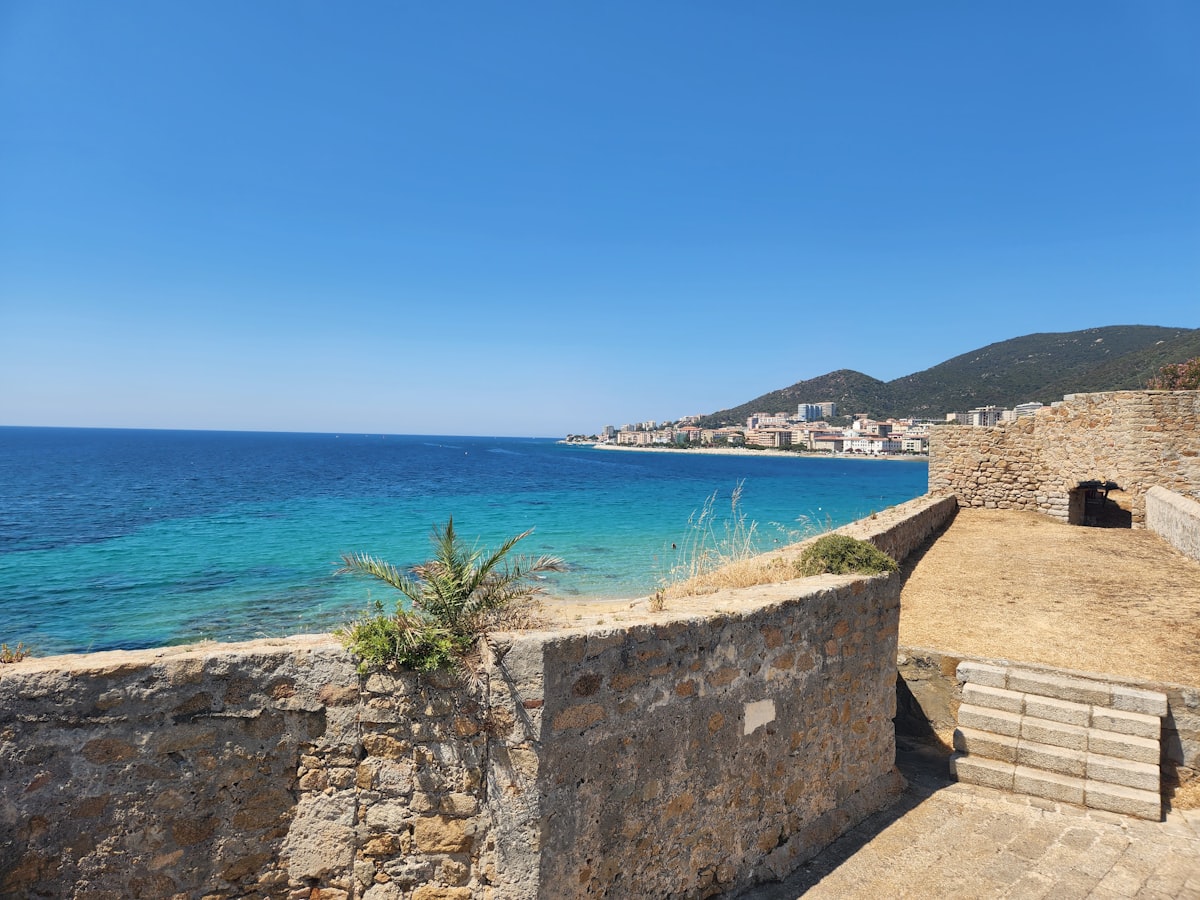
Corsica rises from the Mediterranean like a continent in miniature, a mountainous jewel where granite peaks plunge directly into turquoise waters that would embarrass the Caribbean. This is France's wild child—an island that rebelled against Genoa, produced Napoleon, and maintains a fierce independence that sets it apart from the mainland. In June, the maquis scrublands explode with wildflowers, the GR20 hiking trail opens fully, and the sea is warm enough for swimming while the summer crowds haven't yet arrived.
The island's geography is dramatic: 1,000km of coastline ranging from white-sand beaches that rival the tropics to rocky fjords called calanques, and an interior where 2,500m peaks remain snow-capped into July. This diversity creates multiple Corsicas. There's the glamorous south around Porto-Vecchio and Bonifacio, where yachts moor in bays of liquid sapphire. The wild west coast, where the Calanques de Piana's red granite cliffs have been sculpted by wind and waves into surreal formations. The interior villages where time stopped three centuries ago. And the northern Cap Corse, a finger of land pointing toward Genoa, dotted with Genoese towers and villages that feel more Ligurian than French.
Corsica's cultural distinctiveness is immediately apparent. The language—Corsu—is actively taught in schools and heard in village cafés alongside French. The island's turbulent history of resistance (first against Genoese rule, then French) has forged a prideful identity. You'll see it in the flag hanging from balconies, hear it in the polyphonic choral singing that echoes through churches, and taste it in the cuisine that blends French technique with Italian flavors and uniquely Corsican ingredients.
June offers the sweet spot: the weather is reliably warm (25-28°C) and dry, the sea has warmed from spring yet isn't crowded, and the island's interior is accessible before the July-August heat makes hiking grueling. Wildflowers carpet the maquis, the mountain streams are full, and the tourist infrastructure is fully operational but not yet overwhelmed. For hikers, it's the ideal month for the GR20. For beach lovers, the water is perfect. For food enthusiasts, it's the start of the charcuterie season and the moment when mountain cheeses are at their peak.
Disclosure: Tour links are affiliate links. We earn a small commission at no extra cost to you.
Disclosure: These are affiliate links. We earn a small commission at no extra cost to you.
Disclosure: Some links are affiliate links. We earn a small commission at no extra cost to you.
Getting There & Around
Ferries, flights, and the art of island navigation
By Ferry: The overnight ferry from Marseille, Nice, or Toulon is the classic arrival—wake up to mountains rising from the sea. Corsica Ferries and La Méridionale operate year-round, with increased summer schedules. June crossings should be booked 4-6 weeks ahead; July-August sells out months in advance. A standard car + 2 passengers from Marseille to Bastia costs €180-250 return. Foot passengers pay €50-80 each way. Cabins are worth the extra €40-80 for overnight sailings—reclining seats are uncomfortable, and you'll arrive exhausted. The port towns (Bastia, Ajaccio, Porto-Vecchio) are instantly atmospheric, with citadels and café terraces awaiting your arrival.
By Air: Four airports serve the island: Ajaccio (AJA) for the west coast and interior, Bastia (BIA) for the north and east, Figari (FSC) for the southern beaches, and Calvi (CLY) for the Balagne coast. June flights from Paris start at €70 return if booked early; London connections via EasyJet and British Airways serve Bastia and Figari. June is shoulder season for airfares—cheaper than July-August but with full schedules. Car rental at the airport is essential; pre-book with Hertz, Avis, or local firms like Corsica Rent Car.
Car Rental Essentials: You cannot effectively explore Corsica without a vehicle. Public buses connect the main towns but don't reach the beaches, mountain villages, or trailheads. Roads are winding and narrow—a compact car is strongly advised over larger vehicles. Expect €45-70/day in June for a small manual car. Book 2-3 months ahead; June inventory sells out. Note that some rental agencies prohibit taking cars on certain mountain roads—check if planning to tackle the Col de Bavella or similar passes. Diesel is cheaper than petrol; stations are frequent on the coast but scarce in the interior—fill up before mountain excursions.
Driving Corsica: The island's roads are spectacular but demanding. The Route du Soleil along the east coast is fast and modern, but the real magic is on the slower routes: the coastal corniches, the mountain passes, and the Cap Corse loop. The D81 from Porto to Piana ranks among Europe's most beautiful drives, hugging cliffs above the Gulf of Porto. The D84 through the mountain spine connects Corte to Ajaccio via spectacular valleys. Allow double the time Google Maps suggests—switchbacks, livestock, and distracted drivers slow progress. June is ideal driving weather; July-August brings traffic jams and impatient overtaking.
Where to Stay
From citadel hotels to beach campsites—2026 pricing

Porto-Vecchio & the South: The island's most glamorous corner. According to 2026 Serper data, Corsica hotels start from $64/night with all-inclusive options popular in this region. Properties include Club Marmara Grand Bleu, Hotel Club Marina Viva, and Ibis Styles Porto-vecchio. Hôtel Le Pinarello in nearby Sainte-Lucie-de-Porto-Vecchio offers barefoot luxury—private beach, turquoise water, and rooms from €280/night in June. More accessible is Hôtel Costa Salina, a stylish property walking distance to town with a pool and sea views (€140-180). For budget travelers, Camping La Baie des Voiles sits directly on Santa Giulia beach with pitches from €25/night.
Bonifacio: The dramatic clifftop citadel town. Hôtel Genovese occupies a converted 17th-century mansion within the citadel walls—terraces look straight down to the turquoise harbor (€200-320). For something different, the nearby marina has simpler options like Hôtel du Palais, perfectly positioned for boat trips to the Lavezzi Islands (€110-150). The town itself is a maze of cobblestones and hidden staircases—staying inside the citadel means carrying luggage up from parking, but waking to the sea views is worth it.
Corte & the Interior: Corsica's historic capital sits at the geographical heart, surrounded by mountains. This is where you'll find the best value—hotels average 20-30% less than coastal areas. Hôtel Duc de Padoue is a converted barracks with characterful rooms in the citadel (€90-120). The village of Venaco, 20 minutes away, has excellent guesthouses like Casa Capellini with mountain views and half-board options featuring local charcuterie (€110-140).
Hostels & Budget Options: Corsica has 11 hostels across the island according to 2026 data, with options in Corte from €10-15/night (Dorms.com). Hostels in Porto-Vecchio start around $80/night (Expedia). For budget hotels, the cheap hotel options include Hôtel Napoléon with good value ratings on TripAdvisor.
Daily Costs
The price of paradise—Corsica's premium reality
Budget Explorer: €80-110/day. Camp at the spectacular coastal sites—Camping La Baie des Voiles (Santa Giulia) or Camping d'Arène (Cargèse) cost €22-28/night for a pitch. Self-cater from local markets: Corsican charcuterie, brocciu cheese, and fruit from roadside stands create memorable picnics for €12-15/day. Stick to free activities—beaches, hiking trailheads, and village exploring. The main expense is the car (€50/day split between two = €25 each). Total: €560-770/week, plus ferry.
Mid-Range Comfort: €180-240/day. Hôtel in Corte or smaller coastal towns (€110-150/night), rental car (€55/day), restaurant lunch (€18), proper dinner with wine (€35), fuel for exploring, beach parking (€5-8/day at the famous beaches), and miscellany. This tier gets you comfort and convenience without the Porto-Vecchio premium. June pricing is 20-30% lower than peak July-August. Total: €1,260-1,680/week, plus ferry.
Luxury Experience: €400-600/day. Stay at Hôtel Le Pinarello or Domaine de Murtoli (exclusive estate with private villas, €800-1,500/night). Yacht charter for a day exploring the Lavezzi Islands (€800-1,200). Michelin-recommended dining at restaurants like La Table de Bastien in Porto-Vecchio (€80-120 per person). Helicopter transfers from Figari airport (€180/person). June is the time for this tier—you get full service without the August crowds and heat. Total: €2,800-4,200/week, plus ferry.
Money-Saving Reality Checks: Corsica is expensive. There's no getting around the ferry cost (€100-250 return per person with a car), the high accommodation prices driven by short seasonality, or the restaurant costs that match Paris. Save by: visiting in early June before prices spike; staying inland rather than on the coast; self-catering from markets (Corsican products are exceptional); and avoiding the famous beaches' paid parking by arriving before 9am or after 6pm when attendants leave. The best things—hiking the GR20 trails, swimming in coves, watching sunsets from village squares—are free.
Top Things to Do
Beaches, mountains, and everything between

Palombaggia & Santa Giulia Beaches: These two beaches near Porto-Vecchio consistently rank among Europe's finest. Palombaggia is a series of coves with powder-white sand backed by umbrella pines and red granite outcrops. Santa Giulia is a perfect shallow lagoon, ideal for families, with water so clear you can see fish swimming at waist depth. Both have paid parking (€6-10/day). Arrive by 9am in June or park along the road and walk.
The Calanques de Piana: UNESCO-listed red granite cliffs and sea stacks on the west coast. The D81 coastal road from Porto to Piana clings to cliffs above the Gulf of Porto. Hike the Château Fort trail (2 hours) for the classic viewpoint, or take a boat tour from Porto (€40-50, 3 hours). Sunset here is unforgettable—the granite glows deep red.
Bonifacio & the Lavezzi Islands: The clifftop citadel of Bonifacio is Corsica's most dramatic town, medieval houses perched 70m above the strait separating Corsica from Sardinia. Then take the boat (€35-45 return) to the Lavezzi Islands—uninhabited granite islets with pristine beaches and clear snorkeling water.
GR20 Trail (or a taste of it): The Vizzavona to Bergeries d'Arête stage (4 hours) offers high-mountain drama without the technical difficulty. For a shorter taste, the Asco Valley approach to the Stagnu refuge (2 hours) brings you to the GR20's most iconic viewpoint. June is ideal; snow lingers into July on the highest sections.
Corte & the Restonica Valley: Corsica's former capital sits at the geographical heart. The Restonica Valley climbs from Corte's edge into the mountains, following a crystal-clear river past granite pools perfect for swimming. The road ends at the Grotelle shepherds' huts, where hiking trails lead to the island's highest lakes, Melu and Capitellu (3-hour round trip).
Food Scene
Corsican cuisine: French technique meets island terroir
Corsican food is distinct from mainland French cuisine, shaped by the island's history as a Genoese possession and its rugged, self-sufficient character. The defining features are charcuterie from pigs that forage in the maquis, cheeses made from the milk of goats and sheep that graze on aromatic scrubland, and a tradition of hearty, rustic dishes suited to mountain life.
Must-Try Specialties: Coppa and lonzu—cured pork cuts seasoned with wild fennel. Figatellu—a liver sausage that divides visitors. Brocciu—fresh sheep's milk cheese similar to ricotta but with more character. Fiadone—a light, lemony brocciu cake. Aziminu—Corsica's version of bouillabaisse made with rockfish.
Where to Eat: In Corte, U Museu serves authentic Corsican dishes—the pulenta (polenta with brocciu and chestnuts) or wild boar stew (€18-25). In Porto-Vecchio, La Table de Bastien elevates island ingredients to fine dining (€70-90 for full dinner). For beachside simplicity, restaurants at Palombaggia serve excellent grilled fish (€22-30). Roadside auberges in the interior serve set menus of charcuterie, wild boar, and brocciu-based desserts (€25-35).
Markets & Self-Catering: Every town has a weekly market. Buy charcuterie from producers who raise their own pigs, brocciu from the cheese stall, tomatoes from local growers, and a baguette from the wood-fired bakery. Add a bottle of Patrimonio wine (€8-15). Find a beach or mountain viewpoint, and you have a meal that no restaurant can match.
Day Trips
Exploring beyond your base
Cap Corse: This 40km finger of land pointing toward Genoa is Corsica at its most traditional. The loop from Bastia takes a full day: stop at Erbalunga for harbor-front coffee, Macinaggio for seafood lunch, the tower at Nonza above a black pebble beach, and Centuri for the island's best lobster. The D80 road is narrow and winding but spectacular.
The Bavella Pass: From Porto-Vecchio, drive north through the Alta Rocca mountains to this dramatic pass at 1,218m. The road climbs through forests of laricio pines, past the Aiguilles de Bavella—seven granite spikes. The GR20 crosses here, and you can walk south to the Asinau refuge (3 hours) for a taste of the famous trail.
Scandola Nature Reserve: This UNESCO-listed coastal reserve on the northwest coast is accessible only by boat. Tours depart from Porto (€45-60, 3-4 hours) taking you through red cliffs, sea caves, and translucent water. Ospreys nest on the cliffs; dolphins sometimes accompany the boats. June's calm seas make for the smoothest trips.
Practical Tips
Making the most of your island time
The Language: French is official, but Corsican (Corsu) is widely spoken. A few words go a long way: bonghjornu (hello), grazie (thank you). Islanders appreciate the effort. English is spoken in tourist areas but less widely than on the mainland.
Beach Strategy: The famous beaches have paid parking (€5-10/day) that fills by 10am. Arrive by 8:30am for prime spots. Alternatively, park on approach roads and walk 10-15 minutes—free. Bring your own umbrella; rentals are €15-25/day. The water is warmest in late June through August (22-25°C).
Mountain Safety: The interior mountains are serious terrain. Weather changes rapidly—even in June, afternoon thunderstorms are common above 1,000m. Start hikes early, carry layers, and turn back if clouds build. Tell someone your route. Phone signal is patchy in valleys.
Ferry Booking: Book 2-3 months ahead for July-August. June has more flexibility but still book 4-6 weeks ahead. Tuesday-Thursday crossings are cheaper and less crowded. If taking a car, arrive at port 90 minutes before departure; foot passengers need 60 minutes.
Frequently Asked Questions
When is the best time to visit Corsica?
+June and September offer the best balance, warm weather (25-28C), calm seas, and fewer crowds than peak July-August. July is ideal for hiking the GR20 when mountain huts are fully open. August is hottest but busiest; book ferries and accommodation months ahead.
How many days do I need in Corsica?
+Minimum 5-7 days to see the diversity, combine beach time with mountain villages. A week allows you to explore north (Bastia, Cap Corse) and south (Bonifacio, beaches). Ten days is ideal for circumnavigating the island.
Is Corsica expensive compared to mainland France?
+Yes, expect to pay 20-30% more for accommodation, dining, and transport. Budget hotels start at EUR90/night in summer. A simple restaurant meal costs EUR25-35. Ferries add significant cost (EUR100-200 return). However, you can save by self-catering and visiting in shoulder season.
Do I need to book ferries in advance?
+Absolutely essential for July-August and any vehicle transport. Book 2-3 months ahead for peak season; ferries sell out. Foot passenger tickets have more flexibility but still book ahead for weekends. Tuesday-Thursday crossings are usually cheaper and less crowded.
What is the GR20 and do I need to hike it?
+The GR20 is one of Europe's most challenging long-distance trails, running 180km across Corsica's mountainous spine. You do not need to hike the full trail to enjoy Corsica, many people do day hikes on sections near Corte or Vizzavona.