In This Guide
"Lyon is the only city in the world with a UNESCO designation for being the 'gastronomic capital of the world.' It's the birthplace of Paul Bocuse, the home of the bouchon, and the place where French cuisine was codified into the system we know today. The food here isn't a tourist attraction — it's the culture."
Here's what most Lyon food guides get wrong: they send you to the same ten restaurants in Vieux Lyon, all charging 40% more than equivalent places elsewhere. The best Lyon food experience is in the markets, the bouchons of the Croix-Rousse, and the modern bistros of the Confluence district. The Old Town has good restaurants too, but it also has the highest concentration of tourist-targeted mediocrity.
This guide is structured around what to eat, where to eat it, and what it costs — so you eat like a local instead of a cruise passenger.
Disclosure: Tour links are affiliate links. We earn a small commission at no extra cost to you.
Disclosure: These are affiliate links. We earn a small commission at no extra cost to you.
Disclosure: Some links are affiliate links. We earn a small commission at no extra cost to you. We only recommend services we use and trust.
Why Lyon?
The only city with a UNESCO food designation
In 2010, UNESCO added Lyon to its Creative Cities Network specifically for gastronomy — the only city in the world to receive this designation. This isn't marketing fluff. Lyon has more Michelin stars per capita than any city outside Tokyo. It's where Paul Bocuse built his empire, where the bouchon tradition was formalized, and where the French culinary education system (the Ecole des Bocuse, Institut Paul Bocuse, Institut Lyonnais) trains the chefs who go on to lead kitchens across France.
But the UNESCO status describes a living food culture, not a museum. Lyon's food culture is accessible and affordable in ways that Paris's is not. A three-course bouchon lunch costs €18–25. A market picnic costs €8–12. A neighborhood café breakfast costs €5–8. The quality of ingredients in Lyon's markets is extraordinary — this is the fruit and vegetable basket of France, and the prices reflect local abundance, not tourist markup.

The Bouchon: Lyon's Answer to the Parisian Bistro
Traditional, fixed-price, shockingly good value
A bouchon (pronounced boo-SHON) is a specifically Lyonnais thing — a type of traditional restaurant that serves a fixed menu of classic dishes at fixed prices. It's not quite a bistro (more casual), not quite a brasserie (more traditional), and not quite a restaurant (more focused). It's its own category. The best bouchons are certified "Bouchon Lyonnais" — look for the oval plaque on the door.
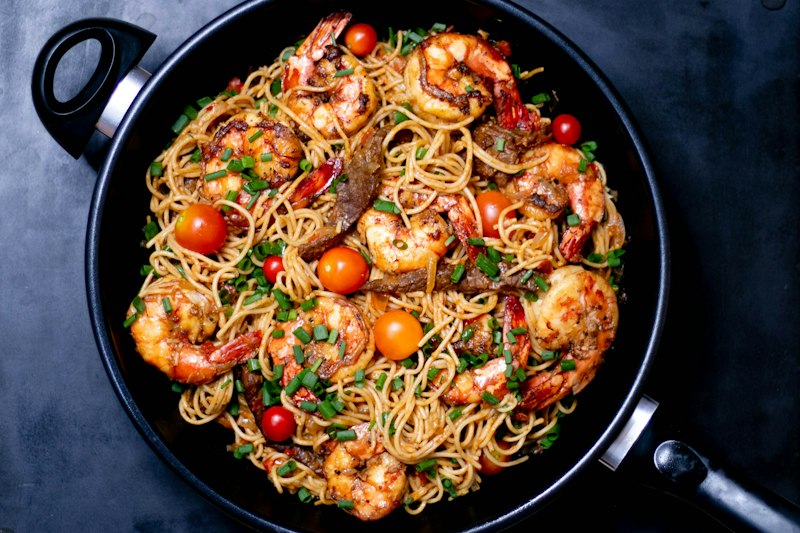
- Quenelles de brochet: baked choux pastry with a savory filling (usually salmon or spinach), gratinéed with sauce Nantua (cream sauce with Gruyère). This is Lyon's signature dish. €8–12 as a starter.
- Salade Lyonnaise: curly endive, bacon lardons, croutons, poached egg, Dijon vinaigrette. The single best salad in French cuisine. €8–12 as a starter or €14–18 as a main with added protein.
- Tablier de canard: duck confit baked in its own fat, served with potatoes roasted in the same fat, with a green salad. Rich but extraordinary. €16–22.
- Andouillette: — skip this unless you genuinely like intense sausage. It's a traditional bouchon dish but polarizing.
- Tarte aux pralines: a sweet praline tart for dessert. €6–8.
- Full bouchon lunch (starter + main + dessert): €18–25. This is one of the best food deals in Western Europe — a three-course traditional French meal for under €25.
Where to find real bouchons: The highest concentration of genuine, non-touristy bouchons is in the Croix-Rousse neighborhood (1st arrondissement). Daniel & Denise, Café des Fédérations, and Chez Mounier are the most respected. In Vieux Lyon, Café des Fées and Le Musée are good but busier. Avoid any bouchon in the main squares of Vieux Lyon — the quality drops and the prices stay the same.
"A bouchon lunch in Lyon costs €22 and a comparable meal in a Parisian bistro costs €40. Same country, same culinary tradition, half the price. The €18 difference buys you exactly the same quality of ingredients — the difference is the city's ego, not the food."
Lyon's Markets: The Real Food Capital
Skip the restaurants sometimes — eat where locals buy their ingredients
Lyon's markets are arguably more interesting than its restaurants. They showcase the agricultural richness of the Rhône region — Bresse chicken, Savoie cheese, Provençal vegetables, Charolais beef — at prices that make restaurant food look absurd. A market picnic for two costs €8–12 and delivers a better lunch than most €30 restaurant meals.
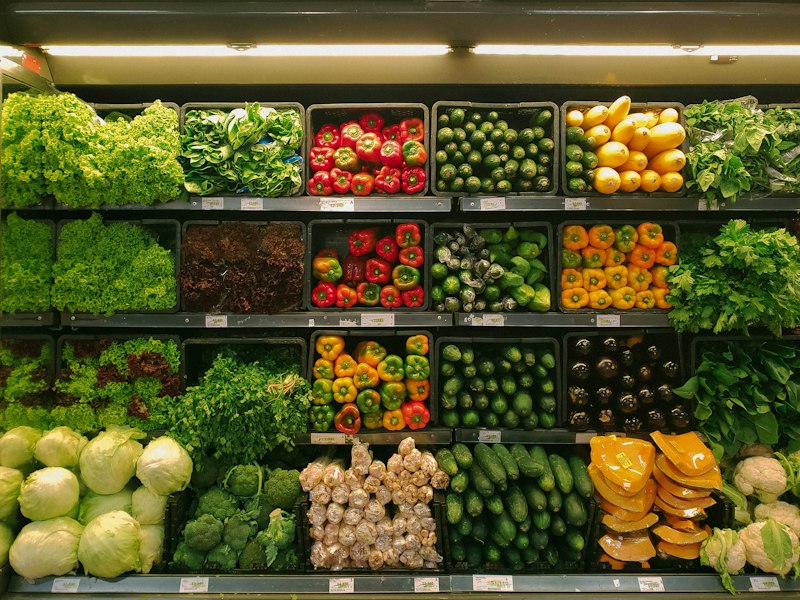
- Les Halles de Paul Bocuse: The most famous food market in France. A massive indoor space with 60+ stalls selling everything from oysters to charcuterie to pralines. The building itself is stunning (designed by Renzo Piano). Go on a Saturday morning when the vendors are most active. It's partially touristy but genuinely excellent. A platter of cheeses + cold cuts for two: €12–18. Don't eat at the indoor café — buy from the stalls and eat outside on the steps overlooking the fountain.
- Marché de la Croix-Rousse: The local favorite. Less polished than Les Halles, cheaper, more authentic. Excellent fruit, vegetables, cheese, and prepared foods. The Saturday market is the best. A full picnic here: €6–10. Open Tuesday–Sunday mornings.
- Quai Saint-Antoine: Along the Saône river. Smaller than the big markets but has excellent cheese and charcuterie stalls. Great for assembling a picnic to eat by the water.
- Marché de la Croix-Rousse indoor market: An enclosed market hall with permanent food stalls. More convenient in bad weather. Slightly higher prices than the outdoor market.
The picnic strategy: Buy a baguette (€1–1.50 from any boulangerie), then fill it at a market with cheese, cold cuts, fruit, and a pastry. Find a bench along the Saône or in Parc de la Tête d'Or. Total cost: €8–12 for a meal that would cost €25–35 in a restaurant. The experience is better: you choose exactly what you want, you eat outdoors, and you eat among locals doing the same thing.
Modern Lyon: Where the Innovation Is Now
Lyon's traditional food culture isn't frozen in 1960 — it's evolving. The most exciting food in Lyon right now is happening at the intersection of tradition and modern technique. A new generation of chefs are taking bouchon classics and reimagining them with Asian, North African, and Latin American influences while keeping the bones recognizable.
- Daniel et Denise (Croix-Rousse): The most respected modern bouchon in Lyon. Classic dishes executed with extraordinary precision. Book ahead — it's small (20 covers). Mains: €18–25. Worth the effort.
- Le Neuvième (Confluence district): The flagship of Lyon's modern food scene. Inventive, constantly changing menu. Mains: €22–35. The food here is what Lyon's young chefs aspire to cook.
- Le Florian (Vieux Lyon): A bridge between bouchon and modern — traditional structure, contemporary technique. Excellent value for the quality. Mains: €16–22.
- La Mère Brazier (1st arrondissement): The restaurant where Paul Bocuse trained. A pilgrimage destination for French food enthusiasts. Set menu: €49–89. Expensive, but if you care about French cuisine history, this is the one.
- Street food in Vieux Lyon: The traboules (narrow passageways between buildings) have excellent food stalls selling quenelles, saucisson, pizza by the slice, and crêpes. A full street-food lunch: €6–10.
For: Tradition, value, history.
Budget: €18–25 for 3 courses.
Avoid: Tourist-heavy squares in Vieux Lyon.
For: Fresh ingredients, outdoor eating.
Budget: €8–12 for two.
Best at: Croix-Rousse Saturday market.
For: Innovation, technique.
Budget: €22–35 for a main.
Best at: Confluence district.
What to Eat in Lyon
The specific dishes that define the city
- Quenelles: The undisputed king of Lyon dishes. Fluffy baked choux pastry with a savory filling (salmon or spinach are the classics), gratinéed with creamy sauce. Every bouchon makes them differently — try at least two.
- Salade Lyonnaise: Curly endive, lardons, croutons, poached egg, Dijon vinaigrette. Deceptively simple, perfectly balanced. Available everywhere from markets to fine dining.
- Cervelle de canut: Literally "brain of the canut" — a scrambled egg and pig brain dish that's fiercely traditional. Not for everyone. Skip if you're not an adventurous eater.
- Praline: Pink sugar-coated almond. The candy that defines Lyon. Buy it at any market or chocolate shop. A 200g bag: €3–5. The best pralines are from Bernachon or Voisin (both have shops in Vieux Lyon).
- Tarte aux pralines: A sweet tart filled with crushed praline, topped with meringue. The classic dessert to end a bouchon meal.
- Brioche au sucre: The breakfast pastry of Lyon. Fluffy, buttery, sweet. Available at any boulangerie for €1.50–2.50.
- Saucisson brioché: A flaky sausage-filled pastry — the ultimate Lyon street food. Available from traboule stalls for €3–5.
- Tarte à la crème frâiche: A baked tart with fresh fruit (apricot in summer, apple year-round). Available at bakeries for €3–5. Better at bakeries than restaurants.
Real Costs: Lyon Food Budget
What eating actually costs — by tier
The Lyon advantage: A food-focused day in Lyon costs €20–40, including three meals plus coffee and pastry breaks. The same quality of French food in Paris costs €40–70. Lyon is France's best food value city — the only place where UNESCO gastronomy isn't a luxury category.
Lyon Food FAQ
Common questions, honest answers
Lyon is UNESCO's official "gastronomic capital of the world" — the only city with this designation. It's the birthplace of Paul Bocuse, home to the bouchon tradition, and the training ground for France's top chefs. More Michelin stars per capita than anywhere outside Tokyo. The food culture is deeply embedded in daily life, not just in restaurants.
A bouchon is a traditional Lyon restaurant serving fixed menus of classic Lyonnais dishes at fixed prices. Look for the "Bouchon Lyonnais" certification on the door — it's an official quality mark. A three-course lunch costs €18–25. The best concentration of genuine bouchons is in the Croix-Rousse neighborhood.
Significantly — roughly 40–50% cheaper for comparable quality. A three-course bouchon lunch in Lyon costs €18–25; a comparable meal in Paris costs €30–45. Coffee is €3–5 in Lyon vs €4–6 in Paris. Market food is dramatically cheaper because Lyon is surrounded by agricultural regions. The only thing more expensive in Lyon is the absolute top-end Michelin restaurants, which price similarly to Paris.
Two days is the minimum for a serious food trip — one for bouchons and markets, one for modern dining and exploration. Three days lets you add a day trip (Beaujolais vineyards, Pérouges) and slow down. Four days is ideal. Lyon is dense and walkable — you don't need a car, and the best food is clustered in the 1st and 2nd arrondissements.