"I spent fourteen days in Thailand in March 2026 and spent less than I would have on a long weekend in Barcelona. The quality of the experience was not compromised — it was enhanced."
We have been skeptical of Southeast Asia budget travel content for years. The numbers always seemed too good to be true — $10 rooms, $2 meals, $5 massages — and often they were. The content was written by people who hadn't been there recently, using prices from 2018.
So we went in March 2026 with a simple mandate: track every baht, stay in real accommodation, eat where locals eat, and document the real cost of two weeks in Thailand. The total came to €784. Here is the exact itinerary, the daily breakdown, and the six rules that made it possible.
The Thailand Equation: €38 Per Day
How the numbers actually break down in 2026
The €800 figure is not a stunt. It is a realistic total for a solo traveler who is willing to sleep in hostels, eat street food, take overnight trains, and skip the cocktail bars. It is not uncomfortable — it is simply efficient.
Here is the daily average before we get into specifics:
The lower end (€36/day) requires discipline. The upper end (€54/day) gives you room for a massage or a cocktail. Our actual average was €41/day.
The currency context: In March 2026, €1 bought approximately 37 Thai baht (THB). All prices are converted to euros for comparison, but we paid in baht. Card acceptance is excellent in Bangkok, patchy in Chiang Mai, and cash-only on most islands. Bring a Revolut or Wise card.
Bangkok: The First Shock
3 nights, €58 total — and why it is the most underrated city in Asia
Bangkok intimidates first-timers. The heat, the traffic, the sheer sensory assault of Khao San Road at midnight — it is overwhelming by design. But spend 48 hours learning the city's rhythms and it becomes one of the most efficient urban experiences on the planet.
Day 1: Arrive at Suvarnabhumi (BKK), take the Airport Rail Link to Phaya Thai (€1.20), then BTS to your hostel. Walk to Wat Pho (€3 entry) for the reclining Buddha. Walk 10 minutes to Wat Arun across the river (€1.50 ferry + €3 entry) for sunset. Dinner at Thip Samai — the most famous pad thai in Bangkok, €3.50.
Day 2: The Chatuchak Weekend Market or Jim Thompson House (€4). Lunch at a congee stall in Chinatown (€1.50). Afternoon: Lumphini Park — free, shaded, filled with monitor lizards. Evening: Jay Fai (€15, Michelin street food).
Day 3: Morning: Grand Palace (€15). Afternoon: pack and take the BTS + MRT to Hua Lamphong for the overnight train to Chiang Mai. Second-class sleeper (€22, lower berth, air-conditioned, includes dinner). Leaves 8pm, arrives 7:15am. You save a night's accommodation and wake up in the mountains.
"Bangkok is not a city you visit. It is a city you learn to use. The BTS and MRT are impeccably clean. The street food is safer than most restaurant kitchens in Europe. And the temples are so extraordinary that after three days, you will stop taking photographs."
Chiang Mai: The Cultural Counterweight
4 nights, €94 total — the city that ruins the rest of Thailand for you
Chiang Mai is the reason digital nomads never leave Thailand. At €25/day for comfortable living, with 300 Mbps fiber internet, mountain air, and 300+ temples within the city limits, it is the best value urban experience in Southeast Asia.
Day 4 (arrival morning): The train pulls into Chiang Mai at 7:15am. Take a songthaew (€1.50) to the Old City. Check into Julie Guesthouse (€8/night, fan room, garden courtyard). Walk to Tha Phae Gate. Lunch at Khao Soi Khun Yai — the best khao soi in the city, €1.80.
Day 5: Morning: Doi Suthep temple (€2 entry + €3 songthaew). The 309-step climb is worth it. Afternoon: Chiang Mai University lake — free, shaded, quiet. Evening: Night Bazaar food court. Grilled pork skewers (€1), mango sticky rice (€1.20).
Day 6: The Thai Farm Cooking School half-day class (€18, market tour and 6 dishes you cook yourself). You cook pad thai, tom yum, green curry, mango sticky rice, and spring rolls. You eat everything you make.
Day 7: Rent a scooter (€6/day including helmet). Ride to Sticky Waterfall (Bua Tong, 1 hour north, free entry). The limestone is rough enough to climb barefoot against the flowing water. Pack a picnic from 7-Eleven (€3).
The Islands: Picking the Right One
Krabi vs. Koh Lanta vs. Koh Tao — which island fits a €800 budget
Thailand's islands are not equal. The east coast (Koh Samui, Koh Tao, Koh Phangan) and west coast (Phuket, Krabi, Koh Lanta) have different seasons, different vibes, and different price structures. For a budget traveler in March 2026, the west coast wins on value.
| Island | Daily Cost | Crowd Level | Best For | Verdict |
|---|---|---|---|---|
| Phuket | €55–75 | Extreme | Nightlife, families | SKIP |
| Krabi (Ao Nang) | €35–50 | High | Rock climbing, access | OK |
| Koh Lanta | €30–42 | Moderate | Beaches, quiet | PICK |
| Koh Tao | €32–45 | High | Diving, party | OK |
| Koh Samui | €50–70 | High | Resorts, wellness | SKIP |
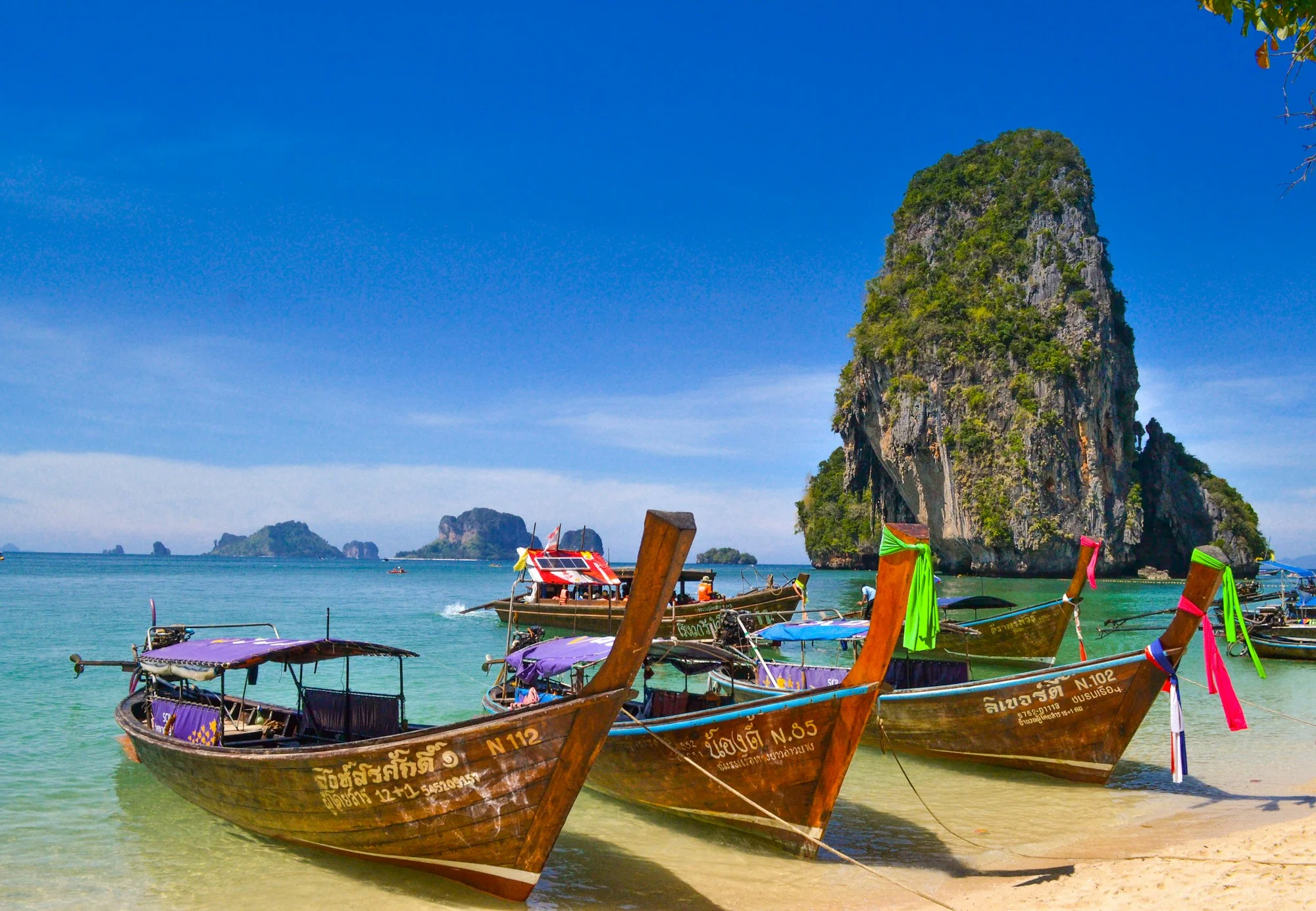
We chose Koh Lanta. It has the beaches of Phuket without the density, the diving of Koh Tao without the party scene, and the prices of a forgotten island. In March 2026, a beach bungalow 50 meters from the water cost €12/night. A full seafood dinner on the beach cost €6. A scooter rental cost €5/day.
The ferry connection: From Chiang Mai, fly to Krabi (€18 with AirAsia, 45 minutes) or take the overnight bus + ferry (€22, 16 hours). The flight is worth the €4 premium. From Krabi airport, a shared van to the pier costs €3, and the ferry to Koh Lanta is €4. Total transfer cost: €25.
The 2-Week Itinerary: Day by Day
Every day, every cost, every decision
This is the exact route we followed. Costs are per person in euros. Accommodation is listed by the property we stayed in and verified as available in March 2026.
| Day | Location | Activity | Cost |
|---|---|---|---|
| 1 | Bangkok | Arrive, Wat Pho, Wat Arun, Thip Samai | €28 |
| 2 | Bangkok | Chatuchak / Jim Thompson, Chinatown, Lumphini | €22 |
| 3 | Bangkok → Train | Grand Palace, overnight sleeper to Chiang Mai | €42 |
| 4 | Chiang Mai | Arrive, Old City, Tha Phae Gate, Khao Soi | €18 |
| 5 | Chiang Mai | Doi Suthep, Night Bazaar food court | €16 |
| 6 | Chiang Mai | Thai Farm Cooking School half-day | €24 |
| 7 | Chiang Mai | Scooter to Sticky Waterfall, picnic | €16 |
| 8 | Chiang Mai → Krabi | Flight to Krabi, van to pier, ferry to Koh Lanta | €30 |
| 9 | Koh Lanta | Beach day, Long Beach sunset, seafood dinner | €22 |
| 10 | Koh Lanta | Scooter to Old Town, snorkeling at Koh Rok | €28 |
| 11 | Koh Lanta | Kantiang Bay, Mangrove Park, beach bungalow | €20 |
| 12 | Koh Lanta | Free day — massage (€5), reading, swimming | €18 |
| 13 | Koh Lanta → Bangkok | Ferry + van + flight back to Bangkok | €32 |
| 14 | Bangkok | Final morning market, departure | €12 |
2026 Cost Breakdown: The Honest Total
Where every euro went, and where you can cut further
Our total spend was €784 over 14 days. Here is the category-by-category breakdown with notes on where you could spend less and where you should not.
Where to cut: Skip the cooking class (save €18). Stay in dorms instead of private rooms (save €60). Skip the snorkeling trip (save €14). Eat only street food, no sit-down meals (save €35). Total potential savings: €127, bringing the trip to €657. We do not recommend all of these cuts — the cooking class was the highlight — but they are possible.
Where not to cut: Do not skip the second-class sleeper train — it is cheaper than a flight + hotel night combined. Do not skip the scooter rental on Koh Lanta — the island is too large to walk, and taxis are extortionate. Do not skip travel insurance — medical care in Thailand is excellent but not free. World Nomads or SafetyWing costs €25 for 2 weeks and covers motorbike accidents (most policies do not — read the fine print).
The Transport Math
How to move between cities for under €140 total
Thailand's transport network is one of its hidden advantages. The State Railway of Thailand operates clean, punctual overnight trains. Low-cost airlines (AirAsia, Nok Air, Thai Lion Air) sell domestic flights for less than a taxi to the airport in Europe. And the ferry network connects the islands efficiently.
| Route | Mode | Duration | Cost | Notes |
|---|---|---|---|---|
| Bangkok → Chiang Mai | Overnight train (2nd class sleeper) | 13h | €22 | Includes dinner. Lower berth recommended. |
| Chiang Mai → Krabi | AirAsia domestic flight | 1h 45m | €18 | Book 3+ weeks ahead. Carry-on only. |
| Krabi Airport → Pier | Shared van | 1h | €3 | Book at airport counter. Fixed price. |
| Krabi Pier → Koh Lanta | Ferry | 1h 30m | €4 | Multiple daily departures. Buy at pier. |
| Koh Lanta → Krabi Pier | Ferry | 1h 30m | €4 | Same return route. Morning departures. |
| Krabi → Bangkok | AirAsia domestic flight | 1h 20m | €22 | Evening flight. Save a hotel night. |
The Grab vs. tuk-tuk decision: In Bangkok, always use Grab (the Southeast Asian Uber equivalent). Tuk-tuk drivers quote tourists 3–5x the meter rate. A 15-minute Grab ride costs €1.50–2.50. The same tuk-tuk ride will be quoted at €5–8. In Chiang Mai, red songthaews (shared trucks) are cheaper than Grab for short trips — flag one down, tell the driver your destination, and pay €0.80–1.50 when you arrive.
The Food Secret: Street Food Is Not a Risk, It Is the Point
€8 per day feeds you better than €40 in Europe
The single biggest budget hack in Thailand is also the single best cultural experience: street food. Not the tourist-oriented stalls on Khao San Road. The stalls where taxi drivers, shopkeepers, and university students eat at 12:30pm. These are the stalls with plastic stools, a wok that has not been cleaned in 20 years, and a queue of locals who know exactly what they are doing.
Here is what €8 buys you in Bangkok in 2026:
| Meal | Dish | Where | Cost |
|---|---|---|---|
| Breakfast | Congee (rice porridge) + youtiao (fried dough) | Chinatown stall | €1.20 |
| Lunch | Pad thai + fresh orange juice | Thip Samai or local stall | €2.00 |
| Afternoon snack | Mango sticky rice | Any fruit stall | €1.20 |
| Dinner | Khao soi (northern coconut curry noodles) + Thai iced tea | Khao Soi Khun Yai, Chiang Mai | €2.20 |
| Evening | Grilled pork skewers (5 pieces) + Chang beer | Night market | €1.80 |
| TOTAL | €8.40 | ||
The hygiene rule is simple: eat where locals are queuing. High turnover means fresh ingredients. Avoid stalls with pre-cooked food sitting under fluorescent lights for hours. Look for the wok that is smoking, the grill that is flaming, and the cook who is assembling your dish from raw ingredients in front of you. We ate three street food meals daily for 14 days and had zero stomach issues.
"The best meal I had in Thailand cost €1.80. It was a bowl of khao soi at a plastic table on the side of a road in Chiang Mai, next to a mechanic's shop, under a tarp that leaked when it rained. The broth was extraordinary. I have paid €40 for worse food in Milan."
Frequently Asked Questions
What people search about Thailand travel in 2026
Yes — Thailand remains one of the best value destinations in Asia. A realistic daily budget in 2026 is €35–45 for a solo traveler including a private room or hostel, street food meals, local transport, and one paid activity per day. This is roughly 60% cheaper than equivalent travel in Southern Europe.
Two weeks in Thailand costs €750–900 for a budget traveler in 2026. This includes: accommodation (€12–18/night), food (€8–12/day), transport between cities (€25–35 total), local transport (€3–5/day), activities (€8–15/day), and a €50 buffer. The €800 target is realistic and achievable.
The classic budget route is: Bangkok (3 nights) → Chiang Mai (4 nights) → Krabi or Koh Lanta (5 nights) → Bangkok (1 night). This gives you urban intensity, mountain culture, and island recovery without excessive transit time. Total moving days: 3. Total full days: 11.
Yes, if you follow basic rules. Eat at stalls with high turnover — if locals are queuing, the food is fresh. Avoid raw vegetables and ice from unknown sources. Stick to cooked-to-order dishes like pad thai, tom yum, and grilled meats. The Bangkok street food scene has higher hygiene standards than most Western fast food chains. We ate street food three times daily for 14 days and had zero issues.
November to February is the cool, dry season — ideal temperatures, low humidity, minimal rain. March to May is hot (35–40°C) but still manageable with air-conditioned transport. June to October is the monsoon; the west coast (Phuket, Krabi) gets heavy afternoon rain, while the east coast (Koh Samui, Koh Tao) stays drier. For the route in this guide, November–March is optimal.
Most Western passport holders get a 60-day visa exemption on arrival for tourism purposes. This covers the 2-week itinerary with significant margin. Ensure your passport has at least 6 months validity and one blank page. The exemption is free and processed at immigration on arrival. No pre-application is required for EU, UK, US, Canadian, or Australian citizens.
Thailand is one of the safest countries in Southeast Asia for solo travelers. Violent crime against tourists is extremely rare. The main risks are petty theft (phone snatching on scooters in Bangkok), scams (tuk-tuk drivers offering 'free' temple tours that end at gem shops), and motorbike accidents. Use Grab instead of haggling with tuk-tuks, wear a helmet on motorbikes, and keep your phone in a front pocket. We felt safer in Chiang Mai at midnight than in most European cities.