"It's Sunday night. The May 25th bank holiday is 22 days away. You've been meaning to sort something. You haven't. This is the article."
Here's the situation: you have a three-day long weekend confirmed (Saturday 23 – Monday 25 May), you've been vaguely planning to go somewhere, and now it's suddenly three weeks away and your calendar is still empty. You're not alone — this exact panic-search moment is happening to about three million British people this weekend.
The good news: it is genuinely not too late. Flight prices have gone up from their January-booking sweet spot, but they're still well within reason for most European destinations. Hotels and Airbnbs for that weekend are available — not infinite, but available. The window closes in roughly five days before prices spike sharply.
What follows are 12 destinations we've screened for three things: real flights still available from UK airports, real accommodation still bookable, and genuinely worth going to. We give you actual price ranges — not hypotheticals — and one specific booking move for each to keep the cost down. No sponsored content, no vague inspiration. Just twelve trips you could have booked by the time you finish reading this.
Quick Picks by Budget
Before we go deep — match your budget to a destination
- Under £200 total (flights + 2 nights): Belgrade, Tirana (Albania), Budapest, Palermo
- £200–350 total: Porto, Seville, Kotor, Malta, Athens
- £350–550 (want some sun on a beach): Antalya, Split, Crete
- Splurge (worth it): Barcelona — pricier, but the May atmosphere before summer crowds is unmatched
- Best weather guarantee (28–32°C): Antalya, Seville, Athens
- Best for culture in 3 days: Athens, Porto, Palermo, Budapest
- Best for a crowd who want to go out: Barcelona, Belgrade, Split
- Most underrated pick on this list: Palermo — dramatically underpriced, extraordinarily beautiful, almost no British tourists
Book within 5 days. Based on historical pricing patterns, May bank holiday flight prices jump significantly in the 14-day window before departure. You're currently in the last reasonable booking window. Every day you wait, the available seats on cheap fares reduce and the algorithm pushes remaining inventory higher.
Late May is the single best time to visit Seville. The Feria de Abril is over (April), the brutal 40°C summer hasn't arrived, and the city is at peak beauty — orange blossoms done, jasmine beginning, evenings warm enough to eat outside until midnight. Seville in the final week of May is the Seville that locals prefer.
Three days here works perfectly. Day 1: Real Alcázar (book online, €15, unmissable — the gardens alone justify the trip). Day 2: Triana barrio across the river, the ceramic workshops, flamenco in the evening at Casa de la Memoria (small, authentic, €20 — not a tourist show). Day 3: Catedral and La Giralda tower, then spend the afternoon in a sherry bar because Seville is, at its core, a city organized around drinking in the afternoon.
Porto is one of the best three-day cities in Europe. It's compact, walkable, beautiful in a slightly crumbling, sun-warmed way that photographs exceptionally well — and the combination of port wine cellars in Vila Nova de Gaia, azulejo tile facades on every church, and fresh seafood at riverside tascas is hard to beat on this budget.
Late May is ideal: warm enough (20–23°C, occasionally higher), not yet the July–August peak that has started to make Porto feel over-visited. The city's famous viewpoints (miradouros) — Jardim das Fontainhas, Serra do Pilar across the river — are best at golden hour, which in late May comes around 9pm. You eat dinner at 8pm and still have time to walk to a viewpoint afterward. This is civilised.
Split is doing something extraordinary: you can have breakfast inside a Roman emperor's retirement palace. Diocletian's Palace — which the emperor had built for himself in the 4th century — is not a museum. People actually live in it. Restaurants, apartments, bars, and boutiques occupy the ancient walls. The palace is the Old Town. This fact alone makes Split one of the most interesting cities in Europe.
Late May is the last window before Split gets overrun. The sea is warmable (21–23°C — committed swimmers can manage). The ferry to Hvar (1 hour, €12) gives you one of Croatia's most beautiful islands without peak-season prices. The Dalmatian coast in May is the best it gets.
Budapest remains one of the most extraordinary cities in Europe for this price level. A beer costs £1.20 in a ruin bar. The thermal baths (Széchenyi, Gellért) cost £18 for a full day. The Parliament building — one of the most beautiful in the world — offers guided tours for £14. The food is hearty and cheap. The Danube, the bridges, Buda Castle on the hill: the visual density is extraordinary for a city this affordable.
For a group of friends who want nightlife, Budapest is the correct answer at this price point, full stop. The ruin bar scene (Szimpla Kert and its neighbours) is unique in Europe — labyrinthine courtyards of the old Jewish quarter turned into bars occupying dilapidated buildings. The Sparty (party at Széchenyi baths, Saturday nights) is a genuine institution worth the £35 ticket.
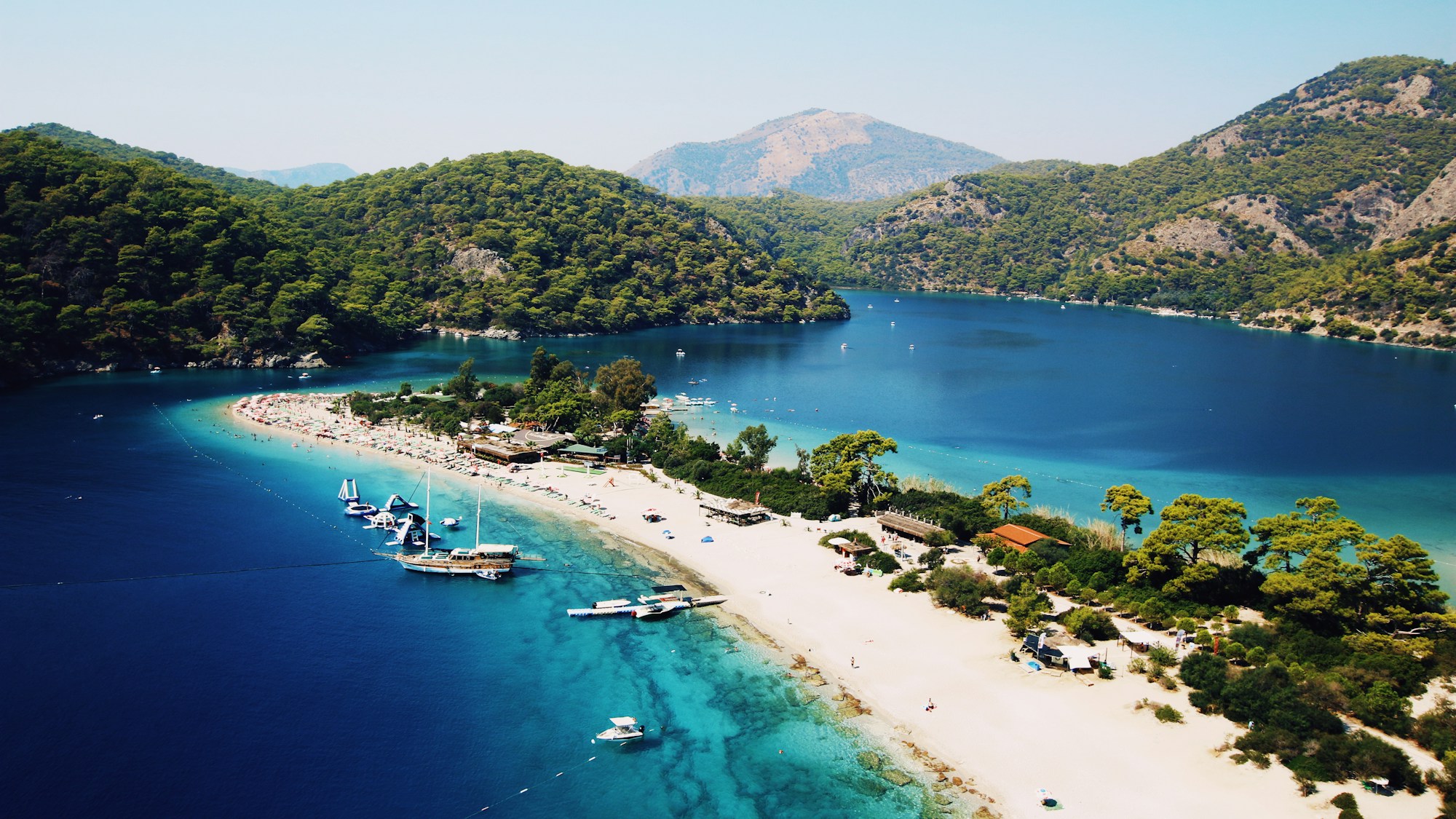
If your primary goal is guaranteed sun and a beach, Antalya is the answer on this list. Late May in Antalya means 28–32°C air temperature, sea at 24–26°C (warm enough to swim all day comfortably), and prices that haven't yet spiked for the Russian and Gulf summer tourism wave that peaks from July. You get peak Mediterranean summer for pre-peak prices.
Antalya isn't just a beach destination. Kaleiçi Old Town is genuinely beautiful — Roman triumphal arch, Hellenistic harbour, Ottoman mansions — and the Archaeology Museum houses one of the finest collections in Turkey. The day trip to Aspendos Roman Theatre (47km, 1hr) is one of the best experiences in the Mediterranean and costs £8 entry.
Athens in late May is close to perfect. The Acropolis is extraordinary in every season, but the late-May light — long evenings, golden hour at 8:30pm — makes the marble glow in a way that photographs don't capture. More importantly: you're not doing it at 38°C with ten thousand other people. May is the Athenian sweet spot.
The food scene in Athens has quietly become one of the best in Europe. The Monastiraki and Psiri neighbourhoods have restaurants doing serious modern Greek cooking at moderate prices — souvlaki from a proper shop costs €3, but a sit-down meal of grilled octopus, dakos, and fresh tzatziki with a carafe of house wine runs €25–30/person at a neighbourhood taverna. The Athens street food game is world-class at under €5.
Malta is possibly the most underrated long-weekend destination in Europe for the British market. It's English-speaking (co-official language), a 3-hour flight, 23–26°C in late May, and contains more UNESCO World Heritage Sites per square kilometre than anywhere else in the world. The megalithic temples predate Stonehenge and the Pyramids. Valletta — the tiny Baroque capital — is one of the most beautifully preserved in Europe. And the swimming in the Blue Lagoon at Comino, the coves at Golden Bay, the crystal-clear water around the Azure Window ruins: Malta's coastline punches well above its size.
Albania is the most-searched "emerging European destination" of 2026 — the viral TikTok format "this looks like Greece but nobody knows about it" is driving search interest up hundreds of percent year-on-year. It's not hype. The Albanian Riviera has Ionian-blue water, dramatic hillside villages, and genuinely excellent food — at prices that would make a Greek island cry. A seafood dinner that costs €40 in Santorini costs €10 in Himara.
Tirana (the capital) is an underrated city break in its own right — a peculiar, colourful, surprisingly vibrant mix of communist-era Brutalist architecture painted in bright colours, mountains visible from the centre, and a café culture that starts at 7am and doesn't really stop. The National Historical Museum and the BunkArt bunker (a communist-era nuclear bunker turned museum) are both exceptional. For beaches, Durrës is 35 minutes by rail from Tirana.
If the primary goal is to spend as little money as possible while having an excellent time, Belgrade is the answer. A beer is £1.10. Dinner for two at a sit-down restaurant — proper food, not tourist food — runs €20–25 with wine. The city's legendary floating club barges (splavovi) on the Sava and Danube rivers operate until 8am. Belgrade has one of the most acclaimed nightlife scenes in Europe and it costs a fraction of Berlin or Amsterdam.
Beyond the clubs: the Kalemegdan Fortress is dramatic and free. The Skadarlija bohemian quarter has exactly the right amount of tourist infrastructure (enough to find good food and music, not enough to feel staged). The Museum of Yugoslav History — where Tito is buried — is genuinely fascinating for anyone interested in 20th-century history.
Barcelona is the most expensive city on this list — and the most obvious. We're including it anyway because late May specifically is the best time to visit: the Barceloneta beach is warm enough to use (21–23°C water), the tourist crush of July–August hasn't arrived, and the city is doing what it does best — functioning as one of the world's most beautiful cities with a functioning local life still intact alongside the tourism.
The Sagrada Família is non-negotiable (book online, €26, the interior is unlike anything in architecture). Park Güell (€13, book early slots). El Born neighbourhood for tapas that aren't tourist-priced. The Picasso Museum. A Sunday evening at the Parc de la Ciutadella watching people share wine and guitars. Barcelona in late May is exactly what it should be.
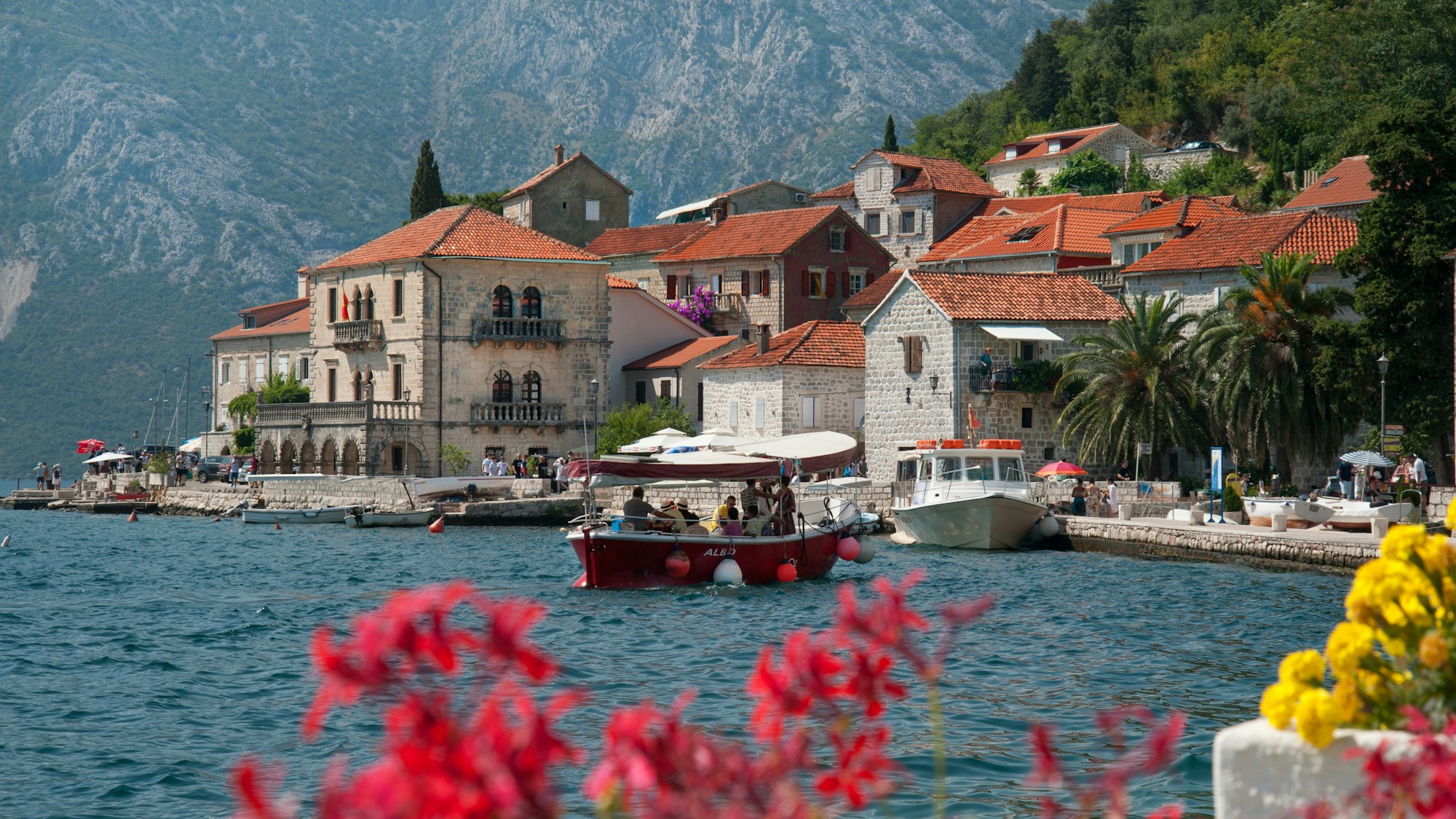
The Bay of Kotor — a fjord-like inlet surrounded by 1,800-metre limestone mountains — is one of the most dramatic landscapes in Europe, and in late May you can walk the 1,350 steps to the fortress above the medieval town without sharing it with the cruise ship crowds that descend from June. May is the perfect Kotor window.
Three days: Day 1 — Kotor Old Town walk, fortress at sunrise. Day 2 — drive the bay circuit to Perast, boat to Our Lady of the Rocks, evening in Kotor after the cruise passengers leave (the town transforms). Day 3 — Lovćen National Park and Njegoš Mausoleum: panoramic views across the entire country, one of the most dramatic vistas in the Balkans.
Palermo is the most underrated city on this entire list and, candidly, one of the most underrated in Europe. It gets a fraction of the British tourist traffic of Rome or Florence while offering food that's arguably better (the Arab-Norman street food tradition — arancini, panelle, sfincione, fresh swordfish from the Ballarò and Vucciria markets) and a history more layered than most (Greek, Roman, Arab, Norman, Spanish — all still present in the architecture).
The Palatine Chapel inside the Norman Palace is one of the greatest interiors in the world — Byzantine mosaics covering every surface, gold on gold on gold, built in 1132. It costs €12 and is often half-empty. The Catacombe dei Cappuccini (8,000 preserved bodies displayed in their clothes over 400 years of church use) is one of the strangest and most memorable places in Europe. This city is extraordinary and almost nobody on your street has been there.
All 12 at a Glance
Sort by what matters to you — flight cost, daily spend, weather
| Destination | Return flights | Hotel/night | Daily spend | Temp (late May) | Best for |
|---|---|---|---|---|---|
| Belgrade | £60–100 | £30–55 | €30–45 | 18–22°C | Cheapest + nightlife |
| Albania (Tirana) | £70–120 | £30–55 | €30–45 | 22–26°C | Trending + cheapest beach |
| Budapest | £55–90 | £45–75 | €40–60 | 18–22°C | Culture + ruin bars |
| Palermo | £65–110 | £45–80 | €40–60 | 24–27°C | Most underrated |
| Seville | £65–110 | £55–90 | €40–65 | 26–28°C 🔥 | Best weather + culture |
| Porto | £55–100 | £50–80 | €45–65 | 20–23°C | Weekend culture |
| Malta | £75–120 | £55–85 | €50–70 | 23–26°C | History + swimming |
| Antalya | £80–130 | £55–90 | €50–75 | 28–32°C 🔥 | Best beach + value |
| Kotor | £80–130 | £50–90 | €55–80 | 22–26°C | Scenery + UNESCO |
| Athens | £70–120 | £60–95 | €55–80 | 24–27°C | History + food |
| Split | £70–120 | £60–95 | €55–80 | 22–25°C | Roman history + Adriatic |
| Barcelona | £70–130 | £75–130 | €65–90 | 21–24°C | Everything — best city |
Prices checked May 3, 2026. Flight prices: Skyscanner lowest available from London airports. Hotel: Booking.com mid-range private room.
Last-Minute Booking Survival Guide
How to actually book this tonight without overpaying
Flights — How to Not Get Rinsed
- Use Skyscanner with "whole month" view — see all dates at once. Check Friday 22nd and Saturday 23rd vs. Friday 23rd alone.
- Avoid Ryanair seat selection — unless you're in a group that must sit together, skip it. Check-in online and take the free random seat. Saves £10–25pp.
- Morning flights are cheaper than evening for this destination set — and you gain a half-day on arrival.
- Use an incognito browser when checking prices repeatedly — some booking engines show higher prices on return visits.
- Luton and Stansted often have significantly cheaper departures than Heathrow for the same routes. Worth a 45-minute train.
Hotels — Don't Get Caught
- Booking.com beats Airbnb on short notice for most European cities — more inventory, faster confirmation, and no-surprise cancellation policies.
- Stay away from the "tourist centre" by 2 streets — prices drop 30–40%, noise drops, authenticity rises. Google Maps walking time: 8–12 minutes.
- Check "free cancellation" filters — even if you're committed, free-cancellation rates are often only £5–15 more and protect you from flight changes.
- Avoid booking.com fees — some hotels offer the same or lower price direct. Check the hotel's own website after finding it on Booking.
- 3 nights = Friday–Monday. Book checkout for Tuesday morning if you want a full Sunday night — many properties charge the same for Fri–Mon vs Fri–Sun.
Money & Currency
- Get a Wise or Revolut card before you go — no foreign transaction fees, interbank exchange rate. Saves 2–4% on every transaction vs. your bank card.
- Serbia and Hungary use local currencies — withdraw cash at an ATM on arrival (avoid airport exchange desks). Belgrade especially is very cash-oriented at clubs and small restaurants.
- Turkey and Albania are cheaper in cash — many small restaurants don't take cards, and USD/EUR can be exchanged at excellent rates at local exchangers.
- Don't buy travel insurance from the airline — it's massively overpriced. Compare on Go Compare or Confused.com — a 3-day European policy costs £8–15.
Maximising 3 Days
- Take the first flight out on Friday/Saturday — a 7am departure gives you 3.5 more daylight hours than a noon flight. Worth the early alarm.
- Pre-book one thing per city that has a queue — Acropolis tickets, Sagrada Família, Alcázar. Just one. Everything else, walk up.
- Don't try to see everything. Three days is a neighbourhood, two restaurants, two museums, one evening out, one morning that's unplanned. That's a good trip.
- Get a data SIM or enable roaming before you go — navigating on data-free mode in an unfamiliar city wastes hours. Airalo offers cheap eSIMs for most destinations.
The most important thing: Book tonight. Not because we're telling you to — because flight algorithms and hotel booking systems increase prices as available inventory shrinks. The gap between "booking tonight" and "booking in 5 days" for a May 25 trip is realistically £40–80 per person. The gap between "booking in 5 days" and "booking in 10 days" is larger. The best prices are available right now, this weekend.
Frequently Asked Questions
The questions people are actually typing into Google right now
Albania (Tirana or the Riviera coast) and Belgrade (Serbia) are the cheapest options: €30–45/day on the ground, flights from £60–100 return. For beach destinations, Antalya (Turkey) gives the best value: £80–130 return flights, €50–75/day on the ground, and guaranteed 28–32°C sunshine in late May. For a pure city break under £200 total, Budapest or Palermo (Sicily) are the strongest picks.
No — but book within the next 3–5 days. Prices are rising now as May 25 approaches. Current availability is still strong for most European destinations but the cheapest flight fares and most desirable hotel rooms are filling. The realistic window for reasonable pricing closes around May 8–10. After that, remaining inventory will be priced significantly higher.
Seville (26–28°C, virtually guaranteed sun) and Antalya (28–32°C) are the warmest reliably. Athens (24–27°C), Palermo (24–27°C), and Malta (23–26°C) are all excellent. Even Porto, Barcelona, and Split are pleasantly warm (20–25°C). The northern European city breaks — Amsterdam, Brussels, Paris — are mild and fine for walking but not beach weather (14–18°C).
Malta is exceptional with kids — English-speaking, safe, warm, short flight, and the History of Malta experience in Valletta is one of the best child-friendly cultural experiences anywhere. Antalya works brilliantly for families (resort infrastructure, warm water, beach). Split has beaches and a walled Roman city that genuinely fascinates children. Avoid Belgrade and Palermo for young children — both are wonderful cities but lack family-specific infrastructure.
Realistic options for £200 total (flights + 2 nights accommodation) from London in May 2026: Belgrade (flights ~£70, 2 nights guesthouse ~£60 total = ~£130 possible), Budapest (flights ~£60–80, 2 nights hostel private room ~£70 = ~£150 total), Tirana/Albania (flights ~£75, 2 nights ~£60 = ~£135 possible), Palermo (flights ~£65, 2 nights ~£90 = ~£155 possible). All achievable if you book now.