Crete's Three Regions: Where to Base Yourself
Crete stretches 260km from east to west — the same distance as London to Manchester, or New York to Philadelphia. You cannot see it all in one trip, so the key question is which region to prioritise.
The most beautiful scenery, best beaches (Elafonisi, Balos, Falasarna), the Samaria Gorge, and Chania's extraordinary old harbour. Base: Chania city or a village west of it.
Heraklion, Knossos Palace, Rethymno's Venetian old town. The administrative and archaeological heart of the island. Less spectacular beaches but unmatched historical depth.
Agios Nikolaos, Spinalonga island, Vai palm forest, Sitia. Much less visited, more authentic villages, good beaches without crowds. Perfect for a second Crete trip.
A 2,452m peak range with gorges, remote villages, and walking routes. The Samaria Gorge descends from here to the sea. Essential context for understanding Crete's character.
Chania: The Most Beautiful Town in Greece
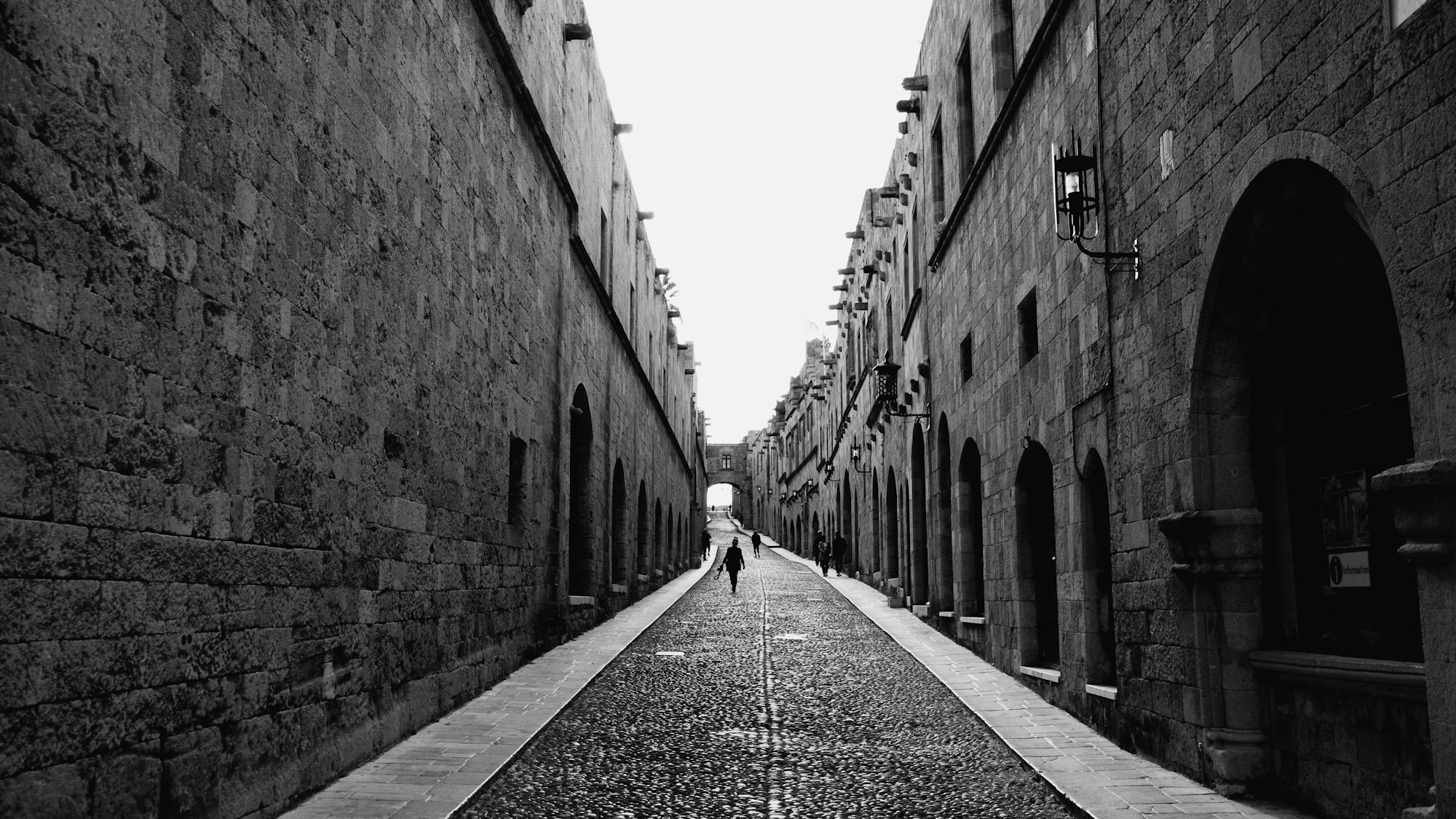
The argument is contestable, but Chania is the most beautiful town in the Greek islands for many visitors — a Venetian harbour ringed with pastel buildings, narrow alleys climbing back from the waterfront, the lighthouse at the harbour mouth, the smell of olive oil from every kitchen.
The Venetian Harbour
Chania was a Venetian possession for 400 years (1252-1645), and the architecture shows it. The harbour is surrounded by buildings from the 16th-17th century — arsenals where Venetian warships were built, the lighthouse, the great mosque from the Ottoman period. The waterfront restaurants are expensive and mediocre; the real Chania is two streets back, in the covered market (Agora) and the alleys climbing toward the Splantzia quarter.
The Old Town (Topanas & Splantzia)
Two distinct old neighbourhoods climb back from the harbour. Topanas (Jewish quarter) has Venetian palaces and restored houses — the most architecturally intact area. Splantzia is more residential, with Ottoman-era wooden balconies, a great morning café square (Plateia 1821), and less obvious tourist infrastructure. Walk both without a plan, stopping wherever looks interesting.
The waterfront restaurants in Chania are a tourist tax — mediocre food, premium prices, the view. For actual Cretan food at real prices, walk to Splantzia quarter: Tamam (former hammam turned restaurant), Apostolis (fish taverna on the outer harbour), Bougatsa Iordanis (try the cheese-filled pastry, €2, for breakfast).
Heraklion & Knossos Palace
Heraklion is Crete's capital and largest city — a real working city with a functioning port, good museums, and Knossos Palace 5km away. It is not as immediately beautiful as Chania, but the archaeological and museum depth here is unmatched in the Aegean.
Knossos Palace
The throne room of the Minoan civilisation — Europe's first advanced civilisation, flourishing here 3,500 years ago. Knossos was a city-palace of extraordinary complexity: multi-story buildings, indoor plumbing, elaborate frescoes, a labyrinthine layout that gave rise to the Minotaur myth. The site was heavily (controversially) reconstructed in the early 20th century by Arthur Evans, giving it a more vivid visual impact than most ancient sites. Allow 2-3 hours; hire an audio guide (€5) or guide (€15-20 group). Tickets €15; combined with Heraklion Archaeological Museum €22.
Heraklion Archaeological Museum
One of the great museums of the ancient world — the definitive collection of Minoan artefacts: the Snake Goddess figurines, the Phaistos Disc (undeciphered writing from 1700 BC), the Harvester Vase, the extraordinary Bull Leaping fresco from Knossos. Plan 2 hours. The museum is excellent and often uncrowded in the morning.
The Best Beaches in Crete
Crete has several beaches among the best in Europe — dramatic, accessible, and with genuinely good water. The west coast is where the most famous ones are.
Elafonisi
Pink-white sand, shallow lagoon, turquoise water. Widely considered one of the best beaches in Europe — and the crowds in July-August reflect this. The water is shallow (1-2m deep for 200m from shore), warm, and extraordinary in colour. Arrive before 10am in summer for a parking space and beach access. The pink sand comes from crushed coral and shell fragments. Located at the far southwest of Crete (1.5 hours from Chania); a car is required.
Balos Lagoon
Accessible by boat from Kissamos (45 minutes, €20 return) or by rough 4km dirt road from the north. A blue-white lagoon with views across to the Gramvousa peninsula. The boat approach gives the best view — arriving from the sea, the white sand and turquoise water looks almost unreal. Less sandy than Elafonisi but more dramatic. Arrive early or by first boat; midday is extremely crowded in summer.
Preveli Beach
A beach with a river — freshwater from the Kourtaliotiko Gorge meets the Libyan Sea, with palm trees (a natural palm forest) and dramatic cliff surroundings. Access via a steep path (20 minutes down). One of the most distinctive beaches in Greece. Located south of Rethymno.
Falasarna
A long, wide beach on the northwest coast — facing west for spectacular sunsets, consistently voted one of Greece's cleanest beaches. Less famous than Elafonisi, so more space and easier parking. Ancient Falasarna archaeological site nearby (free to visit).
The Samaria Gorge: Europe's Longest
The Samaria Gorge is 16km of walking through a mountain canyon, descending 1,200m from the Omalos plateau to the Libyan Sea village of Agia Roumeli. It is one of the great hikes of Europe: limestone cliffs hundreds of metres high, a rushing river (seasonal), the narrowest section (the Iron Gates, 3m wide), and an abandoned village halfway through.
Logistics: The gorge is one-way south (Omalos to Agia Roumeli). You need transport to Omalos (buses from Chania, €7) and a boat back from Agia Roumeli to either Hora Sfakion or Sougia (€15-20), where buses return to Chania. KTEL Chania organises full-day tours from Chania (€25-30 including bus + boat). Allow 4-6 hours for the hike itself; 10-12 hours for the full day trip. The gorge is open early May to late October. Start early — the gates close at 3pm for safety reasons, and you need 3+ hours minimum.
Cretan Food: The Best Cuisine in Greece
The Cretan diet is one of the reasons for the island's extraordinary longevity statistics — high olive oil consumption, wild herbs, pulses, goat dairy, and fish. The food is exceptional, and eating well in Crete does not require expensive restaurants.
- Dakos: Cretan bruschetta — twice-baked barley rusk soaked in tomato juice, topped with grated tomato, mizithra cheese, olives, oregano, and olive oil. The perfect lunch for €6-8.
- Kalitsounia: Small fried or baked pastries filled with fresh mizithra cheese, wild greens (horta), or honey. Breakfast food, available at bakeries. €1-2 each.
- Lamb with stamnagathi: The island's signature dish — slow-cooked lamb with wild mountain greens (stamnagathi, a type of chicory). Bitter, earthy, extraordinary.
- Graviera cheese: Aged sheep's milk cheese — sweeter and milder than regular gruyère. Protected designation; the Cretan version (from sheep that graze on wild herbs) is regarded as the best. Buy from a market, not a tourist shop.
- Sfakian pie: A pan-fried cheese-filled pastry with honey, from the Sfakia region. Perfect at a roadside stop after the Samaria Gorge.
- Cretan wine: Vilana (white, aromatic), Kotsifali and Mandilari (reds) — local grape varieties rarely found outside Crete. Order house wine — it will be local and good.
Getting There & Car Hire
Flights: Heraklion (HER) and Chania (CHQ) both receive direct flights from Athens (45-55 minutes) and European cities. Flying into Chania is better if you plan to focus on the west; Heraklion for the centre and east.
Ferry: Overnight ferries from Athens Piraeus (9-10 hours, €40-65 deck class) arrive at both Heraklion and Chania. The overnight sailing is a classic Greek experience — you arrive rested, having spent the night on the water.
Car hire: Essential beyond the main cities. Heraklion and Chania airports have all major rental companies; booking online in advance is significantly cheaper than at the desk. €30-45/day in May-June; €55-80/day in July-August. Book 2+ weeks ahead for summer — quality vehicles sell out.
Crete Real Costs: 2026
| Item | Low Season (May/June/Sept) | High Season (July/Aug) |
|---|---|---|
| Hotel (central, double) | €60-100 | €90-160 |
| Boutique hotel (Chania Old Town) | €110-180 | €180-300 |
| Car rental (daily) | €30-45 | €55-80 |
| Taverna main course | €10-16 | €12-20 |
| Dakos (lunch) | €6-9 | €7-11 |
| Samaria Gorge entrance | €5 | €5 |
| Knossos entry | €15 | €15 |
| Ferry from Athens (deck class) | €40-60 | €50-70 |
Field prices verified June 2026. Crete is significantly cheaper than Santorini and Mykonos for equivalent quality.