In This Guide
Toulouse & the Languedoc
The Pink City—where aerospace meets ancient streets
Toulouse is France's fourth-largest city, but it feels like an overgrown town—compact, friendly, and bathed in the rosy glow of its signature brick architecture. The "Pink City" (La Ville Rose) sits where the Garonne River bends through southwestern France, a crossroads of cultures that has produced a unique blend of Occitan heritage, aerospace innovation, and youthful energy. In August 2026, Toulouse will be buzzing with the energy of summer festivals, outdoor dining along the riverbanks, and a student population that keeps the bars and cafés lively late into the warm evenings.
The city's nickname comes from the warm pink-orange brick that dominates its architecture—a material that glows spectacularly at sunset. From the monumental Capitole (city hall) to the Basilica of Saint-Sernin, the largest Romanesque church in Europe, Toulouse wears its history proudly. But it's not stuck in the past: this is the headquarters of Airbus, the European Space Agency's primary center, and one of France's most dynamic tech hubs. The contrast between medieval streets and space-age industry creates a fascinating urban personality.
Toulouse is the capital of Occitanie, the region that stretches from the Pyrenees to the Mediterranean, encompassing the Languedoc vineyards, the Cathar castles, and the wild landscapes of the Gers. The city serves as the gateway to this diverse territory while maintaining its own distinct culture. The Occitan language still appears on street signs, the local accent is famous throughout France, and the cuisine blends elements of Mediterranean and mountain traditions—duck confit and cassoulet exist alongside seafood and olive oil dishes.
August is peak summer: hot (25-32°C), sunny, and filled with the rhythms of outdoor life. The terraces of Place du Capitole and along the Garonne are packed from late afternoon until midnight. The Canal du Midi, which terminates in Toulouse, fills with boats and cyclists. It's the perfect time to explore the city slowly, alternating between air-conditioned museums and sun-drenched café terraces. Book accommodation well ahead—August is festival season and the city fills with visitors.
Disclosure: Tour links are affiliate links. We earn a small commission at no extra cost to you.
Disclosure: These are affiliate links. We earn a small commission at no extra cost to you.
Disclosure: Some links are affiliate links. We earn a small commission at no extra cost to you. We only recommend services we use and trust.
Getting There & Around
TGV connections, airport access, and the Metro
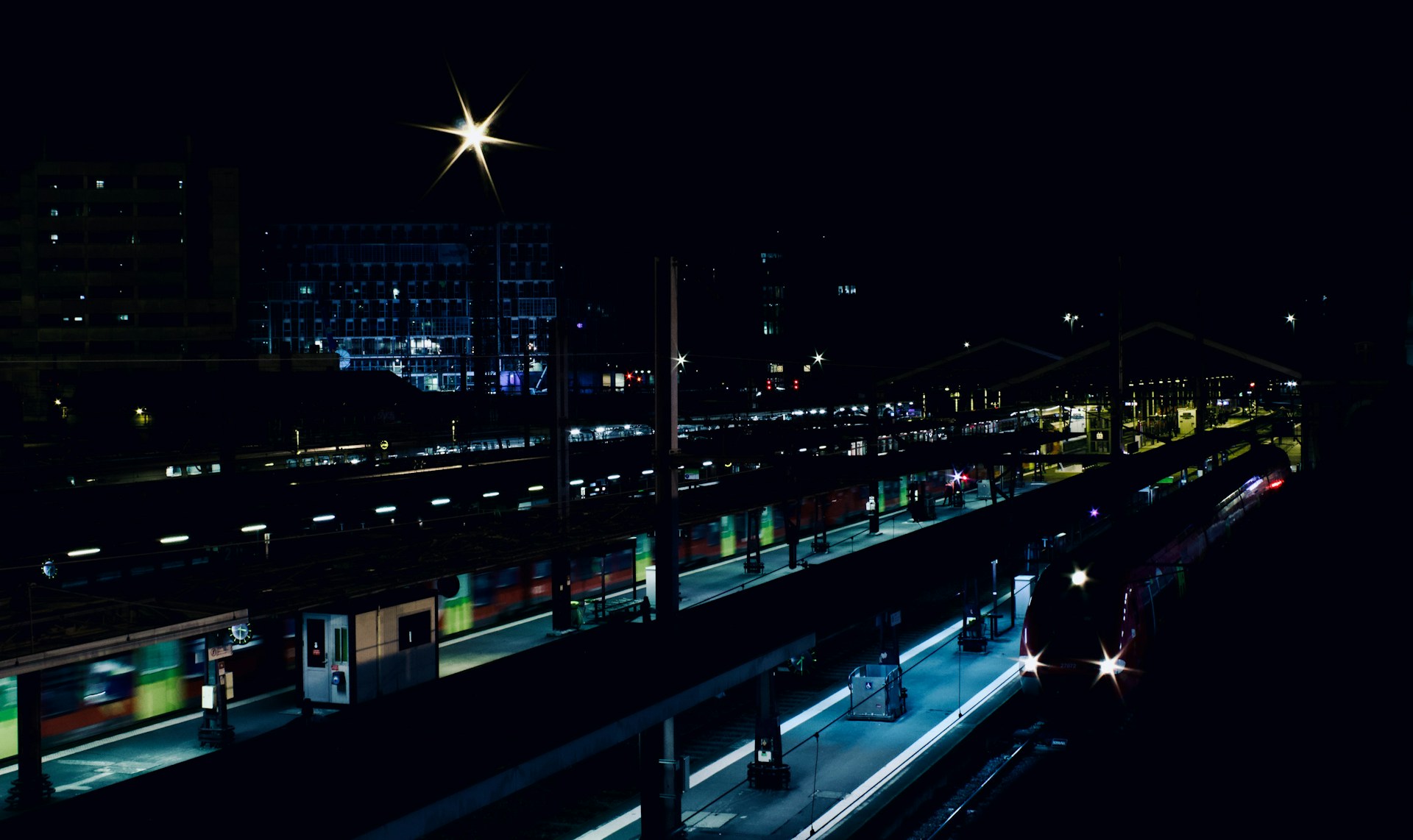
By Train: The TGV from Paris reaches Toulouse in about 4 hours (from €25 if booked early), often with a change in Bordeaux. The journey through the rolling landscapes of southwestern France is pleasant, though not as dramatic as the Alpine or coastal routes. Direct trains connect to Bordeaux (2 hours), Montpellier (2h30), Barcelona (3 hours), and Lyon (4 hours). The Matabau train station is a 10-minute walk from the Capitole and the main hotels. It's a manageable station with clear signage and good onward connections.
By Air: Toulouse-Blagnac Airport (TLS) is 15 minutes from the center by tram or shuttle bus (€8, 30 minutes). It's a major hub with flights from Paris (1h15), London (1h45), and major European and international cities. The airport is well-organized and modern, reflecting the city's aerospace industry. For August visits, book flights 2-3 months ahead as this is peak tourist and festival season. The tram (Line T2) connects the airport directly to the city center—convenient and affordable.
Local Transport: Toulouse has an efficient Metro system (driverless VAL trains) with two lines covering the main areas (€1.70 per ride, €5.70 day pass). The historic center is walkable—the Capitole, the river, and the main museums are all within a 20-minute stroll. The Tisséo bus network serves suburbs and outer areas. Bikes can be rented from the VélôToulouse system (first 30 minutes free). You won't need a car for city sightseeing; parking is expensive and the center is pedestrianized.
Walking the Pink City: Toulouse rewards pedestrians. The brick architecture is best appreciated at walking speed—the subtle color variations, the ornate window frames, the hidden courtyards behind heavy wooden doors. The Garonne riverbanks offer kilometers of walking paths. The Canal du Midi is perfect for flat, shaded strolls. The old town (Vieux Toulouse) is entirely pedestrianized. Wear comfortable shoes for the cobblestones.
Where to Stay
Capitole grandeur, Carmes charm, and St-Cyprien authenticity

Capitole & Vieux Toulouse: The area around the Capitole (city hall) and the old town is the heart of Toulouse. Staying here puts you at the center of the action—the square's cafés, the cathedral, the river, and the main restaurants all within minutes. The Grand Hôtel de l'Opéra is a classic luxury choice overlooking the Capitole (€150-220/night). For boutique charm, Le Pavillon des Lettres offers stylish rooms in a converted mansion (€100-140). The Hôtel Albert 1er is a reliable mid-range option near the train station and walking distance to the center (€80-110).
Carmes: This neighborhood south of the Capitole has a village feel—narrow streets, small squares, and a mix of students, young professionals, and old-timers. It's quieter than the center but still walking distance to everything. The Hôtel des Beaux Arts occupies a historic building with a courtyard garden (€90-130). Restaurants and bars here are more local than touristy; it's where Toulousains go for casual evenings. The covered market on Place des Carmes is excellent for food shopping.
St-Cyprien: Across the Garonne from the center, this working-class neighborhood has transformed into one of Toulouse's coolest areas. Street art, trendy bars, and a diverse population give it an edgy, authentic vibe. The Hôtel Riquet is modern and well-located near the metro (€70-100). It's less polished than the right bank but offers better value and a glimpse of real Toulouse life. The Sunday market on Place du Busca is a local institution.
Budget Options: Toulouse is affordable by French city standards. The Hôtel F1 and Première Classe chains offer basic rooms from €50-70/night on the outskirts (metro accessible). The city's youth hostels are excellent—the Hôtel Riquet has private rooms at hostel prices. Airbnb is well-developed with entire apartments from €60-80 in August. Prices rise during festival weekends; book early for August stays.
Daily Costs
Southwestern value in a dynamic city
Budget Explorer: €60-85/day. Stay at a budget hotel or hostel (€50-70/night), eat at university-area cafés and bakeries (€12-18/day), walk everywhere, visit free museums (many are free on first Sundays), and enjoy the riverbanks and parks. Toulouse's outdoor spaces—the Garonne quays, the Jardin des Plantes, the canal—cost nothing and are highlights. August is festival season with many free events. Total: €420-595/week.
Mid-Range Comfort: €130-180/day. Hôtel in the center or Carmes (€90-130/night), restaurant lunch with local wine (€18), proper dinner featuring cassoulet or duck (€30-40), museum entries (€20 total), and miscellany. This tier lets you enjoy Toulouse's gastronomy and culture fully. The value is excellent—expect to pay 30% less than Paris for equivalent experiences. Total: €910-1,260/week.
Luxury Experience: €280-400/day. Stay at the Grand Hôtel de l'Opéra (€150-220/night), dinner at a Michelin-starred restaurant like Le Genty Magre (€80-120), private tour of the Airbus factory (€25), spa treatments, and shopping in the upscale boutiques of the center. Toulouse's luxury tier is developing but offers good value compared to Paris or Lyon. The aerospace tours and space center visits are unique luxury-adjacent experiences. Total: €1,960-2,800/week.
Saving Money in Toulouse: Many museums are free on the first Sunday of each month. The city center is walkable—save on transport costs. Eat lunch at the covered markets (Marché des Carmes, Marché Victor Hugo)—food stalls offer excellent value. August brings free concerts and events for the festival season. The Canal du Midi and riverbanks are free recreation. Avoid the most touristy restaurants on Place du Capitole; walk a few streets for better value.
Top Things to Do
Capitole grandeur, Romanesque churches, and space age

Capitole de Toulouse: This monumental city hall dominates the main square and serves as Toulouse's living room. The neoclassical facade stretches 128 meters, with eight pink marble columns framing the entrance. Inside, the Salle des Illustres (Hall of the Illustrious) displays 19th-century paintings depicting the city's history—free to enter and essential for understanding Toulouse's self-image. The square itself is the social heart: café terraces, street performers, and locals strolling in the evening. Visit at sunset when the pink brick glows, then stay for dinner at one of the surrounding restaurants.
Basilica of Saint-Sernin: The largest Romanesque church in Europe, this UNESCO World Heritage site was a major stop on the pilgrimage route to Santiago de Compostela. The exterior shows the characteristic Toulouse brick, while the interior reveals a soaring nave and intricate carvings. The crypt contains relics and a peaceful atmosphere. The church's five-tiered bell tower dominates the skyline. Free entry (donations appreciated); the guided tours (€5) explain the architecture and pilgrimage history. The surrounding square hosts one of Toulouse's best markets on weekends.
Cité de l'Espace: Toulouse is the European aerospace capital, and this theme park celebrates that heritage. Full-scale models of Ariane rockets, the Mir space station, and satellites fill the park. The IMAX theater shows space documentaries, and the planetarium offers immersive shows. It's educational but genuinely thrilling—adults love it as much as children. Allow 3-4 hours. Entry is €30 (book online for discounts). Take the bus or tram from the center (30 minutes) as parking is limited.
Canal du Midi & Riverbanks: The Canal du Midi, a UNESCO World Heritage site, terminates in Toulouse. The tree-lined towpath is perfect for walking or cycling—flat, shaded, and peaceful. The Port de l'Embouchure, where the canal meets the Garonne, is particularly picturesque. The Garonne riverbanks have been transformed into a linear park with walking paths, cafés, and views of the dome of the Hôtel-Dieu Saint-Jacques. The evening passeggiata along the river is a local tradition—join the crowds strolling as the sun sets over the water.
Couvent des Jacobins: This 13th-century Dominican convent houses one of the most extraordinary architectural spaces in France—the "palm tree" vault of the church, where ribs of stone spread like branches from a central column. The complex also includes a cloister and a museum. The serenity contrasts with the busy streets outside. Entry is €5; free for under 18. It's a 5-minute walk from the Capitole but often overlooked by tourists rushing between the major sights.
Food Scene
Cassoulet country and southwestern specialties
Toulouse's cuisine is unapologetically hearty—the land of cassoulet, confit de canard, and saucisse de Toulouse. These are dishes developed to sustain farmers and artisans through hard work, not delicate Parisian fare. But Toulouse is also a major food city with excellent restaurants at every price point, from Michelin-starred temples to student bistros. The ingredients are exceptional: duck and goose from the Gers, cheese from the Pyrenees, wine from nearby Fronton and Gaillac, and produce from the surrounding farmland.
Local Specialties: Cassoulet—the legendary bean and meat stew, slow-cooked for hours with duck confit, sausage, and pork. Each restaurant has its secret recipe. Confit de canard—duck leg preserved in its own fat, then crisped in a pan; served everywhere. Saucisse de Toulouse—the city's signature sausage, essential for cassoulet but also grilled and served with lentils. Foie gras—the region produces some of France's finest, available fresh or preserved. Carcassonne—a local brandy, not the fortified wine of the same name. And Violet de Toulouse—candied violets, a traditional sweet.
Where to Eat: For cassoulet, Emile is the institution—served in the same family since the 1940s, in a historic building near the Garonne (€25-35). For Michelin-starred dining, Le Genty Magre offers modern interpretations of southwestern cuisine (€80-120). Le Colombier serves traditional Toulousain dishes in a beautiful setting with courtyard dining (€30-50). For something casual, the covered markets have food stalls serving excellent value—grab a plate of cassoulet or duck confit at the counter (€12-18).
Markets & Shopping: The Marché Victor Hugo is the largest covered market, open daily with exceptional produce, meats, and prepared foods. The Marché des Carmes (Tuesday-Sunday) has a more artisanal focus. The boulangeries of Toulouse are excellent—try a pain de campagne or the local fougasse (a flatbread often flavored with olives or herbs). For a food souvenir, buy a jar of cassoulet mix or a can of confit de canard from a charcuterie.
Day Trips
Carcassonne, Albi, and the Pyrenees foothills
Carcassonne: Just over an hour by train or car, this medieval fortress city is one of Europe's most spectacular. The walled citadel (Cité) with its towers and ramparts looks like a fairy tale. The newer town (Bastide) below offers restaurants and markets. It's touristy but genuinely impressive—spend a day walking the walls, visiting the castle, and exploring the cobbled streets. June and September are less crowded than July-August. The train from Toulouse is direct and comfortable.
Albi: An hour northeast, this is Toulouse's sister city in the Occitan region. The Sainte-Cécile Cathedral is a masterpiece of Southern Gothic, built entirely of brick like Toulouse's buildings. The Toulouse-Lautrec Museum, housed in the bishop's palace, holds the world's largest collection of the artist's work—he was born here. The old town is a UNESCO site with narrow streets and hidden courtyards. Combine with a visit to the nearby Gaillac wine region for tastings.
Pyrenees Mountains: An hour and a half south, the mountains offer hiking, waterfalls, and cooler temperatures than the city. The village of Saint-Bertrand-de-Comminges has a Romanesque cathedral and Gallo-Roman ruins. The Col de Peyresourde is a famous Tour de France climb with dramatic views. In summer, the mountain lakes are perfect for swimming and picnicking. A car is essential; the drive itself is spectacular as you leave the plains and enter the foothills.
Practical Tips
Navigating the Pink City like a local
Festival Season: August in Toulouse means festivals. The Rio Loco festival (June) brings world music to the banks of the Garonne. The Festival de Jazz sur son 31 fills venues across the city. The Toulouse les Orgues festival celebrates the city's exceptional organs with concerts in historic churches. Many events are free. Check the city's tourism website for the current program. Book accommodation well ahead for festival weekends—prices spike and availability vanishes.
Airbus Factory Tour: For aviation enthusiasts, the Aeroscopia museum and Airbus factory tour are must-dos. See where A350s and A380s (production now winding down) are assembled. Tours must be booked in advance through the official website (€25-40 depending on the tour level). The museum includes historic aircraft including a Concorde. It's located near the airport; combine with your arrival or departure to save transport time. Photography is restricted inside the factory.
Dealing with the Heat: August in Toulouse is hot (25-32°C) and can be humid. Plan your days around the heat: do outdoor sightseeing in the morning, retreat to air-conditioned museums or cafés during the midday hours (12-4pm), and resume activity in the evening when the city comes alive. The Garonne riverbanks offer some breeze; the shaded Canal du Midi is cooler than the streets. Drink plenty of water and seek out the misting systems that many outdoor cafés deploy.
Language & Etiquette: While French is universal, you'll see Occitan on street signs and hear the local accent, which has a distinctive singsong quality. English is widely spoken in tourist areas, but attempting French is appreciated. Toulouse is more relaxed than Paris—the pace is slower, the people friendlier. Tipping is not obligatory (service is included), but rounding up or leaving €2-3 for good service is appreciated. The evening passeggiata is a ritual—join locals strolling the Capitole and riverbanks after dinner.
Frequently Asked Questions
Is Toulouse worth visiting compared to Paris?
+Absolutely—though it's a completely different experience. Paris is grand, historic, and overwhelming; Toulouse is human-scale, youthful, and approachable. The food is heartier and more authentic southwestern French, the prices are 30% lower, and the atmosphere is more relaxed. You won't find the Louvre or Eiffel Tower, but you will find exceptional Romanesque architecture, a vibrant student culture, and some of France's friendliest locals. It's best as a complement to Paris or as a base for exploring the southwest, rather than a replacement.
How many days should I spend in Toulouse?
+Two to three days is ideal for the city itself—enough to see the Capitole, Saint-Sernin, the Jacobins, the space museum, and enjoy several meals. With four days, add a day trip to Carcassonne or Albi. Toulouse works well as a base for exploring Occitanie; it's well-connected by train and has better dining and nightlife than the smaller towns. Don't try to rush through in a single day; the city's charm is in its atmosphere as much as its sights.
Is August too hot to visit Toulouse?
+August is hot (25-32°C) but manageable with the right approach. The city is designed for heat—shaded squares, air-conditioned museums, and a culture of long lunches followed by evening activity. Locals adapt: they stay indoors during midday, take siestas, and emerge in the cooler evenings. Tourists who try to power through full days of sightseeing will suffer. The canal and river provide some relief. If you're particularly sensitive to heat, visit in late September instead—still warm but significantly more comfortable.
Can I visit Carcassonne as a day trip from Toulouse?
+Yes—it's the perfect day trip. The train takes about 1 hour, and the station is a 20-minute walk or short shuttle from the citadel. Alternatively, drive (1 hour) for more flexibility. A full day allows you to walk the ramparts, visit the castle, explore the town, and have lunch. Don't try to combine Carcassonne with another destination in one day; it deserves the full day. Evening trains return to Toulouse until late, allowing for dinner in the citadel before returning.
What's the difference between Toulouse and Montpellier?
+They're the twin capitals of Occitanie but feel different. Toulouse is larger, more industrial (aerospace), with a more pronounced southwestern identity—think cassoulet and brick architecture. Montpellier is smaller, younger (huge student population), more Mediterranean in feel, with a coastline nearby. Toulouse has better connections to the Pyrenees and Carcassonne; Montpellier has easier beach access. Toulouse feels more working-class and authentic; Montpellier feels more polished and cosmopolitan. Both are excellent—Toulouse for history and aerospace, Montpellier for beaches and youthful energy.