In This Guide
Montpellier & the Mediterranean
France's youngest city basks in southern sunshine
Montpellier is France's most surprising city—a vibrant university town that feels more Barcelona than traditional France. With one-third of its population under 30, this is a place where innovation thrives, where medieval alleyways coexist with futuristic architecture, and where the Mediterranean lifestyle is lived with genuine enthusiasm rather than tourist performance. In August 2026, the city slows down as locals escape the heat, leaving visitors to enjoy quiet streets, empty trams, and restaurants that don't require reservations.
The city's historic center, l'Écusson, is a maze of narrow medieval streets that suddenly open onto elegant squares lined with mansions and outdoor cafés. Unlike many French cities, Montpellier escaped the industrial revolution largely intact—its center contains more buildings from the 17th and 18th centuries than almost anywhere else in France. But it's not a museum: the universities bring constant energy, the street art scene is dynamic, and the city has embraced contemporary architecture with buildings like the Antigone district's neoclassical grandeur and the futuristic Hôtel de Région.
Montpellier sits just 10km from the Mediterranean, with easy access to some of France's finest beaches. The city itself has no beach, which has historically kept mass tourism away—while Nice and Cannes fill with summer crowds, Montpellier remains comparatively relaxed. The nearby coast includes the wild dunes of Espiguette, the elegant resort of Palavas-les-Flots, and the spectacular lagoons of the Étang de Thau, famous for oysters and flamingos.
August is the hottest month—expect 28-32°C and intense Mediterranean sun. Many local businesses close for the first two weeks of August as residents flee to the mountains or coast, but tourist infrastructure remains open. The trick is to adopt the local rhythm: slow mornings, siesta during the midday heat, then re-emerge at 6pm when the city comes alive again for apéritif and dinner at 9pm or later. This is southern living at its most authentic.
Disclosure: Tour links are affiliate links. We earn a small commission at no extra cost to you.
Disclosure: These are affiliate links. We earn a small commission at no extra cost to you.
Disclosure: Some links are affiliate links. We earn a small commission at no extra cost to you. We only recommend services we use and trust.
Getting There & Around
Trains, trams, and reaching the Mediterranean
By Train: Montpellier is exceptionally well-connected. The TGV from Paris Gare de Lyon reaches Montpellier Saint-Roch in just 3 hours 10 minutes (from €35 if booked early). High-speed trains also connect directly to Barcelona (3 hours), Marseille (1h30), and Lyon (2 hours). The Saint-Roch station is a 10-minute walk from the historic center. The new TGV station at Montpellier Sud de France, 10km south, handles some services but requires a tram connection. Train travel is the easiest way to reach Montpellier—the stations are central and the city is immediately accessible.
By Air: Montpellier Méditerranée Airport (MPL) is 8km southeast of the city center, served by flights from Paris (1h15), London (2 hours), Amsterdam (2h10), and major European hubs. It's a small, efficient airport with minimal queues. The Airport Shuttle bus (€6.50) runs to Place de l'Europe in the city center every 30 minutes; taxis cost €25-30. August flights should be booked 6-8 weeks ahead for best fares. The airport has none of the chaos of larger hubs—you can arrive 90 minutes before an international flight and feel relaxed.
Tram & Bus: Montpellier's tram system is futuristic and excellent—four lines cross the city in sleek, streamlined vehicles. A single ticket costs €1.60; a 24-hour pass is €4.30. The trams are spotless, air-conditioned, and frequent (every 3-5 minutes during the day). The city is also extremely bike-friendly with extensive cycle lanes and the Vélomagg bike-share system (€1/day subscription, first 30 minutes free). Buses fill the gaps for reaching the beaches and outlying areas. Public transport is the best way to get around—the historic center is largely pedestrianized and driving is frustrating.
To the Beach: While Montpellier itself has no beach, the Mediterranean is easily accessible. Bus 131 runs from Place de l'Europe to Palavas-les-Flots and Carnon (30 minutes, €1.60). For the wilder, more beautiful beaches at l'Espiguette near Le Grau-du-Roi, take a train to Aigues-Mortes (40 minutes) then a taxi or seasonal shuttle. The beaches closest to Montpellier (Palavas, Carnon) are convenient but not spectacular—travel 30 minutes further for crystal-clear water and wild dunes.
Where to Stay
From medieval mansions to modern design

Écusson (Historic Center): The old town is the obvious choice for first-time visitors. Narrow streets, hidden squares, and the city's best restaurants are all within walking distance. Hôtel des Arceaux is a charming boutique hotel in a 17th-century building with a courtyard garden—an oasis of calm in the center (€110-150/night). For luxury, Domaine de Verchant is a converted wine estate just outside the city with spa, pool, and vineyard views (€250-400). August is surprisingly affordable in the center as locals leave—expect 20-30% lower prices than July.
Antigone & Port Marianne: These modern districts southeast of the center offer a complete contrast—wide avenues, contemporary architecture, and the riverfront promenade. They're quieter at night but provide easy access to the beach via tram line 3. Hôtel Pullman Montpellier Centre has a rooftop pool with city views and direct tram access (€140-190). The area around Place de l'Europe has numerous chain hotels and apartments, often with parking—practical if you have a car for day trips (€90-130).
Beaux-Arts: This bohemian neighborhood south of the center is where locals actually live and socialize. Independent cafés, vintage shops, and the city's best nightlife make it ideal for longer stays or travelers seeking authenticity over tourist infrastructure. Les 4 Étoiles is a friendly guesthouse with kitchen access and local tips (€80-110). You're a 15-minute walk from the center but immersed in genuine Montpellier life.
Budget Options: Montpellier is a student city with excellent value accommodation. The Auberge de Jeunesse (HI hostel) near the Odysseum tram stop is modern, spotless, and has both dorms and private rooms (€22-30 dorms, €60-80 privates). Numerous budget hotels cluster near the station—Hôtel du Parc is clean, simple, and central (€65-90). August is the best time for deals as students have left and locals are on vacation.
Daily Costs
The Languedoc offers better value than the Riviera
Budget Explorer: €60-85/day. Stay at the hostel or a budget hotel (€65-85/night), eat at student cafés and North African bakeries (€10-14/day), use the tram day pass (€4.30), and enjoy free attractions—wandering the Écusson, the Porte du Peyrou, and the beach cost nothing. Montpellier is one of France's most affordable cities, especially in August when accommodation prices drop. Total: €420-595/week.
Mid-Range Comfort: €130-180/day. Boutique hotel in the Écusson or Antigone (€100-140/night), tram day passes, restaurant lunch (€15-18), nice dinner with local wine (€30-40), beach day with lunch (€20), and miscellany. This tier lets you enjoy Montpellier fully—exploring museums, dining well, and taking day trips without financial stress. The Languedoc is significantly cheaper than Provence or the Riviera. Total: €910-1,260/week.
Luxury Experience: €280-400/day. Stay at Domaine de Verchant or the Hôtel de Paris (€200-300/night). Dinner at a Michelin-starred restaurant—Le Jardin des Sens or La Réserve Rimbaud (€80-120 per person). Private wine tasting in the Pic Saint-Loup region with a driver (€200). Spa treatments and poolside relaxation at a luxury hotel. August luxury is particularly good value as the city quiets down and hotel rates become negotiable. Total: €1,960-2,800/week.
Saving Money in Montpellier: The city is already budget-friendly, but you can optimize further. Eat lunch at university restaurants (restos U)—anyone can eat there for €3.30 (main, side, dessert) if you buy a rechargeable card. August is cheaper than July for hotels—aim for the second half when locals return but tourist crowds haven't arrived. The tram day pass is excellent value. Beach days are cheap: bus to the coast (€1.60 each way), pack a picnic from the covered market at Les Arceaux (Tuesday, Thursday, Saturday), and enjoy free swimming. Wine tasting in the region is cheaper than in Burgundy or Bordeaux—excellent Picpoul de Pinet or Grès de Montpellier starts at €5-8 per bottle.
Top Things to Do
From ancient squares to flamingo-filled lagoons

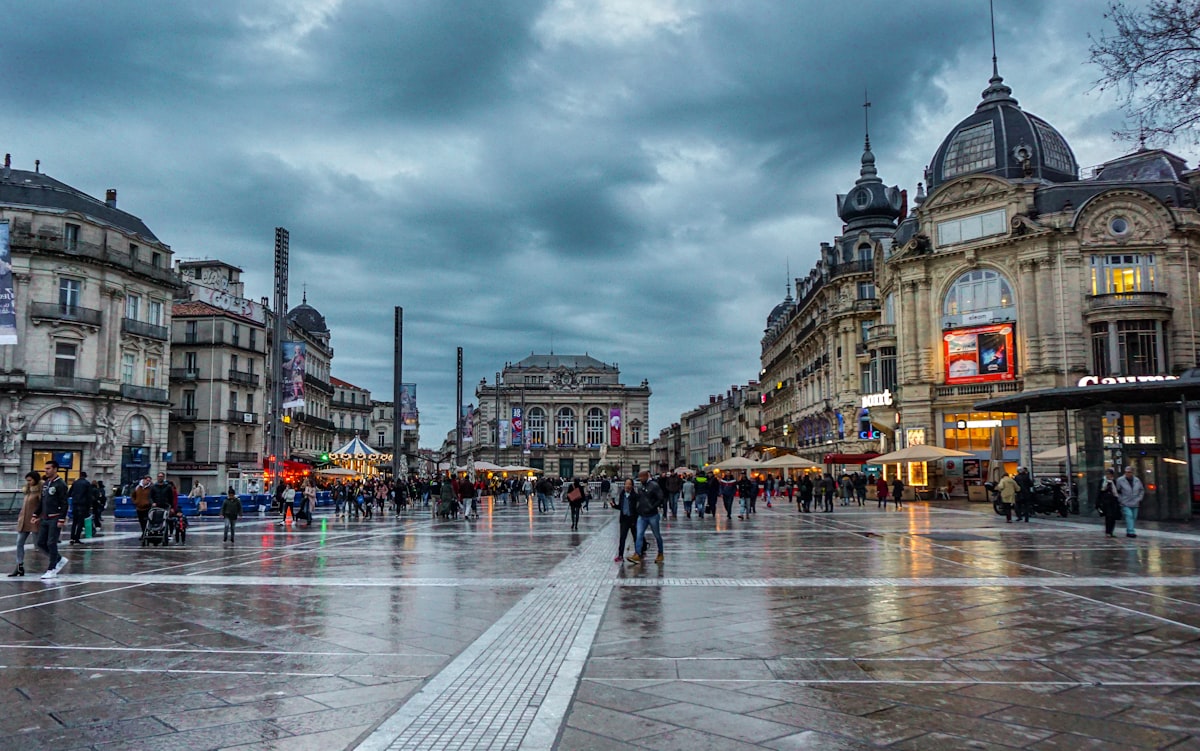
Place de la Comédie: Known locally as "l'œuf" (the egg) due to its oval shape, this is the beating heart of Montpellier. The square is lined with grand 19th-century buildings housing cafés where you can watch the world parade by. The fountain of the Three Graces anchors the center, and street performers entertain passersby. It's the perfect place for morning coffee or evening apéritif. From here, all of Montpellier radiates outward—the narrow streets of the Écusson to the north, the modern Antigone district to the east, and the shopping streets to the west.
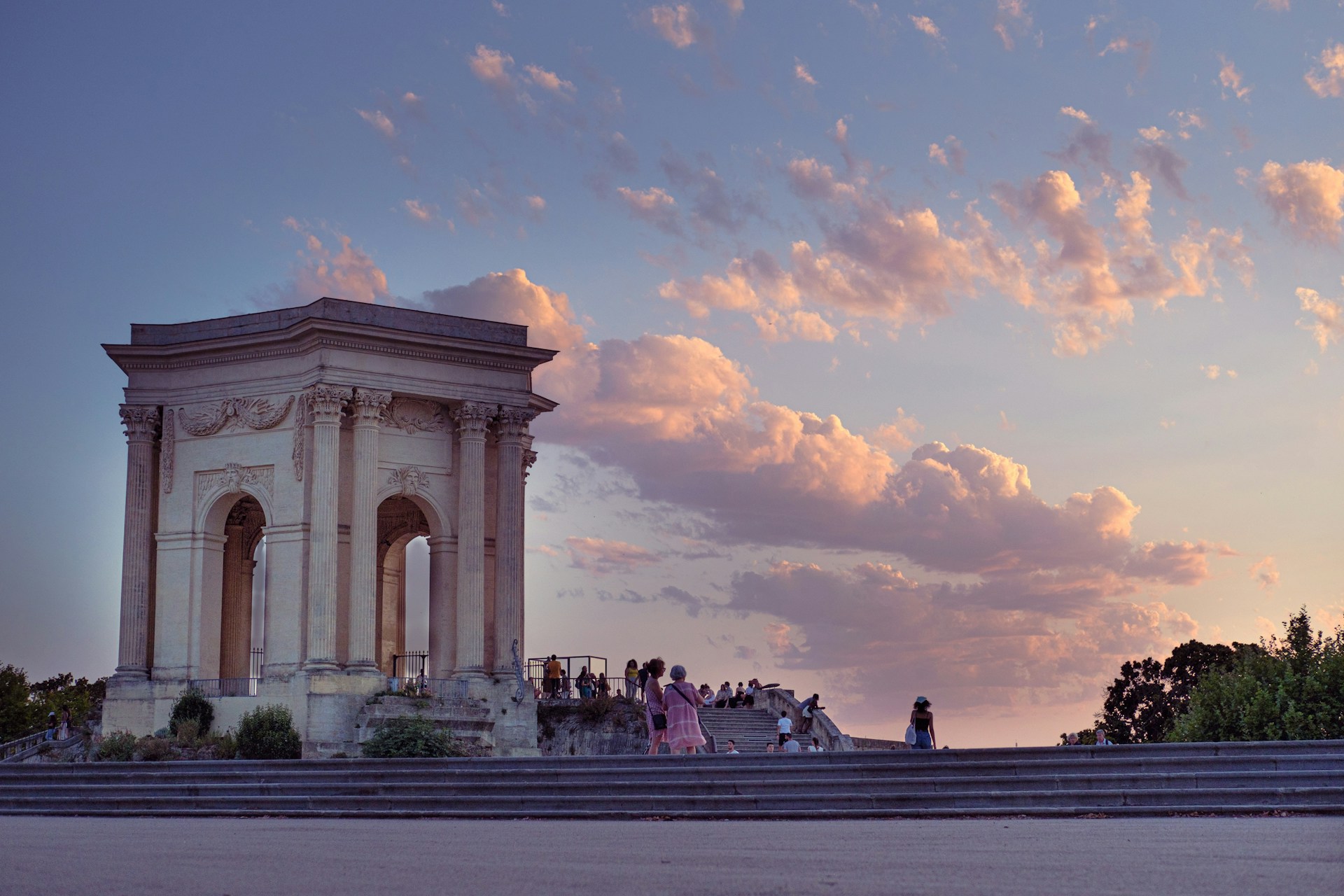
Porte du Peyrou & Aqueduct: This triumphal arch marks the entrance to the old city from the west, but the real attraction is the aqueduct behind it. The Arceaux aqueduct, built in the 18th century, stretches across the promenade with its elegant double arches. The tree-lined esplanade leading up to the arch is Montpellier's favorite Sunday stroll, with views across to the Mediterranean on clear days. The arch itself celebrates Louis XIV's victories and provides a grand entrance to the historic center. Come at sunset when the stone glows golden.
Musée Fabre: One of France's finest provincial art museums, the Fabre holds an exceptional collection spanning from the Renaissance to contemporary art. The old masters section includes Rubens and Veronese; the French collection features works by Delacroix and Courbet; and the modern collection has important pieces by Soulages and Dubuffet. The museum was completely renovated in 2007 and the building itself is a work of art—airy galleries with excellent natural light. Entry is €8; free on the first Sunday of each month. Plan at least two hours; art lovers will want half a day.
Écusson Exploration: The historic center rewards aimless wandering. Start at Place de la Canourgue with its fountain and plane trees, wind through narrow streets past medieval mansions with ornate doorways, discover hidden squares like Place Saint-Roch, and emerge at the cathedral—a curious mix of Gothic and marriage-cake wedding-cake whimsy. The Musée du Vieux Montpellier tells the city's story through maps and artifacts. Don't miss the private mansions (hôtels particuliers) with their courtyards—many are now public buildings you can enter. The best approach is to get lost and see what you discover.
Étang de Thau & Oysters: Just 20 minutes southwest, this inland sea is famous for oysters, mussels, and flamingos. The village of Bouzigues is the oyster capital—restaurants here serve them fresh from the water with local Picpoul de Pinet wine. Rent a bike in Sète (30 minutes by train) and cycle around the lagoon, stopping at beach bars and watching the flamingos wade in the shallows. The drive or bus ride from Montpellier passes through salt flats and vineyards—it's a completely different landscape from the city. A half-day trip that feels like a complete escape.
Food Scene
Languedoc flavors and student-friendly prices
Montpellier's food scene reflects its position in the Languedoc—Mediterranean ingredients, Spanish influences, and a strong tradition of rustic cooking. The city's large student population means excellent value: you can eat very well for modest prices if you know where to look. The covered market at Les Arceaux (Tuesday, Thursday, Saturday mornings) is the gastronomic heart—stalls groan with local produce, seafood from the nearby coast, cheeses from the mountains, and wines from surrounding vineyards. The restaurant scene ranges from traditional Languedoc bistros to innovative modern cuisine, with North African influences from the city's significant Maghrebi population.
Local Specialties: Tielle—a spicy octopus pie from nearby Sète, sold at bakeries throughout the city. Brandade de morue—salt cod whipped with olive oil and garlic, a regional classic. Gardiane de taureau—bull stew from the Camargue, slow-cooked in red wine. Picpoul de Pinet—the crisp, mineral white wine that pairs perfectly with oysters. Grès de Montpellier—red wines from the hills surrounding the city. And navettes—small orange-blossom biscuits from the south, though less famous than their Marseille cousins.
Where to Eat: For traditional Languedoc cuisine, Le Petit Jardin serves excellent brandade and gardiane in a charming courtyard setting (€25-35). Le Jardin des Sens is the Michelin-starred choice—modern, creative cuisine that still honors regional ingredients (€90-120 for the tasting menu). For something more casual, Les Casseroles en Folie offers hearty local dishes at student-friendly prices (€12-18). The North African restaurants around the Comédie provide excellent value—try Le Souk for couscous and tagines (€10-15). For oysters and seafood, take the tram to the coast or head to the market at Les Arceaux.
Markets & Student Dining: The Marché du Lez (Sundays) is Montpellier's trendiest food market, with food trucks, craft stalls, and a hipster crowd. For the ultimate budget meal, join students at the university restaurants (restos U)—€3.30 gets you a full meal. Buy a rechargeable card at any resto U; anyone can eat there, not just students. The covered market at Les Arceaux is perfect for assembling a picnic—oysters from Bouzigues, local ham, cheese from the Cévennes, and a bottle of Picpoul de Pinet (€15 total).
Day Trips
Roman cities, coastal villages, and wine country
Nîmes: Just 30 minutes by train, this city has the finest Roman ruins in France outside Provence. The Maison Carrée—a perfectly preserved Roman temple—glows golden in the afternoon light. The Arènes (amphitheater) still hosts bullfights and concerts. The Jardins de la Fontaine, built around a sacred spring, combine Roman engineering with 18th-century landscaping. Nîmes also gave the world denim—the fabric "de Nîmes" was exported to America for Levi Strauss's workwear. The city has excellent restaurants and a more relaxed atmosphere than tourist-swamped Arles or Avignon. It's an easy half-day trip from Montpellier.
Sète: This fishing port on the Étang de Thau is like a miniature Marseille—gritty, maritime, and proud of it. Take the train (20 minutes) and explore the canals that earned it the nickname "Venice of Languedoc." The covered market is spectacular—fresh fish, local produce, and oysters shucked at the counter. Ride the funicular to the top of Mont Saint-Clair for panoramic views over the lagoon. Sète is famous for joutes nautiques (water jousting) tournaments in summer—two boats charge at each other while jousters try to knock each other into the water with lances. It's absurd, medieval, and utterly compelling. Try the tielle (spicy octopus pie) while you're here.
Pic Saint-Loup Wine Country: The mountains north of Montpellier produce some of the Languedoc's finest wines. Drive or take a tour to the villages of the Pic Saint-Loup appellation—Cazevieille, Saint-Mathieu-de-Tréviers, and the others. Domaine de l'Hortus and Château de Lascaux offer tastings with views of the distinctive peak. The landscape of limestone cliffs, garrigue scrubland, and vineyards is classic Mediterranean. Combine wine tasting with a hike—the GR60 long-distance trail crosses the area. Many domaines have restaurants where you can pair local wines with regional cuisine. It's a world away from the city yet only 45 minutes north.
Practical Tips
Staying cool and culturally savvy
Beat the Heat: August in Montpellier is seriously hot—often 30-35°C with intense sun. Plan outdoor activities (beach, walking tours) for morning or late afternoon. Museums and shopping centers are air-conditioned escapes during midday. The siesta is real—many shops close 12pm-2pm or 3pm, and some restaurants don't reopen until 7pm. Carry water constantly; heat exhaustion sneaks up on you. The tram is air-conditioned—a good way to cool down while still moving around.
August Closures: Many local businesses—especially non-tourist restaurants and shops—close for the first two weeks of August as locals go on vacation. However, tourist infrastructure remains fully open, and the second half of August often sees better deals as the city fills again. Check restaurant hours before heading out; many smaller places close Sundays and Mondays year-round. The student cafés (restos U) close during university holidays.
Language & Etiquette: English is widely spoken in tourist areas and restaurants. Effort is appreciated—start with "Bonjour" before asking questions. The pace of life is slow; service is unhurried by American standards. This is not rudeness, just Mediterranean rhythm. Tipping is not obligatory—service is included. Round up or leave small change for good service. Dress codes are relaxed; shorts and sandals are fine even at nice restaurants in summer. The city is very safe, though normal urban precautions apply around the train station at night.
Student Perks: Montpellier's student population means excellent deals. The university restaurants (restos U) serve anyone with a rechargeable card—€3.30 for a full meal is unbeatable value. Many cinemas, museums, and events offer student discounts; an ISIC card helps but isn't always required. The city's nightlife is vibrant and affordable—bars around Place Jean Jaurès and the Beaux-Arts district offer happy hour deals. August is quieter for student life (they're on vacation), but the infrastructure remains.
Frequently Asked Questions
Is August a bad time to visit Montpellier?
+Not at all—August is actually excellent for visitors. While it's the hottest month (28-32°C), the city empties as locals go on vacation, meaning less crowded restaurants, better accommodation deals, and easier parking. Many businesses close for the first two weeks, but tourist infrastructure remains open. The second half of August is ideal—locals return, the city buzzes, and prices are still lower than July. Just plan for the heat and adopt the siesta rhythm.
How many days do I need in Montpellier?
+Two days covers the city center—the Écusson, Place de la Comédie, Musée Fabre, and a beach trip. Three days allows a more relaxed pace plus a day trip to Nîmes or Sète. Four days lets you add wine country in Pic Saint-Loup or combine with a visit to the Camargue. Montpellier makes an excellent base for exploring the western Mediterranean coast; you could easily spend a week here using it as a hub.
Is Montpellier expensive compared to other French cities?
+Montpellier is significantly cheaper than Nice, Cannes, or Paris, and somewhat cheaper than Marseille or Lyon. Mid-range hotels average €100-140/night. The student population keeps dining affordable—€12-18 for lunch, €25-40 for dinner. The tram system is excellent value (€4.30 day pass). August is particularly budget-friendly as accommodation prices drop. Overall, Montpellier offers exceptional value for a Mediterranean city.
Do I need a car for day trips from Montpellier?
+Not necessarily. Nîmes and Sète are easily reached by train in 20-30 minutes. The beach is accessible by bus. For wine country, organized tours depart from the tourist office, or you can rent a car just for that day. A car is only essential if you want to explore multiple wine villages in one day or visit remote parts of the Camargue. Public transport covers most visitor needs; rent a car only for specific excursions.
Is Montpellier safe for tourists?
+Yes—Montpellier is generally very safe. The historic center (Écusson) and main tourist areas are well-patrolled and secure. Exercise normal urban caution around the Saint-Roch train station at night. The main safety concern in summer is the heat—stay hydrated and take breaks from the sun. Beach areas can have strong currents; swim only where lifeguards are present. Overall, Montpellier is one of France's more relaxed and welcoming cities for visitors.