In This Guide
Lille & Northern France
Flemish architecture, vibrant culture, and gastronomic heritage
Lille is France's best-kept secret—a city of stunning Flemish architecture, world-class art collections, and a culinary culture that rivals Paris at a fraction of the price. Just 80 minutes from London by Eurostar and an hour from Paris by TGV, this former industrial powerhouse has transformed itself into one of Europe's most dynamic cultural destinations. In August 2026, Lille will be at its most vibrant, with the famous Braderie de Lille flea market approaching in September and the city's outdoor cafés buzzing with life.
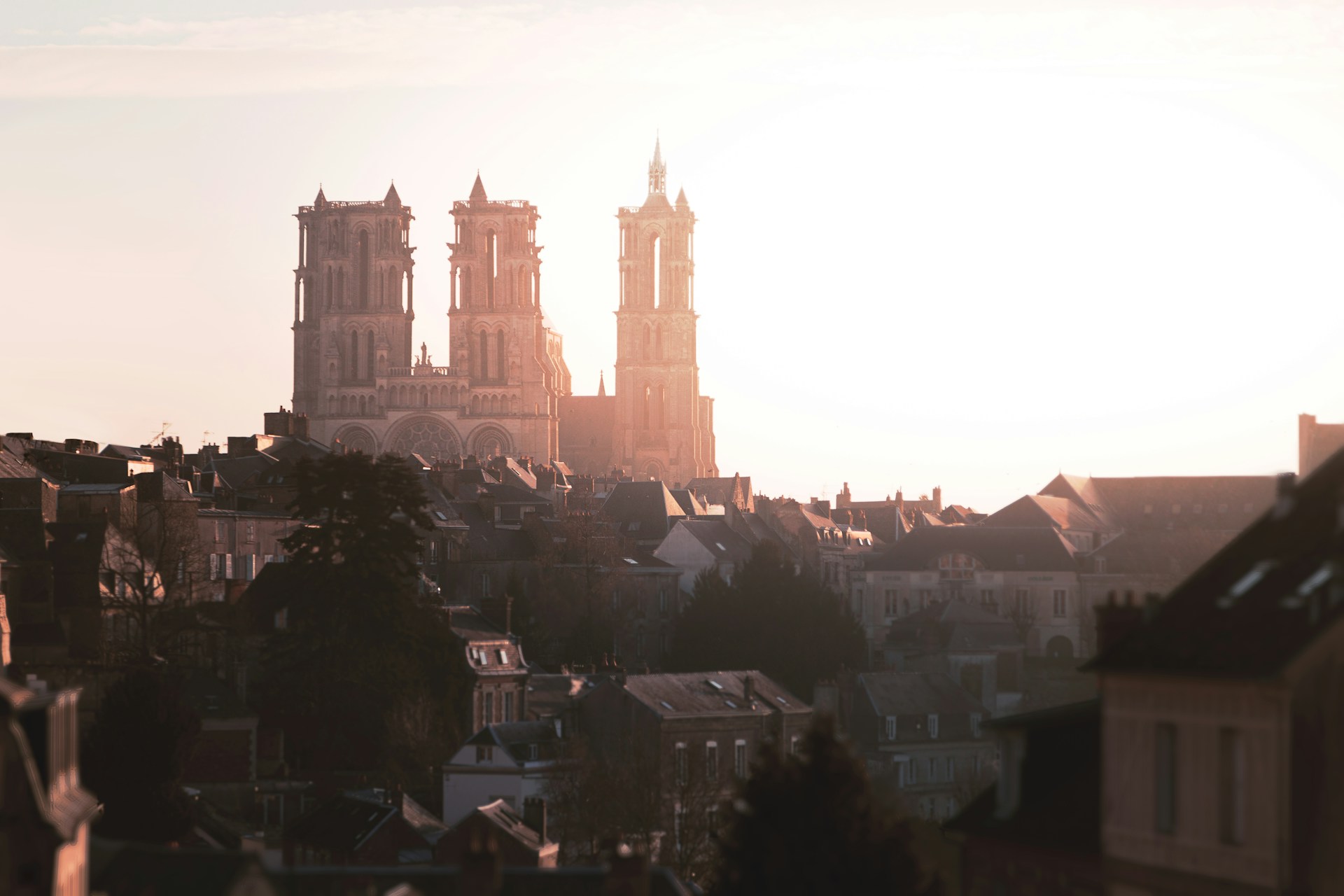
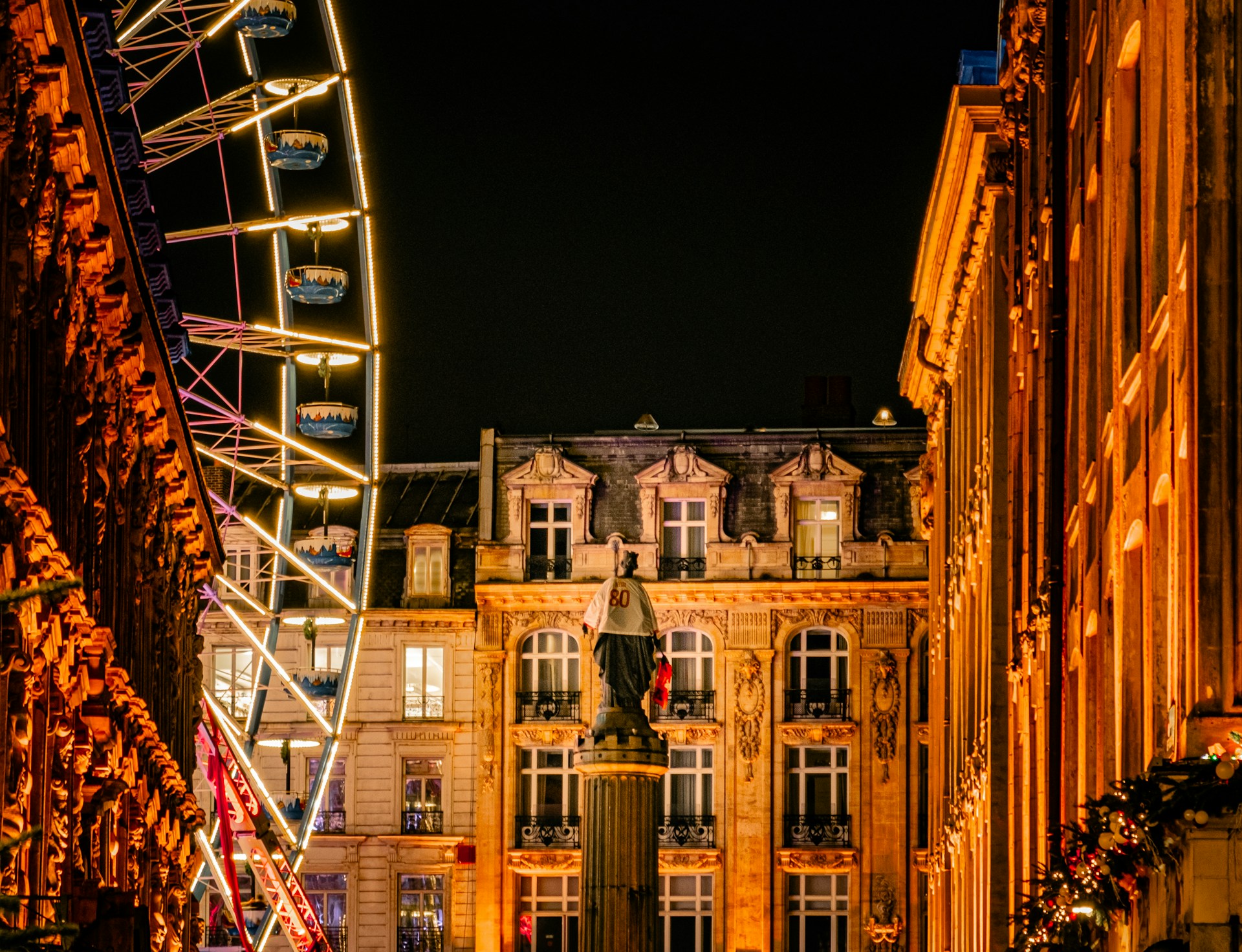
The architecture alone justifies a visit. Lille's old town (Vieux-Lille) is a treasure trove of 17th and 18th-century Flemish buildings—stepped gables, ornate facades, and narrow cobbled streets that feel more Belgian than French. The Grand Place, with its column commemorating the city's resistance to the Austrian siege of 1792, is one of France's most impressive central squares. The Citadel, designed by Vauban in 1667, is a star-shaped fortress that anchors the city's green spaces. And the contemporary structures—like the striking Maison de l'Architecture—show Lille isn't stuck in the past.
Lille's reinvention was catalyzed by its stint as European Capital of Culture in 2004, which spurred massive investment in museums and public spaces. The Palais des Beaux-Arts houses the second-largest fine arts collection in France after the Louvre, with works by Rubens, Van Dyck, Goya, and Delacroix. The LaM (Lille Métropole Museum of Modern, Contemporary and Outsider Art) is a stunning complex featuring a Picasso-filled modernist building and a garden of outsider art sculptures. The city's indie music scene, design shops, and street art have earned it comparisons to Berlin.
August is an ideal time to visit. The weather is mild and pleasant (18-24°C), the summer crowds have begun to thin, and the famous Braderie de Lille—the largest flea market in Europe—takes place on the first weekend of September (book accommodation months ahead if you're staying for this event). The city's beer culture comes alive in outdoor terraces, and the restaurants serve the hearty Flemish dishes that have made Lille a gastronomic destination. It's a weekend break that feels like discovery rather than tourism.
Disclosure: Tour links are affiliate links. We earn a small commission at no extra cost to you.
Disclosure: These are affiliate links. We earn a small commission at no extra cost to you.
Disclosure: Some links are affiliate links. We earn a small commission at no extra cost to you. We only recommend services we use and trust.
Getting There & Around
Eurostar, TGV, and the compact city center
By Eurostar: This is the most convenient route for UK visitors—direct trains from London St Pancras reach Lille Europe in just 1h22. The station is a 15-minute walk or short metro ride from the city center. Eurostar offers 3-5 daily departures; book early for the best fares (from £39 one-way). The service is reliable and comfortable, with free Wi-Fi and power outlets. Arriving at Lille Europe puts you right in the modern Euralille district; the old town is a pleasant walk past the opera house and through the shopping district.
By TGV: From Paris Gare du Nord, the TGV takes just 1 hour to reach Lille (from €19 if booked well ahead). It's one of France's busiest rail corridors with departures every 30-60 minutes. From Brussels, it's 35 minutes on the high-speed line. From Amsterdam, direct Thalys trains take 2h30. The train station is connected to both metro lines, making onward travel effortless. Lille is France's rail hub for northern connections—direct trains to London, Brussels, Paris, Lyon, and beyond.
By Air: Lille Airport (LIL) is 15 minutes from the center by shuttle bus or taxi (€20-25). It's served by flights from southern France, some European cities, and seasonal holiday destinations. However, Eurostar or TGV from London/Paris/Brussels is almost always more convenient than flying. If you must fly, Paris CDG is connected to Lille by direct TGV (50 minutes), making it easy to combine a Lille trip with a broader European itinerary.
Getting Around: Lille's city center is compact and walkable—the old town, central squares, and main museums are all within a 20-minute stroll. For longer distances, the metro (VAL automated system) and tram network is efficient (€1.70 per ride, €5.70 day pass). The metro has two lines covering the main areas. Biking is increasingly popular; the V'Lille bike-share system has stations throughout the city (first 30 minutes free with subscription). You won't need a car for a city break.
Where to Stay
Vieux-Lille charm to modern design hotels

Vieux-Lille (Old Town): The atmospheric heart of Lille is the place to stay. The narrow streets are lined with boutique hotels in converted townhouses, offering Flemish architecture on your doorstep and evening strolls through the illuminated squares. Hôtel Barrière Lille is the luxury choice—a modern five-star with spa, pool, and casino attached, yet walking distance to the old town (€180-280/night). The Hôtel Mercure Lille Centre Vieux-Lille offers reliable mid-range comfort in a renovated historic building (€100-140). Budget travelers should consider the Hotel Kanai—stylish, central, and excellent value (€70-90).
Euralille & Gare Lille Europe: If you're arriving late or leaving early, the area around the Eurostar station has modern business hotels at good rates. The Crowne Plaza Lille-Euralille is directly connected to the station—convenient but lacks character (€100-150). The Novotel Lille Centre Gares offers reliable three-star comfort between the two main stations (€90-120). This area is convenient for transport but less charming for evening strolls; you'll find yourself walking to the old town for dinner.
Wazemmes: For a more local, bohemian experience, consider this multicultural neighborhood south of the center. It's home to the famous Sunday market, ethnic restaurants, and a younger crowd. Accommodation is cheaper here, and you're still only 15 minutes from the old town by metro or 20 minutes walking. The Hôtel L'Arbre Voyageur is a boutique option in this area with excellent reviews (€80-110). Wazemmes is where Lille's diversity shows—North African bakeries, Portuguese shops, and students mix with the traditional Flemish architecture.
Budget & Hostels: Lille is one of France's most affordable cities for accommodation. The Gastama Hostel is consistently rated among Europe's best—a design hostel with private rooms and dorms in a converted industrial building near the old town (€25-40/dorm, €60-80/private). The Hotel Faidherbe offers basic but clean rooms near the station at rock-bottom prices (€50-70). Airbnb is well-developed with entire apartments from €60/night. August is busy but not peak season; prices are reasonable.
Daily Costs
Northern France offers exceptional value
Budget Explorer: €60-85/day. Stay at the Gastama Hostel or a budget hotel in Wazemmes (€50-70/night), eat at bakeries and brasseries (€12-15/day), walk everywhere, visit free museums (the Palais des Beaux-Arts is free the first Sunday of the month), and enjoy the city's public spaces. Lille's compact size means no transport costs if you're centrally located. Beer in bars is €4-5, significantly cheaper than Paris. Total: €420-595/week.
Mid-Range Comfort: €120-170/day. Hôtel in Vieux-Lille (€90-130/night), metro day passes for convenience (€5.70), restaurant lunch (€18), proper dinner with local beer (€30-40), museum entries (Palais des Beaux-Arts €7, LaM €9), and miscellany. This tier lets you enjoy Lille's cultural offerings and gastronomy without breaking the bank. The value compared to Paris is remarkable—expect to pay 30-40% less for equivalent experiences. Total: €840-1,190/week.
Luxury Experience: €250-400/day. Stay at the Hôtel Barrière with spa access (€200-280/night), dinner at a Michelin-starred restaurant like Le Meunier (€80-120), private art gallery tour, cocktail at the hotel's upscale bar, shopping in the designer boutiques of the old town. Lille's luxury tier is developing but still offers better value than comparable experiences in Paris, London, or Brussels. The city's emerging status as a design and culture destination means new high-end options are opening regularly. Total: €1,750-2,800/week.
Saving Money in Lille: The Palais des Beaux-Arts is free on the first Sunday of each month. The city's architecture and public spaces cost nothing to enjoy—self-guided walks through Vieux-Lille and along the canal are highlights. Eat lunch at bakeries and brasseries (€10-15) rather than full restaurant meals (€25-35). The Wazemmes market is ideal for picnic supplies. Book Eurostar or TGV tickets well in advance for the best fares. Lille is compact—walking saves transport costs.
Top Things to Do
Art museums, historic squares, and urban exploration

Palais des Beaux-Arts: This is Lille's cultural crown jewel—the second-largest fine arts collection in France after the Louvre. The museum houses masterpieces by Rubens, Van Dyck, Goya, Delacroix, and a stunning collection of medieval sculpture. The building itself is a neoclassical palace that dominates the Place de la République. Allow at least half a day; the collection spans 15 rooms over three floors. The museum is free on the first Sunday of each month; otherwise entry is €7. Audio guides are available in English. The on-site café is a pleasant spot for a coffee break between galleries.
Vieux-Lille Walking Tour: The old town rewards aimless wandering—every street reveals Flemish gables, hidden courtyards, and architectural details that span centuries. Start at the Grand Place, with its column commemorating the siege of 1792 (the event that inspired the French national anthem, La Marseillaise). Walk the narrow Rue de la Monnaie, peek into the interior courtyards of the hôtels particuliers (aristocratic townhouses), and end at the cathedral—a mix of Gothic and neo-Gothic styles with a striking modern façade. The tourist office offers guided tours (€12), but self-guided exploration with a map is equally rewarding.
Citadel & Park: Designed by Vauban in 1667, the Citadel is a star-shaped fortress that anchors the city's northern green space. While the military still occupies parts of it, the surrounding park (Bois de Boulogne) is open to the public and offers walking trails, a zoo (free entry), and the Musée d'Histoire Naturelle. The ramparts provide elevated views of the city. It's a pleasant escape from urban density—a 15-minute walk from the old town transports you to leafy paths and open grass. Local families picnic here on summer weekends.
LaM (Villeneuve d'Ascq): A 15-minute metro ride from the center brings you to this extraordinary museum of modern, contemporary, and outsider art. The building—a modernist masterpiece by Roland Simounet—sits in a sculpture garden featuring works by Alexander Calder and others. Inside, you'll find Picassos, Mirós, and an exceptional collection of Art Brut (outsider art). The museum is worth the trip alone, but combine it with a visit to the nearby Villeneuve d'Ascq modernist new town for a full day of 20th-century architecture. Entry is €9; the museum is closed Tuesdays.
Wazemmes Market: This is Lille at its most vibrant—a sprawling Sunday market that fills the Place de la Nouvelle Aventure with stalls selling everything from fresh produce and North African spices to vintage clothing and household goods. It's been operating since 1868 and remains a true local institution. Come hungry—the food stalls offer Moroccan tagines, Portuguese pasteis de nata, and traditional French market snacks. The market is at its best before 11am; by afternoon it gets crowded and picked over. Even if you're not buying, it's essential for understanding Lille's multicultural character.
Food Scene
Flemish hearty fare and craft beer culture
Lille's cuisine is distinctly northern—hearty, beer-influenced, and designed for cold winters. The proximity to Belgium is obvious in the food: carbonnade (beef stewed in beer), potjevleesch (meat terrine in jelly), and a beer culture that rivals Brussels. But it's not all heavy fare; the city's restaurant scene has evolved dramatically, with young chefs reinterpreting Flemish traditions and international influences from the immigrant communities adding spice and variety. August is perfect for outdoor dining—the city's terraces fill with locals enjoying the brief northern summer.
Local Specialties: Carbonnade flamande—beef stewed for hours in dark beer with onions and brown sugar, served with fries. Potjevleesch—a traditional terrine of rabbit, chicken, pork, and veal in jelly, eaten cold with fries. Moules-frites—mussels steamed in white wine or beer, served with crispy fries; Lille claims this dish as its own. Maroilles—a pungent washed-rind cheese from the region, used in tarts and soups. Gaufres—thick, yeasted waffles from the nearby town of Cassel, served warm with sugar. And bière—craft beer is huge here, with numerous microbreweries and traditional brasseries.
Where to Eat: Le Compostelle is a Lille institution—classic Flemish cuisine in a wood-paneled brasserie near the Grand Place (€25-35). For something more contemporary, Le Meunier offers refined French cuisine with a Michelin star in an elegant setting (€80-120). Meert is famous for its vanilla waffles (gaufres) and salon de thé atmosphere—perfect for afternoon treats (€10-15). The Rue de Gand near the old port is lined with restaurants ranging from traditional to trendy; it's where locals go for dinner. For craft beer enthusiasts, Les 3 Brasseurs is a microbrewery chain with excellent house beers and hearty food (€20-30).
Markets & Street Food: Beyond Wazemmes, the Marché Sébastopol (Tuesday-Sunday) is a covered market with excellent food stalls. The rue de Paris has become a hub of trendy eateries and coffee shops. For something quick, try a baraque à frites (fry shack)—these trucks and kiosks serve freshly made fries with mayonnaise or sauce andalouse. Lille's student population keeps casual dining affordable and high-quality.
Day Trips
Ypres, Brussels, and the Opal Coast
Brussels (Belgium): Just 35 minutes by train, the Belgian capital makes an easy day trip. The Grand Place is one of Europe's finest squares; the Art Nouveau architecture of Horta is unique; and the chocolate shops and beer cafés are reason enough to visit. The contrast with Lille is fascinating—same Flemish roots, different national development. Return in the evening for dinner in Lille, or stay for Brussels' evening atmosphere. Trains run until late; no advance booking needed.
Ypres & WWI Battlefields (Belgium): An hour by car or train brings you to the heart of the Western Front. Ypres (Ieper) was completely destroyed in WWI and rebuilt exactly as it was; the Menin Gate memorial lists 54,000 names of the missing. The In Flanders Fields Museum tells the story with modern, sensitive curation. The surrounding countryside is dotted with cemeteries, trenches, and memorials—Tyne Cot, Hill 60, Passchendaele. It's a moving day trip that puts the war in human terms. Combine with a visit to a traditional Flemish café in Ypres for lunch.
Dunkirk & the Opal Coast: An hour north, the beaches of the Côte d'Opale offer a completely different landscape—dunes, sea, and the English Channel visible on clear days. Dunkirk is historically significant (WWII evacuation) and has a working fishing port with excellent seafood restaurants. The nearby town of Cassel, perched on a hill, offers panoramic views and traditional Flemish architecture. It's a good escape if you want a break from city life; the beaches are wilder and less developed than the Mediterranean.
Practical Tips
Navigating Lille like a local
Braderie de Lille: If you're visiting in early September, this is the city's biggest event—a massive flea market that takes over the entire old town for 48 hours. Over 10,000 exhibitors sell antiques, vintage clothing, and bric-a-brac. It's chaotic, crowded, and unforgettable. Book accommodation months ahead if you want to attend; prices double. The tradition includes eating moules-frites at makeshift restaurants set up on the streets. Even if you're not a shopper, it's worth experiencing once.
Language & Etiquette: French is the official language, but the Flemish heritage means you'll hear Dutch accents and see Dutch place names. English is widely spoken in tourist areas, but attempting basic French is appreciated. The pace of life is slower than Paris—embrace it. Lille is friendly and unpretentious; the student population keeps it youthful. Tipping is not obligatory (service is included), but rounding up or leaving €2-3 for good service is appreciated. Dress is casual except in fine dining establishments.
Best Views: For panoramic photos, climb the belfry of the Hôtel de Ville (city hall)—it's a UNESCO site and offers 360-degree views (€7, closed Sundays). The terrace of the Hôtel Barrière also offers elevated views of the city center. The Citadel ramparts provide elevated perspectives over the northern districts. For the classic Lille photo, capture the Flemish gables of Vieux-Lille from the Rue de la Monnaie at sunset, when the brickwork glows golden.
Shopping: Lille is excellent for vintage and design shopping. The rue de la Monnaie and surrounding streets have antique shops, interior design boutiques, and concept stores. Moulin à Huile is a local institution for kitchenware and gourmet food products. The Meert patisserie (famous for vanilla waffles) is worth a visit even if you're not buying. August is sale season (soldes), with discounts of 30-70% in most shops.
Frequently Asked Questions
Is Lille safe?
+Yes—Lille is one of France's safer cities. The center is well-patrolled and tourist areas are secure. As with any city, be aware of pickpockets in crowded areas (Wazemmes market, busy metro stations) and avoid walking alone late at night in isolated areas. The northern districts have some rougher neighborhoods, but tourists rarely have reason to visit them. Exercise normal urban precautions and you'll have no problems.
Can I visit Lille as a day trip from Paris or Brussels?
+Absolutely. The TGV takes 1 hour from Paris; the Thalys takes 35 minutes from Brussels. You can see the main sights—the Palais des Beaux-Arts, Vieux-Lille, the Grand Place—in a full day. However, Lille rewards a longer stay; an overnight allows you to experience the evening atmosphere, try multiple restaurants, and visit LaM museum outside the center. It's a perfect weekend break destination rather than a rushed day trip.
How does Lille compare to Brussels?
+They share Flemish architecture and beer culture, but Lille feels more intimate and less bureaucratic than Brussels. Brussels is larger, more international, and more expensive. Lille has better art museums (the Palais des Beaux-Arts surpasses anything in Brussels) and a more cohesive old town. Brussels has better chocolate and more political/cultural institutions. Lille is friendlier and more relaxed; Brussels feels more like a capital city. They're 35 minutes apart by train—visit both and decide for yourself.
What's the best time to visit Lille?
+Late spring (May-June) and early autumn (September) are ideal—mild weather, fewer crowds, and lower prices. August is pleasant but some local shops and restaurants close for holidays. The Braderie de Lille (first weekend of September) is spectacular but accommodation books up months ahead. December brings Christmas markets and festive lights. Avoid November (gray and rainy) unless you're specifically coming for the Christmas preparations. July can be hot and humid.
Is Lille good for vegetarians/vegans?
+Lille's traditional cuisine is meat-heavy (carbonnade, potjevleesch), but the restaurant scene has modernized significantly. You'll find vegetarian options at most restaurants now, and dedicated vegetarian/vegan cafés have opened in recent years. The multicultural influence means excellent North African and Middle Eastern options (falafel, couscous, tagines) that are naturally vegetarian-friendly. Wazemmes market has vendors selling fresh vegetables and prepared vegetarian dishes. It's not as veggie-friendly as Berlin or London, but you'll eat well.