In This Guide
Summer in the French Alps
When snow gives way to wildflowers and hiking boots replace skis
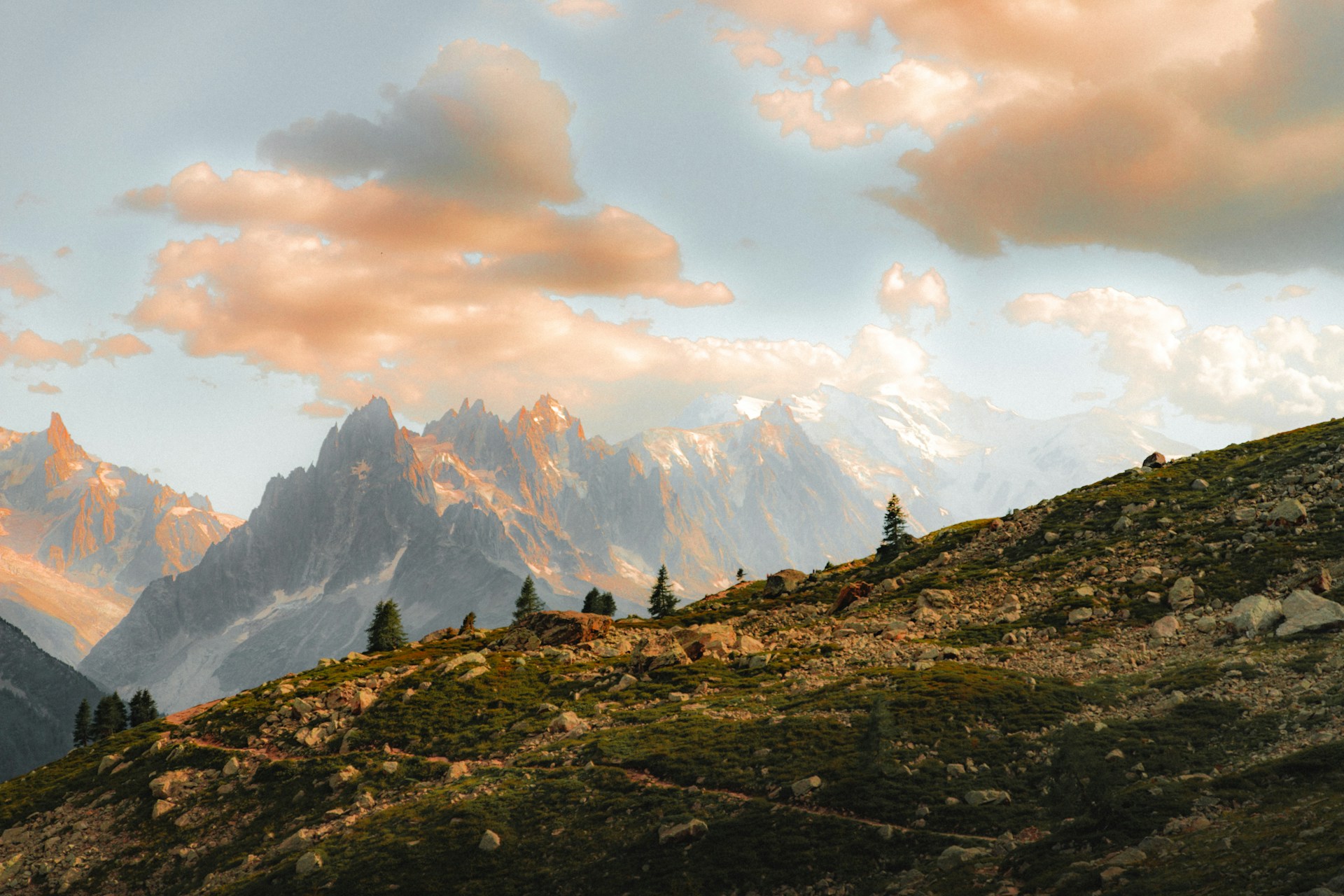
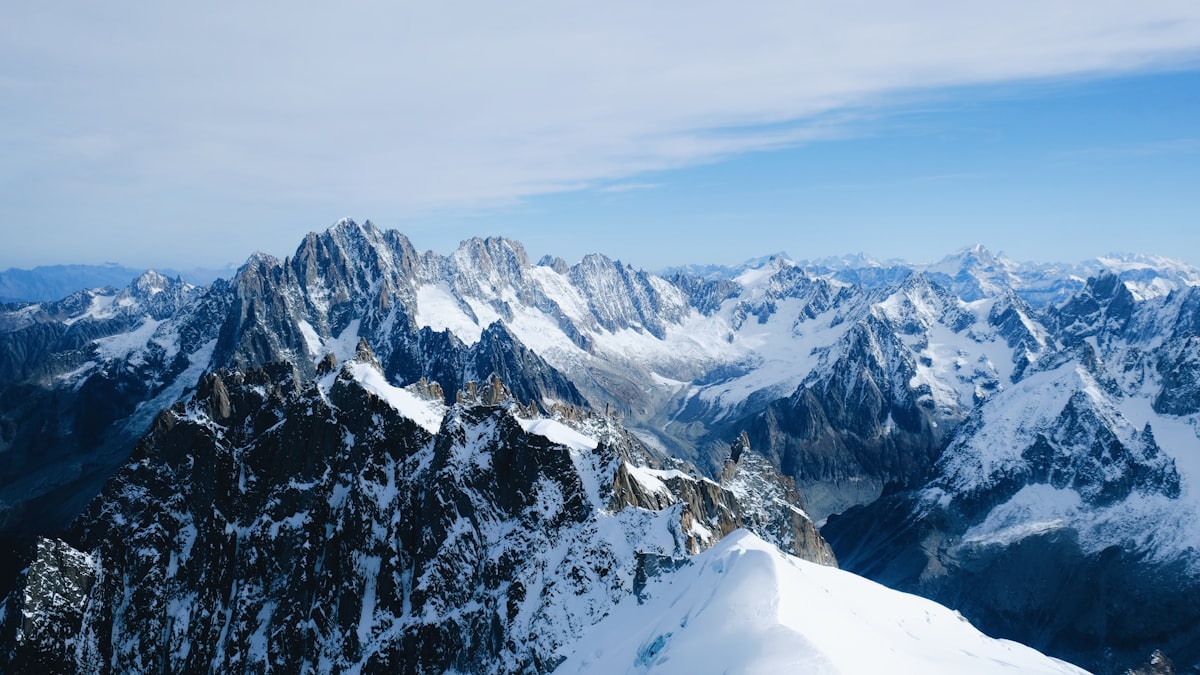
The French Alps in summer are Europe's best-kept secret. While the world associates these mountains with winter skiing, July reveals a different personality entirely: meadows carpeted with wildflowers, turquoise alpine lakes reflecting snow-capped peaks, and a network of hiking trails that turn ski pistes into summer paths. This is when the Alps breathe again—cows graze on slopes that held snow weeks earlier, marmots whistle from boulder fields, and the high passes open to reveal views that stretch across three countries.
Chamonix-Mont-Blanc serves as the natural hub, sitting at the foot of Western Europe's highest peak. But the French Alps extend far beyond this famous resort town. The Haute-Savoie region offers lakeside relaxation at Annecy, where the water reaches swimmable temperatures by July. The Vanoise National Park protects ibex and chamois in a landscape of glaciers and granite. And the Queyras Regional Park in the southern Alps provides a wilder, less developed experience where wolves still roam and traditional mountain life continues unchanged.
July is peak alpine summer. The snow has retreated to the highest peaks (permanent glaciers remain on Mont Blanc and the surrounding massif), all but the most extreme passes are open, and the mountain huts (refuges) operate at full capacity. The weather is reliably warm at valley level—expect 25-30°C in Chamonix, slightly cooler at altitude—while afternoon thunderstorms are common above 2,000m. It's the ideal month for serious hiking, via ferrata climbing, paragliding, or simply riding cable cars to viewpoints that would take hours to reach on foot.
The French Alps in summer also offer exceptional value. Accommodation costs 40-60% less than winter, lift passes for hikers are cheaper than ski passes, and you avoid the ski-season crowds. The mountains feel more peaceful, more spacious, more wild. This is the Alps as they were before skiing transformed them—a landscape of pastoral tradition, mountaineering heritage, and natural grandeur that rewards those willing to look beyond the snow.
Disclosure: Tour links are affiliate links. We earn a small commission at no extra cost to you.
Disclosure: These are affiliate links. We earn a small commission at no extra cost to you.
Disclosure: Some links are affiliate links. We earn a small commission at no extra cost to you.
Getting There & Around
Airports, trains, and the mountain road network
By Air: Geneva Airport (GVA) is the gateway for the northern Alps, just 90 minutes from Chamonix and Annecy. It's served by direct flights from London (1h35), Paris (1h05), New York (8h30), and major hubs worldwide. Lyon-Saint Exupéry (LYS) works for the central Alps, 2 hours from Chamonix and Grenoble. For the southern French Alps, Nice Côte d'Azur (NCE) is your best bet, 2.5 hours from the Mercantour National Park. Book summer flights early—July is peak season for alpine tourism, and Geneva slots fill quickly.
By Train: The French rail network serves the Alpine periphery well. The TGV from Paris reaches Lyon in 2 hours, Geneva in 3 hours 15 minutes. From there, regional trains connect to Annecy (from Lyon, 2 hours), Chamonix (from Geneva, 3.5 hours with a change in La Roche-sur-Foron or Saint-Gervais), and Grenoble (from Lyon, 1 hour). The Mont Blanc Express narrow-gauge railway from Saint-Gervais to Chamonix is a scenic experience in itself, climbing through forests with mountain views. Train travel is relaxing but slower than driving for reaching the heart of the mountains.
Car Rental: A car gives you the flexibility to explore multiple valleys and reach trailheads. All major rental agencies operate at Geneva and Lyon airports. Expect €50-80/day in July for a compact car—book well ahead as summer inventory sells out. Note that some mountain passes have vehicle restrictions or require chains after unexpected summer snowstorms (rare but possible at high altitude). Diesel is standard for mountain driving; stations are plentiful in valley towns but scarce on high passes—fill up before ascending.
Getting Around: Chamonix has an efficient bus system connecting towns along the valley, and many trailheads are accessible by public transport. The Montenvers railway climbs to the Mer de Glace glacier, while the Aiguille du Midi cable car reaches 3,842m. Annecy is compact and best explored by bike—the 40km cycle path around the lake is flat and spectacular. For the national parks (Vanoise, Écrins), a car is essential as buses are infrequent and don't reach remote trailheads.
Where to Stay
From valley hotels to mountain huts

Chamonix: The mountaineering capital offers options at every price point. The historic Hôtel Mont-Blanc (€180-250/night) occupies a 19th-century building with views of the Aiguille du Midi and an excellent location in the town center. More budget-friendly is La Belle Époque, a renovated pension with simple rooms and a garden terrace (€90-120). For hikers, the Chamonix Youth Hostel (Auberge de Jeunesse) is exceptional—modern, clean, with mountain views and easy access to trails (€35-45 for a dorm bed, €85 for private rooms). Book all options months ahead for July.
Annecy: This lakeside town combines alpine scenery with sophisticated French culture. The Imperial Palace is the grand dame—Belle Époque luxury on the lake with a spa and private beach (€200-350/night). Hôtel Le Pré Carré offers contemporary comfort in the old town with views of the castle (€130-180). For budget travelers, the area around the train station has numerous chain hotels and budget options (€70-100). Annecy is an excellent base if you want lakeside relaxation combined with mountain day trips.
Mountain Huts (Refuges): For serious hikers, staying in a high-altitude refuge is an essential Alpine experience. These simple lodges—operated by the French Alpine Club (CAF)—provide dormitory beds (€25-40/night), dinner and breakfast (€20-25), and the chance to watch sunset and sunrise from the high mountains. Book through the CAF website; popular huts like the Refuge du Lac Blanc or Refuge de la Charlanon fill up months ahead for July weekends. You'll need a sleeping bag liner (sacs are provided), headlamp, and the willingness to accept that showers are often cold and toilets may be composting.
Camping: The Alps have excellent campsites, many with swimming pools and facilities rivaling hotels. Camping Le Pontet in Chamonix (€25-35/night for a pitch) is a 20-minute walk from town center with mountain views. Camping La Ravoire near Annecy has lake access and a beach (€22-30/night). Wild camping is technically prohibited in France but tolerated above 2,000m if you leave no trace, arrive after 7pm, and depart before 7am. Don't camp in valleys or near roads—the Gendarmerie will move you on.
Daily Costs
Alpine summer is cheaper than winter—but still France
Budget Hiker: €70-100/day. Stay at mountain huts or camp (€25-35/night), self-cater from supermarkets in valley towns (€15/day for food), and hike the extensive free trail network. The Chamonix-Mont-Blanc Guest Card (free with accommodation) provides free bus travel and discounts on lifts. Splurge occasionally on a coffee at altitude refuges (€4) for the experience. Total: €490-700/week.
Mid-Range Outdoor Enthusiast: €180-250/day. Hôtel in Chamonix or Annecy (€120-160/night), multi-day lift pass for hiking (€35/day), restaurant lunch on the mountain (€18-22), proper dinner in town (€35), equipment rental if needed (poles, daypack), and miscellany. This tier lets you enjoy the full alpine experience—cable cars to high viewpoints, well-earned meals after long hikes, comfortable beds. July pricing is significantly lower than February. Total: €1,260-1,750/week.
Luxury Alpine Experience: €400-600/day. Stay at the Hôtel Mont-Blanc or Auberge du Bois Prin (€300-450/night with Mont Blanc views). Private guided hiking with an International Mountain Leader (€350-500/day). Helicopter transfer to a high-altitude restaurant for lunch (€180/person). Paragliding flights over the Chamonix valley (€150). Michelin-starred dinner at Restaurant Albert 1er (€120-180 per person). Summer is when luxury travelers discover the Alps without the winter crowds. Total: €2,800-4,200/week.
Saving Money in the Alps: Accommodation is your biggest expense—book 3-4 months ahead for best rates. Self-cater from the excellent supermarkets in Chamonix (Carrefour, Spar); mountain restaurant prices are 50% higher than valley equivalents. The Chamonix Guest Card provides real value—free buses, pool access, and museum entry. Hiking is essentially free once you're equipped; cable cars are the expensive temptation (€35-65 return). Many spectacular trails start from valley level and climb to refuges without needing lifts. Buy the IGN 1:25,000 topographic maps (€12 each) rather than relying on phone apps—batteries die in the cold at altitude.
Top Things to Do
From gentle walks to serious mountaineering
Aiguille du Midi & Step Into the Void: The cable car from Chamonix climbs to 3,842m in 20 minutes, delivering you to a world of permanent ice and rock. The main platform offers 360-degree views across France, Switzerland, and Italy. But the real thrill is the "Step Into the Void"—a glass box extending over a 1,000m drop. It's terrifying and exhilarating in equal measure. Allow half a day including the ride up (€70 return, book online to skip queues). Note: altitude can affect you—move slowly, drink water, and don't attempt if you have heart issues.
Mer de Glace & Ice Cave: The "Sea of Ice" is France's largest glacier, accessible via the Montenvers rack railway from Chamonix. The train climbs through forests to reveal stunning ice views. At the top, a gondola descends to the ice cave—carved fresh each year, it changes annually. The 580 steps down (and back up) are demanding but worthwhile. The nearby Glaciorium museum explains climate change's impact on the glacier—it's retreating visibly year by year. Combined ticket €40 including train and cave access.
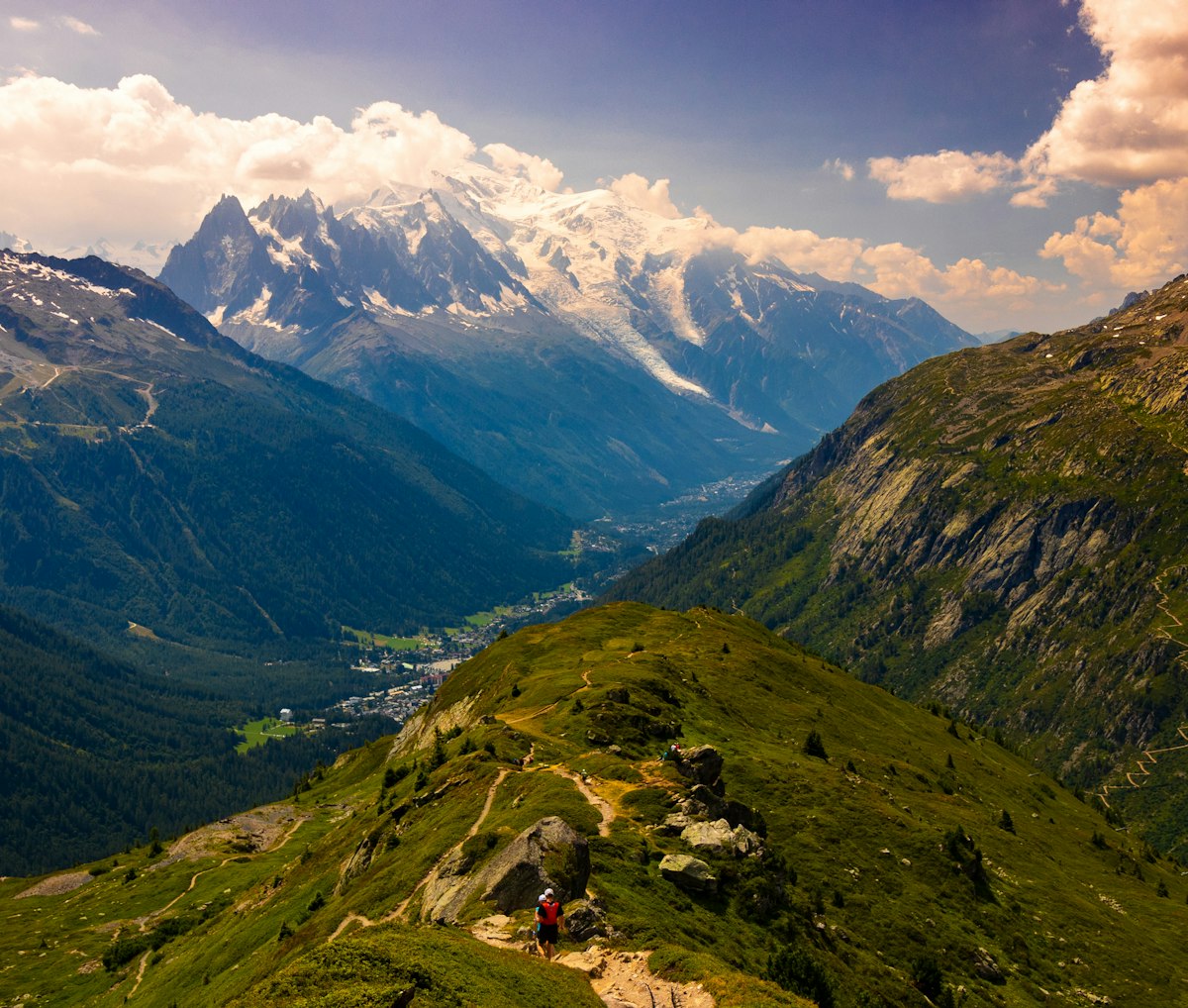
Lac Blanc Circuit: This is Chamonix's most accessible high-mountain day hike. From the Flégère lift (€25 return), a 2-3 hour climb brings you to Lac Blanc at 2,352m—a perfect alpine lake reflecting the Mont Blanc massif. The trail passes through blueberry fields (pick them in August) and offers constant mountain views. Refuges at the lake serve tartiflette and cold beer. The return can loop via the Grand Balcon Sud trail, creating a full day of varied alpine scenery.
Via Ferrata des Evettes: For adventure seekers, this via ferrata (iron way) in the Sixt-Fer-à-Cheval valley offers 400m of vertical climbing on protected cables and ladders. No climbing experience needed—just a head for heights and basic equipment (rentable in Sixt). The route follows a limestone cliff with waterfalls cascading beside you, finishing with a Nepal bridge and spectacular views of the Fer-à-Cheval cirque. Allow 3 hours; guided tours available for beginners (€60 including equipment).
Paragliding Over the Valley: Chamonix is one of Europe's best paragliding destinations. Tandem flights launch from Planpraz or Plan de l'Aiguille and soar over the valley for 20-30 minutes before landing in the town center. You'll see Mont Blanc from angles impossible to reach on foot, share thermals with eagles, and understand why the Alps attract adventurers. Reputable operators include Air Sports Chamonix and Wing Over Chamonix (€150-180 per flight). July conditions are generally excellent—stable thermals and clear skies.
Food Scene
Mountain calories and Savoyard specialties
Alpine cuisine is designed for cold weather and hard exercise—expect cheese, potatoes, cured meats, and robust red wines. In July, the heavy winter dishes feel less appropriate, but restaurants still serve them alongside lighter summer options. The ingredients are exceptional: cheeses from cows that graze on wildflower meadows, cured hams from pigs raised in mountain valleys, and berries from alpine thickets. Refuges serve simple but hearty meals to refuel hikers; valley restaurants offer more refined takes on mountain classics.
Savoyard Specialties: Tartiflette—potatoes, reblochon cheese, lardons, and onions baked until bubbling. It's the Alps on a plate, served in every mountain restaurant. Raclette—melted cheese scraped onto potatoes and cured meats, traditionally cooked by an open fire. Fondue savoyarde—three cheeses (comté, beaufort, emmental) melted with white wine, into which you dip bread cubes. Diots—Savoyard sausages, usually served with polenta. And génépi—an herbal liqueur made from alpine artemisia, served as a digestif.
Where to Eat: In Chamonix, La Crèmerie du Glacier near Les Bois serves exceptional tartiflette in a rustic setting with views of the Bossons Glacier (€18-25). For something lighter, Munchie offers creative modern cuisine that breaks from Savoyard tradition—excellent salads and Asian-influenced dishes (€15-22). Mountain refuges like Refuge du Lac Blanc serve simple but perfect meals—their tarte aux myrtilles (blueberry tart) is legendary. At altitude, you're paying for location as much as food; valley restaurants offer better value and quality.
Self-Catering: Supermarkets in Chamonix (Carrefour, Spar, Casino) stock everything needed for trail lunches. Buy baguettes, comté cheese, saucisson sec, and local honey. For a true alpine experience, hike to a high meadow, find a spot with mountain views, and assemble your picnic there. It beats any restaurant view. Mountain streams provide cold, clean water (filter if concerned). Many refuges will sell you a simple lunch pack (sandwich, fruit, chocolate) to take on longer hikes.
Day Trips
Beyond Chamonix—other Alpine treasures
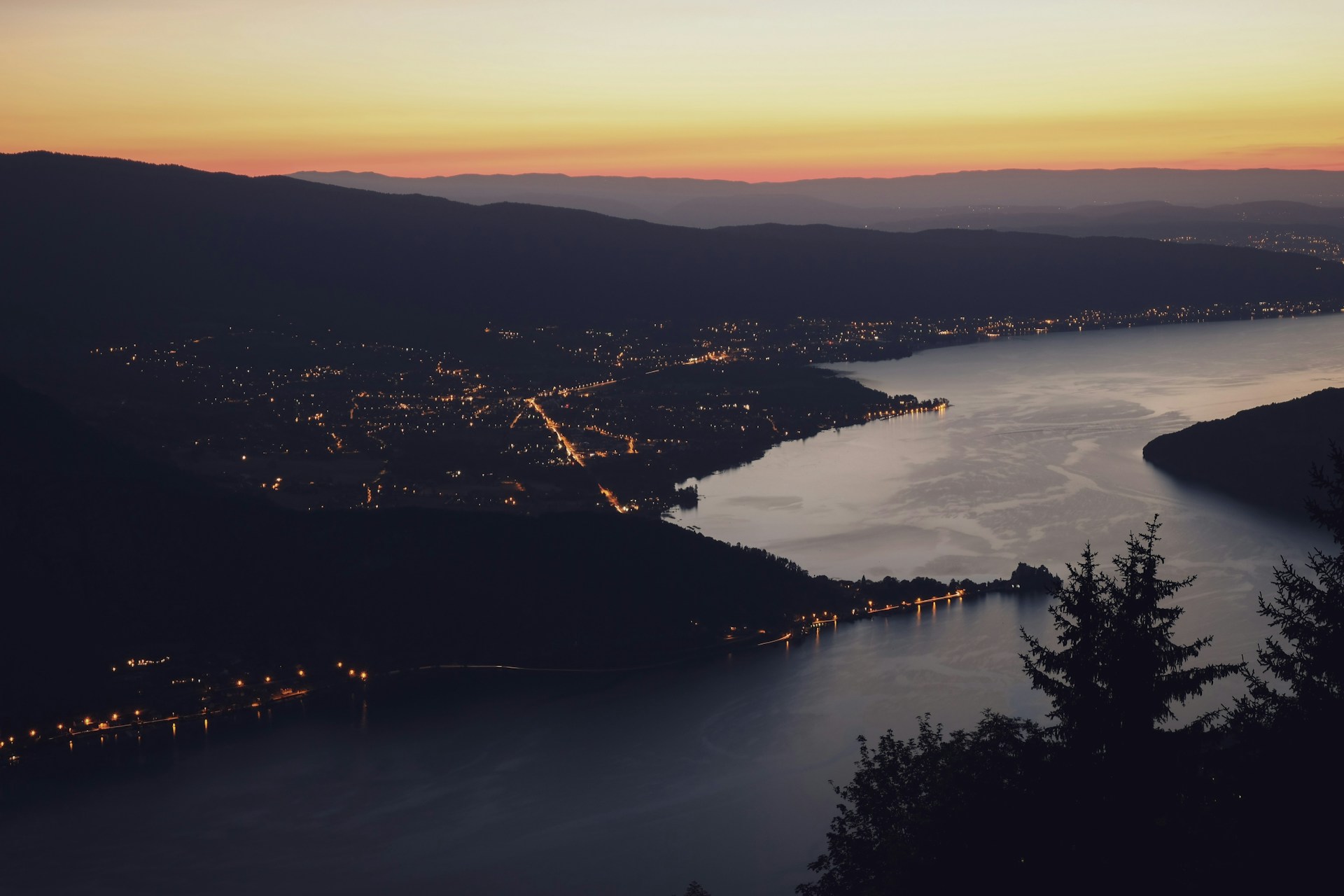
Annecy & Lake Annecy: Just 90 minutes from Chamonix, this stunning lake town combines medieval old-town charm with Caribbean-clear alpine water. The 40km cycle path around the lake is flat and spectacular—rent bikes in Annecy and take a leisurely day to circle the lake, stopping at beaches and villages. Alternatively, rent a paddleboard or kayak for the ultimate lake experience. The water is swimmable by July (22-24°C), cleaner than almost any other European lake due to strict environmental protection. The old town's canals and arcaded streets are worth an afternoon of wandering.
Grenoble & the Vercors Massif: Two hours south, Grenoble sits at the junction of three Alpine ranges. It's a university city with excellent museums (the Musée de Grenoble has a world-class modern art collection) and a cable car that climbs to the Bastille fortress for panoramic views. But the real draw is the Vercors plateau, a limestone massif riddled with caves and offering different hiking from the granite Alps—forests, meadows, and dramatic cliffs. The GR91 long-distance trail crosses the Vercors, or you can day-hike to viewpoints like the Mémorial de la Résistance, commemorating WWII maquis fighters who hid in these mountains.
Mont Blanc Circuit (TMB) Sections: The full Tour du Mont Blanc takes 7-10 days, but you can hike individual sections as day trips from Chamonix. The Col de Balme (from Le Tour, 4 hours round trip) brings you to the Switzerland-France border with views of the Trient Glacier. The Lac de Cheserys (from Flégère, 3 hours) offers the most photographed reflection shots of Mont Blanc. These trails let you experience the TMB's high-mountain atmosphere without committing to the full circuit. July is ideal—trail conditions are perfect and refuges are open for lunch stops.
Practical Tips
Staying safe and comfortable in the high mountains
Altitude & Weather: Even in July, temperatures at 2,000m+ can drop to single digits. Bring layers—a warm fleece or light down jacket is essential even on hot valley days. Afternoon thunderstorms are common above 2,000m; start hikes early and plan to be below treeline by early afternoon. UV is intense at altitude—SPF 50+, sunglasses, and a hat are non-negotiable. Weather changes rapidly; what starts as a clear morning can become foggy and cold by afternoon. Check mountain forecasts (MeteoFrance or Chamonix High Mountain Gendarmerie) before committing to high routes.
Mountain Safety: The Alps are serious mountains. Stick to marked trails unless you have experience and equipment. Tell someone your route and expected return time. Phone signal is patchy; download offline maps (Maps.me, FatMap, or IGN apps). If you hear thunder, descend immediately from ridges and summits. Lightning kills hikers every summer. Stream crossings can be dangerous after rain—wait or turn back if water is high. The emergency number is 112; the Chamonix High Mountain Gendarmerie (PGHM) handles mountain rescues (not cheap if you need evacuation).
Equipment: Proper hiking boots with ankle support are essential—trail running shoes are inadequate for rocky alpine terrain. Trekking poles reduce knee strain on descents. A 20-30L daypack carries layers, water (2L minimum), food, and emergency supplies. Bring a basic first aid kit, headlamp (even for day hikes—delays happen), and emergency whistle. For via ferrata or glacier walking, rent equipment locally—don't buy unless you're committed to the sport. Good outdoor shops in Chamonix include Snell Sports and Intersport.
Booking Ahead: July is peak season. Book accommodation 3-4 months ahead for best choice and prices. Mountain refuges fill up for weekends; book through the CAF website as soon as dates are released. Popular cable cars (Aiguille du Midi) can have long queues—book online timed tickets to skip lines. Restaurants don't generally require reservations except for dinner at upscale places. If the weather turns bad, have backup plans—museums in Chamonix and Annecy, thermal baths at Saint-Gervais, or simply café-hopping.
Frequently Asked Questions
When is the best time to visit the French Alps in summer?
+July and August offer the best weather for hiking and mountain activities, with temperatures at valley level around 25°C. However, this is peak season with higher prices. June is quieter but some high mountain passes may still have snow. September brings beautiful autumn colors and fewer crowds, though some lifts start closing. Early July offers the best balance of good weather and open facilities.
How many days do I need in the French Alps?
+Three to four days is enough for Chamonix and the Mont Blanc area, including Aiguille du Midi and Mer de Glace. A week allows you to combine Chamonix with Annecy, Grenoble, or multiple day hikes. For multi-day trekking like the Tour du Mont Blanc, plan 7-10 days. The Alps reward slow travel—don't try to cram too much into each day.
Are the French Alps expensive in summer compared to winter?
+Summer is significantly cheaper than winter. Accommodation costs drop 40-60%, and you avoid ski resort pricing. Mid-range hotels in Chamonix run €100-150/night in July versus €300+ in February. Lift tickets for hikers are cheaper than ski passes (€35-50/day versus €60+). Dining is similar year-round, though some restaurants close in summer. Overall, budget summer at 50-60% of winter costs.
Do I need hiking experience for the French Alps?
+Not necessarily—there are hikes for every ability level. Easy valley walks around Chamonix or Annecy lake require no experience. Moderate day hikes to alpine lakes are accessible to anyone reasonably fit. However, high alpine routes, exposed ridges, and via ferrata require experience and proper equipment. Mountain weather changes rapidly, even in summer. Always check conditions, carry layers, and tell someone your route.
What should I pack for summer in the Alps?
+Layers are essential. Even in July, temperatures at altitude can be near freezing. Pack: warm fleece or light down jacket, waterproof shell, hiking boots with ankle support, sun hat and warm hat, sunglasses (UV is intense), sunscreen SPF 50+, refillable water bottle, basic first aid kit, and a charged phone with offline maps. Walking poles help on steep descents. Don't underestimate the mountains—weather can turn in minutes.