In This Guide
Biarritz & the Basque Coast
Surf, Belle Époque glamour, and Atlantic waves
Biarritz is where European royalty first discovered the beach holiday, and where surfers first rode Atlantic waves in France. This Basque city on the southwestern coast combines Belle Époque grandeur with a laid-back surf culture, creating a destination that feels simultaneously elegant and approachable. In July 2026, the city will be buzzing with the Quiksilver Pro surf competition, beachgoers filling the Grande Plage, and the Belle Époque villas gleaming white against the deep blue Atlantic.
The city's transformation began in the 1850s when Empress Eugénie, wife of Napoleon III, built a palace here (now the Hôtel du Palais). European aristocracy followed, creating a resort of extraordinary sophistication—casino, thalassotherapy spas, golf courses, and villas that still line the coast. But Biarritz never became as stuffy as Nice or Cannes. The Atlantic is wilder than the Mediterranean; the waves demand respect; and the nearby surf breaks at Anglet and Hossegor drew a counterculture that keeps the city grounded.
The Basque identity is strong here, despite being on the French side of the border. You'll see the red and green Basque flag (the ikurriña) alongside the French tricolor, hear the Basque language (Euskara) spoken by older residents, and find pintxos (Basque tapas) alongside French cuisine. The region has its own sports (pelota, played against frontons in every village), its own festivals (with traditional dancing and bertsolaris—improvisational poets), and a fierce independent streak that makes it culturally distinct from the rest of France.
July is peak season: the water is warm enough for swimming (20-22°C), the waves are consistent for surfing, and the city hosts major events including the Quiksilver Pro. Days are long and sunny, though morning fog (the "légère brume") is common until the Atlantic heats up. Book accommodation well ahead; the best places fill months in advance for July, especially during competition weeks.
Disclosure: Some links are affiliate links. We earn a small commission at no extra cost to you. We only recommend services we use and trust.
Disclosure: Tour links are affiliate links. We earn a small commission at no extra cost to you.
Disclosure: These are affiliate links. We earn a small commission at no extra cost to you.
Getting There & Around
Planes, trains, and coastal roads
By Air: Biarritz Pays Basque Airport (BIQ) is just 5km southeast of the city center, a 10-minute drive. It's served by direct flights from Paris (1h20), London (Ryanair and EasyJet, 1h45), and major European cities. The airport is small and efficient—no long walks or confusing terminals. Bus C (€1.30) connects the airport to the city center every 30 minutes; taxis cost €15-20. July flights book up fast, especially during surf competition weeks—reserve 2-3 months ahead.
By Train: The TGV from Paris reaches Biarritz in about 4 hours (from €35 if booked early), often with a change in Bordeaux or Dax. The train journey through the Landes forest is spectacular—mile after mile of pine trees. Direct trains also connect to Bordeaux (2 hours), Toulouse (3h30), and San Sebastian in Spain (1h30—a beautiful coastal ride). The train station is in the center, walking distance to the Grande Plage and main hotels. It's an excellent option if you're combining Biarritz with other French destinations.
Local Transport: Biarritz is compact and walkable—the main beaches, the casino, the port, and the town center are all within a 20-minute stroll. For reaching Anglet's surf beaches or Bayonne (10 minutes), the Chronoplus bus network is efficient (€1.30 per ride). Bikes can be rented at numerous shops along the coast; cycling the Basque Coast bike path (Vélodyssée) north to Anglet or south to Bidart is a highlight. Car rental is only necessary if you're planning day trips inland or along the coast beyond public transport routes.
Surf Transport: If you're here for the waves, you'll want to explore breaks beyond Biarritz. The legendary Hossegor barrels are 45 minutes north; Guéthary's big wave spot is 15 minutes south. Rent a car or join a surf tour that provides transport and local knowledge. Many surf schools offer shuttle services to the best breaks depending on conditions. July surf is generally smaller than autumn, but still plenty fun for beginners and intermediates.
Where to Stay
Belle Époque grandeur to surf hostels
Grande Plage & Hôtel du Palais: The ultimate Biarritz experience is staying at the Hôtel du Palais, the former imperial palace built for Empress Eugénie in 1855. It's expensive (€400-800/night in July) but extraordinary—a Belle Époque time capsule with direct beach access, a pool overlooking the Atlantic, and service that recalls the grand hotel era. Nearby, Le Windsor Grande Plage offers Art Deco charm with a prime beachfront position at slightly less eye-watering prices (€200-350). Both put you at the heart of the action, steps from the casino and the main surf break.
Port-Vieux & Côte des Basques: For a more local experience, stay in the Port-Vieux area around the old fishing harbor. It's quieter than the Grande Plage but still central, with excellent restaurants and the famous Côte des Basques beach nearby (the beginner surf spot and sunset-watching capital). Hôtel Le Biarritz is a modern, stylish option with a rooftop bar (€150-220). For budget travelers, the area around the port has several simple but clean hotels within walking distance of everything (€80-120).
Anglet: Just north of Biarritz, Anglet offers better value and some of the best surf breaks in the region—the Chambre d'Amour and Cavaliers beaches have consistent waves and fewer crowds than Biarritz proper. The Bellevue area has numerous hotels and campsites (€70-150/night), plus excellent restaurants. You're a 10-minute bus ride or pleasant bike ride from Biarritz center, but you get more space, better surf, and lower prices. The coastal bike path connects the two towns perfectly.
Surf Hostels & Camps: Biarritz is the European surf capital, and the hostel scene reflects this. Jo&Joe (€40-60/night for dorms, €90-120 for privates) is a trendy hybrid hostel-hotel with a restaurant, bar, and co-working space just back from the Côte des Basques. Surfer families should consider camping at Le Ruisseau in Anglet—excellent facilities, pool, and easy beach access (€25-40/night for pitches, €80-140 for mobile homes). July is peak season; book surf accommodation 2-3 months ahead.
Daily Costs
Atlantic coast pricing—cheaper than the Riviera
Budget Surfer: €75-100/day. Stay at a surf hostel or camp in Anglet (€40-60/night), eat supermarket baguettes and picnic lunches (€12/day), cook dinner or grab €10 crêpes, rent a bike for transport (€15/day), and surf the free beaches. Surfboard rental is €20-30/day (or bring your own). The Basque Coast is significantly cheaper than the Mediterranean Riviera. Total: €525-700/week.
Mid-Range Beach Holiday: €180-250/day. Hôtel in Port-Vieux or Anglet (€120-180/night), restaurant lunch (€18), dinner with local wine (€40), surf lessons or board rental (€35), beach parking, and miscellany. This tier lets you enjoy the full Biarritz experience—good food, comfortable accommodation, surf or spa treatments—without Hôtel du Palais pricing. July is expensive but still 20-30% cheaper than Nice or Cannes. Total: €1,260-1,750/week.
Luxury Experience: €450-700/day. Stay at the Hôtel du Palais (€500-800/night), spa treatments at the Thalmar thalassotherapy center (€150-200), Michelin-starred dinner at Ilura (€100-140 per person), helicopter tour over the Basque Coast (€180), golf at one of the championship courses (€100-150 green fee). Biarritz invented the luxury beach holiday, and it still does it magnificently. July during Quiksilver Pro brings celebrity spotting opportunities. Total: €3,150-4,900/week.
Saving Money in Biarritz: The beach is free; so are the waves. Bring your own surf gear or buy secondhand from the surf shops (they sell off rental equipment at season's end). Eat at the covered market in Bayonne (20 minutes by bus)—Basque specialties at local prices. Lunch is cheaper than dinner at the same restaurants. The €1.30 bus fare beats beach parking (€2-3/hour). August is slightly cheaper than July and less crowded as the surf competitions end. Camping in Anglet is half the price of Biarritz hotels.
Top Things to Do
From surf lessons to sunset cocktails
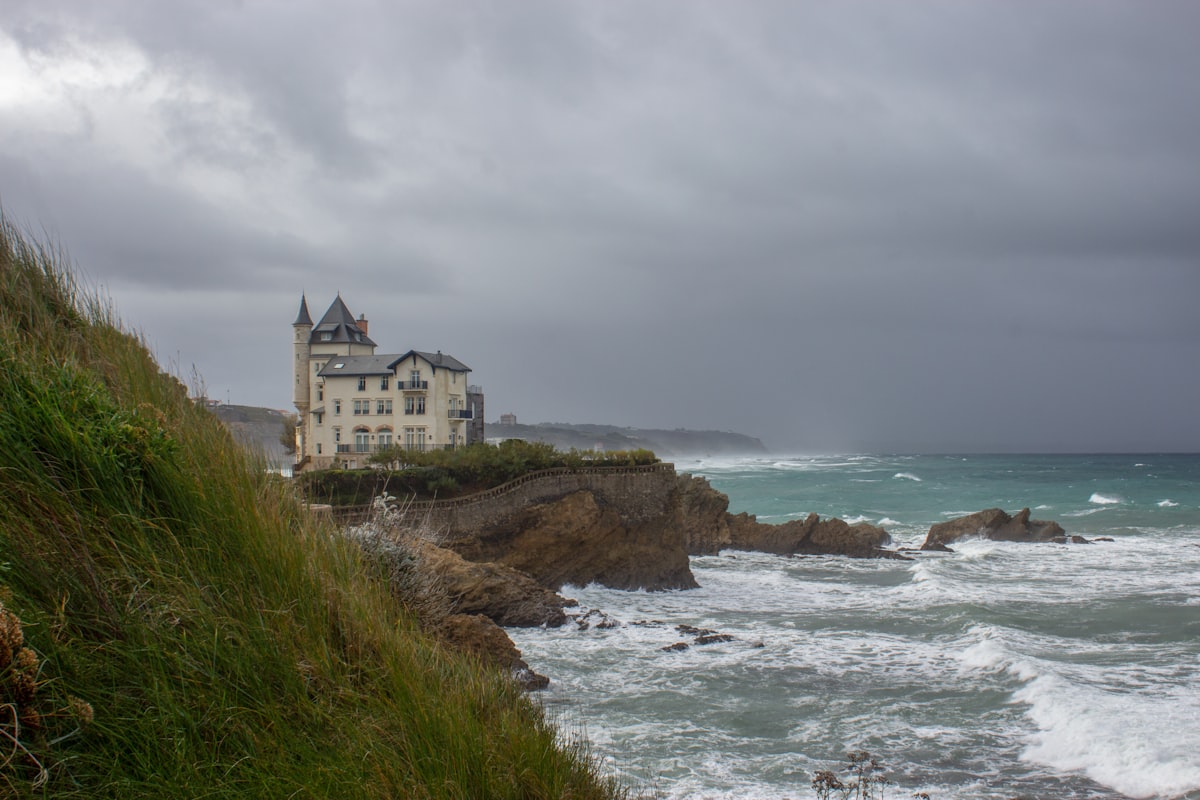
Surf the Côte des Basques: This beach is the heart of French surfing—the place where the sport first took hold in the 1950s. The wave is gentle and rolling, perfect for beginners. Numerous surf schools line the beach offering lessons (€35-45 for 1.5 hours including board and wetsuit). Gliss Surf School and Hastea are reputable options. Even if you don't surf, the beach is spectacular for sunset—the view from the promenade as the sun sinks into the Atlantic draws crowds every evening. The Villa Beltza, a Russian Orthodox-style mansion, provides a dramatic backdrop. July is busy—get there before 10am to secure a spot on the sand.
Grande Plage & the Casino: The main beach is where Biarritz's social scene happens. It's a classic European beach experience: striped tents for rent (€20-30/day), a promenade for strolling, and the Belle Époque architecture creating an elegant backdrop. The beach is sandy and swimmable but can have waves—pay attention to lifeguard flags. Above the beach, the Casino Barrière is the place for evening entertainment—slot machines, poker, and a theater with concerts and shows (evening dress code). The terrace café offers excellent people-watching over coffee or cocktails.
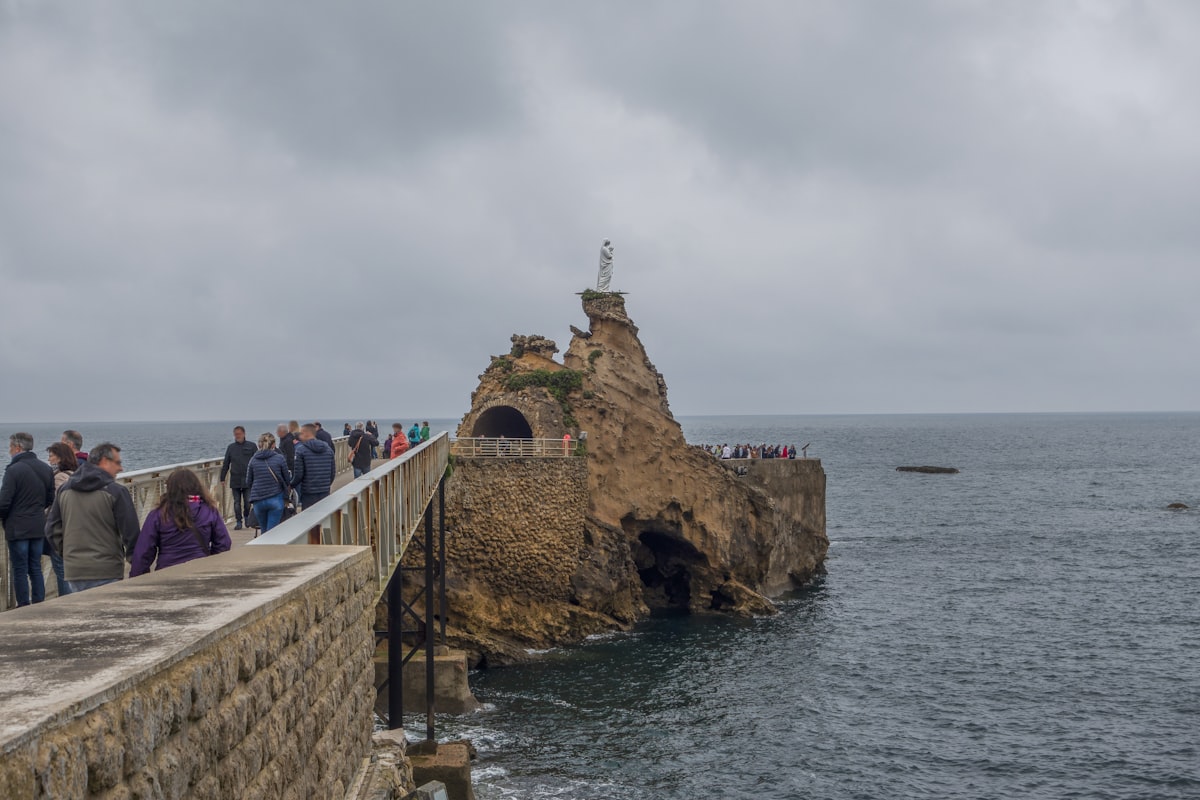
Port-Vieux & Rocher de la Vierge: The old fishing port is Biarritz's most picturesque corner, where blue and white boats bob in the harbor and restaurants serve the day's catch. The rock formations here are spectacular—a metal footbridge leads to the Rocher de la Vierge, a statue of the Virgin Mary perched atop a rock outcrop, placed there by sailors grateful for surviving shipwrecks. The views back toward the Grande Plage and the lighthouse are the classic Biarritz photo. The restaurants around the port are tourist-priced but atmospheric; grab a drink and watch the sunset here.
Thalassotherapy: Biarritz invented the modern spa holiday, and the thalassotherapy centers remain a major draw. Thalmar, overlooking the Côte des Basques, offers seawater treatments including algae wraps, jet baths, and massages using seawater heated to body temperature (€80-150 for treatments). The Hôtel du Palais has a luxury spa with indoor pool. Even if you're not staying at luxury hotels, day passes are available at several centers. It's the perfect rainy-day or too-much-sun activity—emerging relaxed and smelling faintly of the sea.
Biarritz Lighthouse & Phare de Biarritz: The red-and-white lighthouse stands 73 meters above sea level on the Pointe Saint-Martin, offering panoramic views of the coast from the Spanish border to the Landes forest. You can climb the 248 steps to the top (€4) for spectacular views. The walk from the city center takes you through residential neighborhoods of Belle Époque villas, past the aquarium (worth a visit for families), and along the coast. It's a pleasant morning or late afternoon excursion, especially when the coastal path isn't too crowded.
Food Scene
Basque pintxos and Atlantic seafood
Biarritz's cuisine blends Basque and French traditions, with an emphasis on seafood from the Atlantic and ingredients from the nearby Pyrenees. The Basque influence means pintxos (small bites served on bread, held together with toothpicks) are as common as French hors d'oeuvres, and Espelette pepper—a mildly spicy red pepper grown in the region—appears on everything from eggs to chocolate. The Atlantic provides fish and shellfish; the nearby Adour River is famous for lampreys and salmon; and the Pyrenees provide sheep's milk cheeses and cured ham. It's a cuisine of strong flavors and generous portions.
Local Specialties: Pintxos—Basque tapas, served at bars along the counters, pay by the toothpick. Gâteau Basque—a cake filled with pastry cream or cherry compote, served at tea time. Axoa—a veal stew with peppers and tomatoes. Poulet Basquaise—chicken braised with tomatoes, peppers, and white wine. Fromage de brebis—sheep's milk cheeses from the Pyrenees, especially Ossau-Iraty. Jambon de Bayonne—cured ham from the nearby city, protected by AOC status. And Espelette pepper—the region's signature spice, used dried or fresh.
Where to Eat: For pintxos, Bar Jean in the center is an institution—stand at the bar, order a beer or txakoli (Basque sparkling white wine), and choose from the array of small bites on the counter (€2-4 each). Chez Albert at the Port-Vieux serves excellent seafood with harbor views—the grilled sardines are a classic (€25-35). For modern Basque cuisine, Ilura offers Michelin-starred dining with Atlantic views (€80-120). For something casual, Le Chistera serves hearty Basque dishes in a rustic setting popular with locals (€20-30).
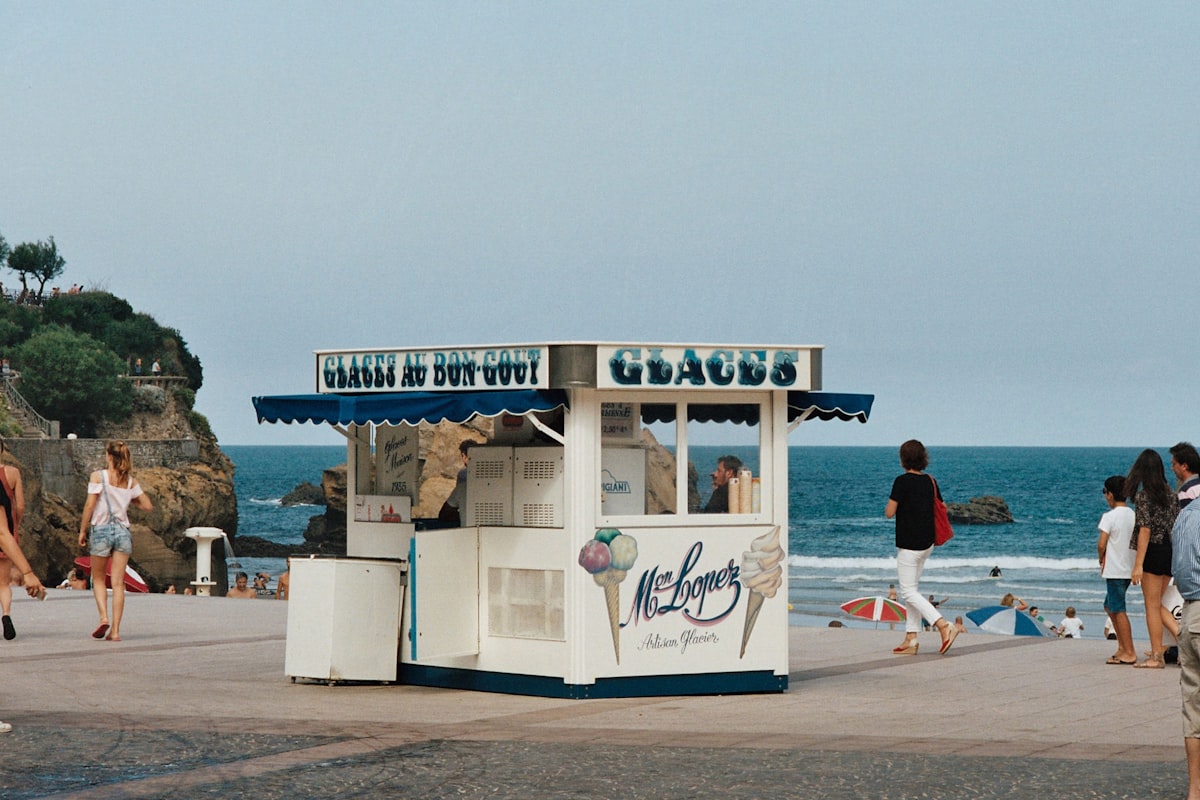
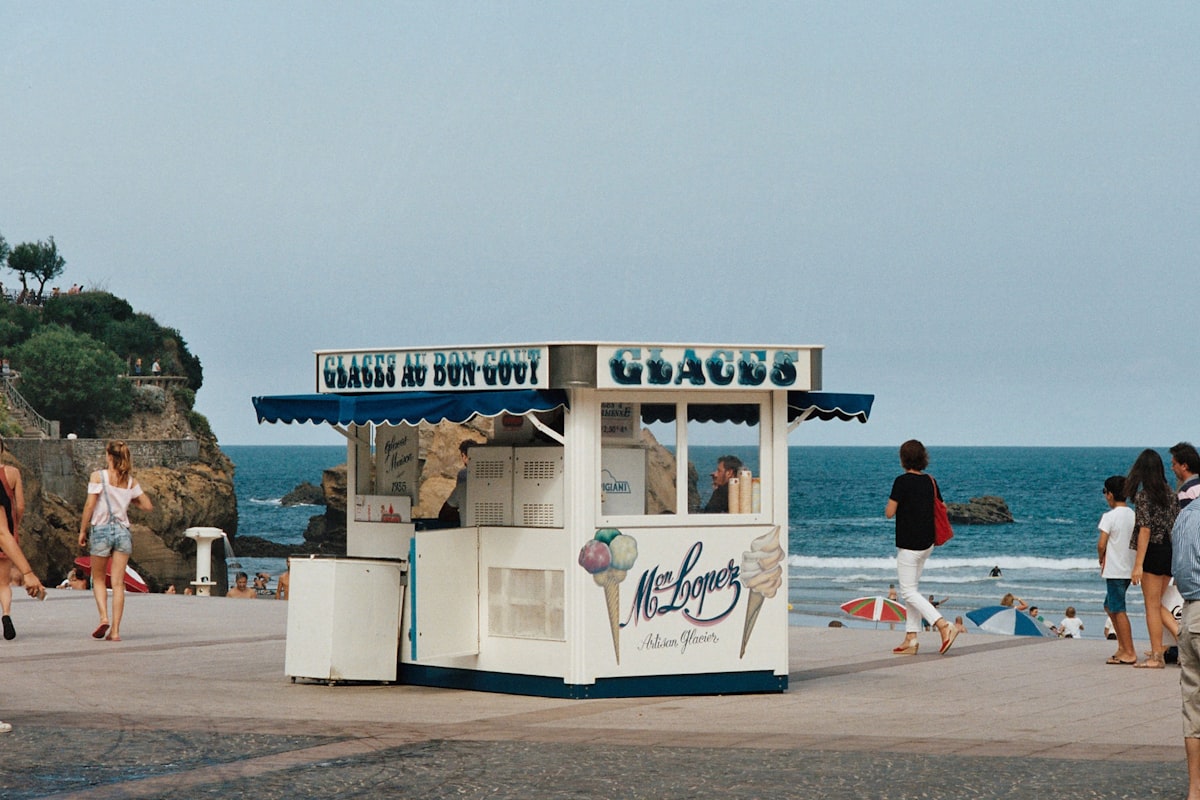
Markets & Beach Food: The Les Halles covered market in the center is the place for fresh ingredients—fish, cheese, ham, and produce. Grab supplies for a beach picnic. For on-the-beach eating, vendors sell crêpes, ice cream, and sandwiches from kiosks along the Grande Plage. Biarritz's best food experience might be the sunset apéro at the Côte des Basques—bring wine, cheese, and ham from the market, find a spot on the rocks, and watch the sun sink into the Atlantic with the surfers silhouetted against the orange sky.
Day Trips
Bayonne, the coast, and the Spanish border
Bayonne: Just 20 minutes by bus or car, this is the cultural capital of the French Basque Country. The Nive and Adour rivers divide the town into atmospheric quarters connected by bridges. The Gothic cathedral dominates the skyline; the covered market is one of France's finest; and the old town is full of shops selling Basque linens, espadrilles, and chocolate (Bayonne is France's chocolate capital, thanks to Jewish refugees from Portugal who brought cacao in the 16th century). The difference between touristy Biarritz and working-class Bayonne is striking—come here for authentic Basque life. Don't miss the ham museum (Musée du Jambon de Bayonne)—it sounds silly but is genuinely interesting.
Hossegor & the Surf Coast: 45 minutes north lies the epicenter of French surfing. Hossegor's beaches—especially La Gravière and Les Estagnots—offer some of Europe's best waves, hollow barrels that attract pros from around the world. The town is purpose-built for surf culture: surf shops, skate parks, and casual seafood restaurants. Even if you don't surf, it's worth a day trip to watch the pros, shop for surf gear at better prices than Biarritz, and experience the alternative side of the Basque Coast. September-October brings the Quiksilver Pro; July is smaller but still consistent.
San Sebastian, Spain: 45 minutes south by car or bus (cross the French-Spanish border), this is one of Europe's greatest food cities. The Parte Vieja (old town) is dense with pintxos bars where culinary creativity reaches heights unknown in France. The two beaches—La Concha (elegant, calm) and Zurriola (surf, young)—complement each other perfectly. The city has three Michelin three-star restaurants if you want to splurge (book months ahead). It's an easy day trip: take the morning bus, spend the day eating and wandering, return in the evening. Remember Spain is one hour ahead of France.
Practical Tips
Surf etiquette and Basque customs
Surf Safety & Etiquette: The Atlantic has stronger currents than the Mediterranean—pay attention to lifeguard flags. Green means safe; yellow means caution; red means no swimming. The Côte des Basques is beginner-friendly, but the Grande Plage can have rip currents. Surf etiquette applies: don't drop in on another surfer's wave, and give right of way to surfers closest to the peak. If you're learning, stick to the whitewater near the shore. July crowds mean you need to be up early (before 8am) for uncrowded waves.
Basque Language & Culture: The Basque language (Euskara) is unrelated to any other European language—you'll see it on street signs alongside French. Attempting a few words ("Kaixo" for hello, "Eskerrik asko" for thank you) is appreciated. The Basque flag (red, green, and white) flies everywhere alongside the French tricolor. August 15th brings the Fêtes de Bayonne—massive street parties with locals dressed in white with red neckerchiefs. If visiting then, book accommodation a year ahead.
Beach Strategy: Biarritz's beaches are free but fill up by 11am in July. The Grande Plage has paid umbrella rentals (€20-30/day); the Côte des Basques has none—bring your own shade. Parking is expensive near the beaches (€2-3/hour); use the free parking at the Stade d'Aguiléra and walk 10 minutes, or take the bus. For a wilder experience, drive 20 minutes north to the beaches of Anglet or 30 minutes to the nature reserve at Courant de Huchet.
Clothing & Packing: July is warm but rarely hot (22-26°C), with cool evenings (18-20°C). Bring layers—a light jacket for evenings is essential. The beach uniform is casual: espadrilles (sold everywhere), shorts, and a striped shirt. For the casino and upscale restaurants, smart casual is required (no shorts, no flip-flops). Wetsuits are provided with surf lessons, but if you're surfing independently, bring a 3/2mm full suit for July water temperatures (20-22°C).
Frequently Asked Questions
When is the best time to visit Biarritz?
+July and August are peak season—warmest water (20-22°C), most consistent waves, and a vibrant atmosphere. However, they're also the most crowded and expensive. September offers excellent surf (often better than summer), warm water, fewer crowds, and lower prices. June is pleasant but the water is cooler (18°C). October brings the Quiksilver Pro competition and autumn swells. Avoid November-March unless you're an experienced surfer—the waves are big and the town is quiet.
Do I need to surf to enjoy Biarritz?
+Not at all. While surfing is central to Biarritz's identity, the city offers plenty for non-surfers: Belle Époque architecture, excellent food (especially seafood and Basque cuisine), the casino, thalassotherapy spas, and easy day trips to Bayonne and San Sebastian. The beaches are beautiful for swimming and sunbathing, and the coastal walks are spectacular. Biarritz works equally well as a romantic getaway, a family beach holiday, or a food-focused trip.
Is Biarritz expensive compared to the Riviera?
+Biarritz is significantly cheaper than Nice or Cannes. Mid-range hotels run €120-180/night versus €200+ on the Riviera. Dining is more affordable—expect €30-40 for a good dinner versus €50-60 on the Mediterranean coast. The beach is free (no private beach club culture). Where Biarritz gets expensive is luxury—the Hôtel du Palais and Michelin-starred restaurants match Riviera pricing. Overall, budget 20-30% less than you would for an equivalent trip to Nice or Saint-Tropez.
Do I need a car in Biarritz?
+No—the city center is compact and walkable, buses serve Anglet and Bayonne, and the train connects to San Sebastian. Rent a car only if you're planning multiple day trips to Hossegor, the Pyrenees, or deep into Spain. Parking in Biarritz is expensive and frustrating; many hotels charge €15-25/night. The airport is 10 minutes by bus from the center. If you're here primarily for surfing, a car lets you chase the best breaks up and down the coast.
What's the difference between Biarritz and Anglet?
+Biarritz is the historic resort town with Belle Époque architecture, the casino, and a sophisticated atmosphere. Anglet is its northern neighbor—more modern, more residential, and more focused on surf culture. Anglet's beaches (Chambre d'Amour, Cavaliers) have better surf breaks and fewer crowds than Biarritz proper. Accommodation in Anglet is cheaper and often more spacious. The two are connected by bike path and bus; many visitors stay in Anglet and visit Biarritz for dining and nightlife. Choose Biarritz for elegance, Anglet for value and surf.