Valencia is Spain's best-kept secret — a city where you can walk from medieval streets to a beach in 15 minutes, eat the world's best paella where it was invented, and pay half what Barcelona charges for everything. In July 2026, the city hosts beach festivals, the Turia Gardens are lush, and the Mediterranean is warm enough for morning swims before sightseeing.
The reality: Valencia delivers Barcelona's beach-city vibe at Madrid prices. Hotels from €55-120/night vs Barcelona's €130-180. Restaurants are 20-30% cheaper. The metro is efficient and cheap. You get Gothic architecture, a futuristic City of Arts and Sciences, 300 days of sun, and 22km of beaches — all walkable or a short bike ride apart.
Why July 2026: Warm evenings (25-30°C), beach events, and the city in full swing. Unlike Barcelona, Valencia never feels overwhelmed by tourists. The local vibe stays authentic even in peak season. Plus: it's the birthplace of paella, and July is prime time for the real thing in the Albufera rice fields.
Valencia vs Barcelona: Valencia wins on value (cheaper hotels, food, transport), beach proximity (city center to sand in 15 min), and authentic Spanish daily life. Barcelona wins on Gaudí and international fame. For travelers prioritizing beaches + city on a budget, Valencia is the smarter choice.
Where to Stay
Neighborhoods and 2026 pricing
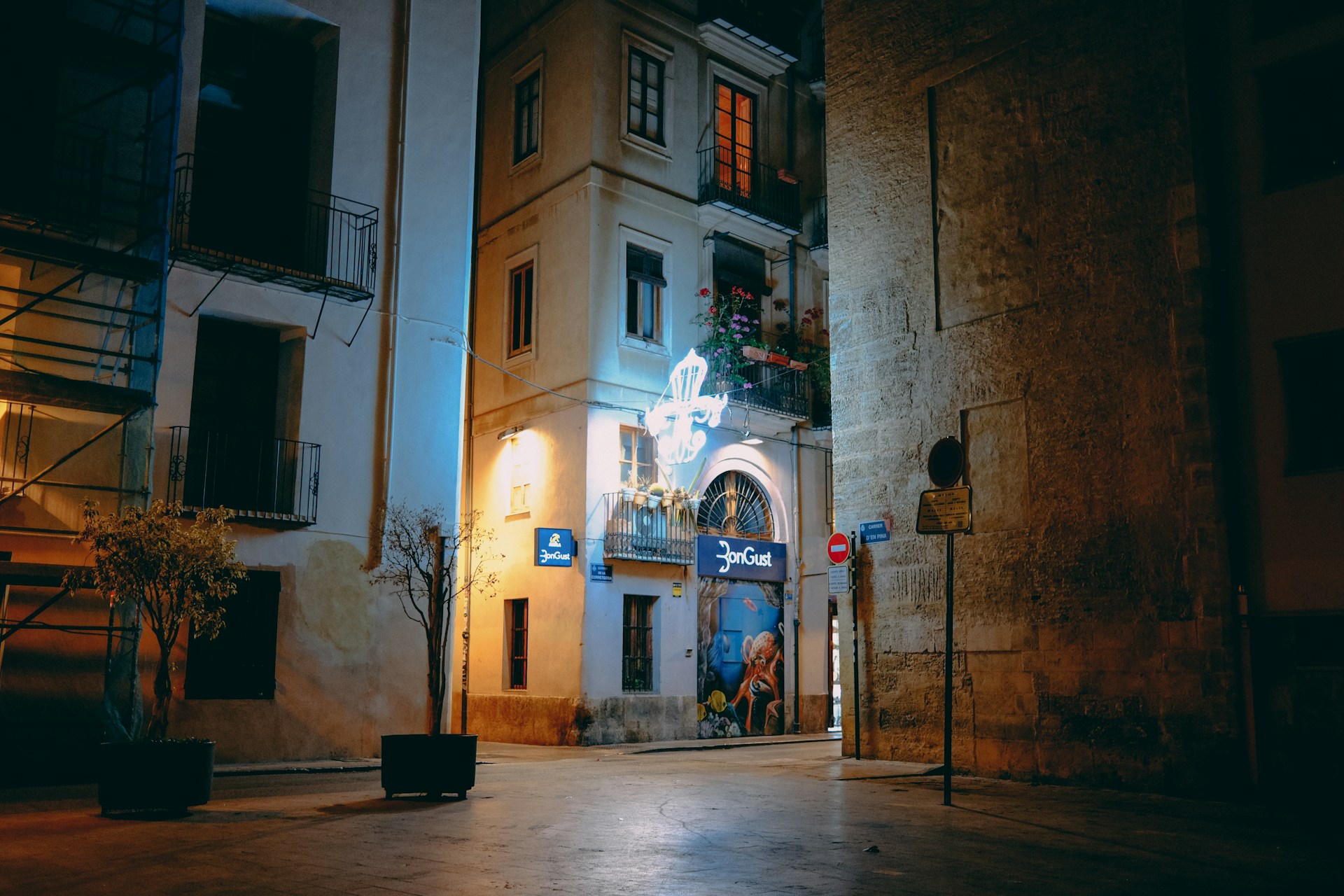
Ciutat Vella (Old Town): The historic center — Valencia Cathedral, Silk Exchange (Lonja), Central Market, and medieval alleyways that suddenly open into sunny plazas. Hotels €70-140/night. The area comes alive at night with tapas bars on every corner. Best for first-timers who want to walk everywhere. Metro: Xàtiva, Colón.
Russafa (Ruzafa): The hipster neighborhood south of the center — vintage shops, craft coffee, street art, and the best restaurant scene in the city. This is where young Valencians actually live and go out. Hotels €60-120/night. Packed with Airbnb options in converted apartments. Metro: Xàtiva, Bailén.
El Cabanyal: The beach neighborhood — traditional fishermen's houses with tiled facades, a laid-back vibe, and the sand just blocks away. Historically rough but rapidly gentrifying with boutique hotels and cafes. €65-130/night. Best for beach lovers who want a local experience. Metro: Marina Reial Juan Carlos I, then tram to beach.
2026 Accommodation Costs (July)
Budget
€15-35
Hostel dorm/night
Center Valencia, River
Mid-Range
€60-120
3-star hotel/night
Ciutat Vella, Russafa
Luxury
€150-250+
4-5 star hotel/night
Malvarrosa, center
Source: Serper 2026 data. Valencia is significantly cheaper than Barcelona and Madrid. Average hotel: €55-110/night.
Daily Costs
Realistic daily budgets for July 2026
Budget Traveler (€45-70/day): Hostel dorm (€15-30/night), menú del día lunch (€10-14), supermarket breakfast/dinner, walking or metro day pass (€4.50), free attractions (beach, Turia Gardens). Total: €315-490/week.
Mid-Range Comfort (€90-140/day): Hotel in Russafa or Old Town (€70-110/night), restaurant lunches (€15-22), tapas dinner with wine (€25-35), City of Arts and Sciences entry (€8-38), occasional taxi. Total: €630-980/week.
Luxury Experience (€180-350/day): Boutique hotel (€150-220/night), rooftop dining, Albufera boat trip (€40), paella cooking class (€60), all attractions. Total: €1,260-2,450/week.
Cost Breakdown by Category
| Category | Budget | Mid-Range | Luxury |
|---|---|---|---|
| Accommodation/night | €15-30 | €70-110 | €150-220+ |
| Food/day | €15-25 | €40-55 | €80-120 |
| Transport/day | €2-5 | €5-10 | €15-25 |
| Attractions/day | €0-15 | €15-40 | €50-100 |
| Total/Day | €45-70 | €90-140 | €180-350+ |
Money-Saving Tips: (1) Menú del día at lunch — €10-14 for three courses with wine. (2) Valencia Tourist Card — free public transport plus museum discounts. (3) Free entry to many museums on Sundays. (4) Eat paella in Albufera villages — half the price of city restaurants.
Top Things to Do
Essential Valencia experiences
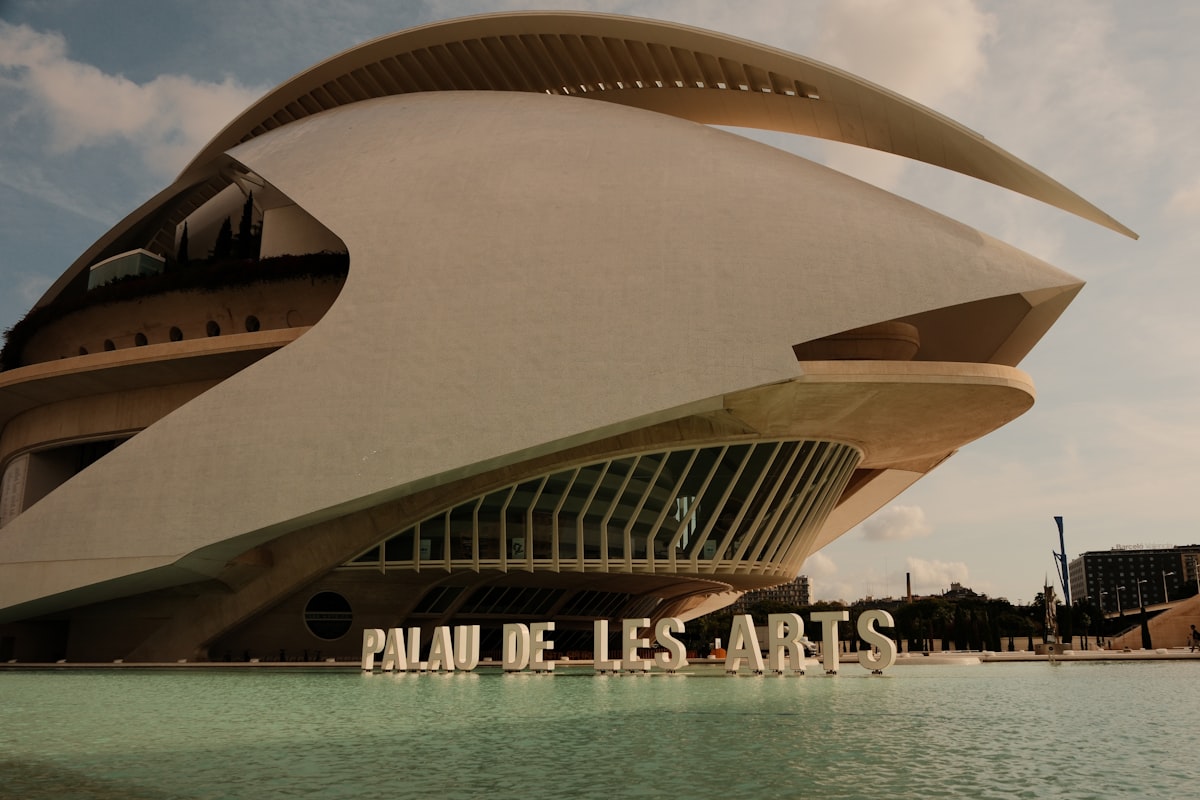
City of Arts and Sciences (€8-38): The futuristic complex by Santiago Calatrava — the Oceanogràfic (Europe's largest aquarium, €38), Hemisfèric (IMAX, €9), Science Museum (€9). The architecture itself is worth seeing. Evening light shows on the water are free.
Valencia Cathedral and Holy Grail (€9): The Gothic-Renaissance cathedral claims to house the actual Holy Grail. The Micalet bell tower (€2) offers panoramic views. The Plaza de la Virgen outside is one of Spain's prettiest squares.
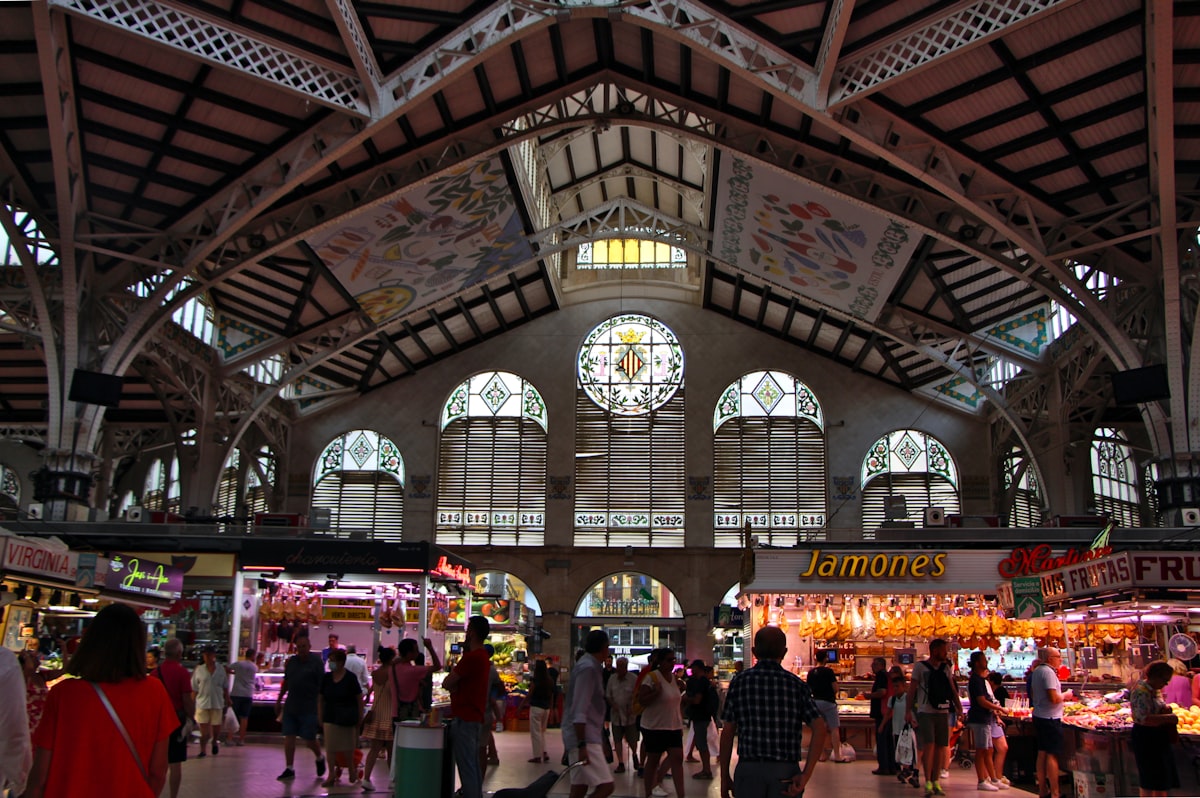
Central Market (Mercat Central): One of Europe's most beautiful markets — 8,000 sqm of modernista architecture, stained glass, and fresh produce. Open mornings only. Free to enter. Buy horchata and fartons from the stalls.
Turia Gardens (Jardí del Turia): A 9km linear park built in the former riverbed. Playgrounds, fountains, sports facilities, and the City of Arts and Sciences at the end. Walk or bike it. Completely free.
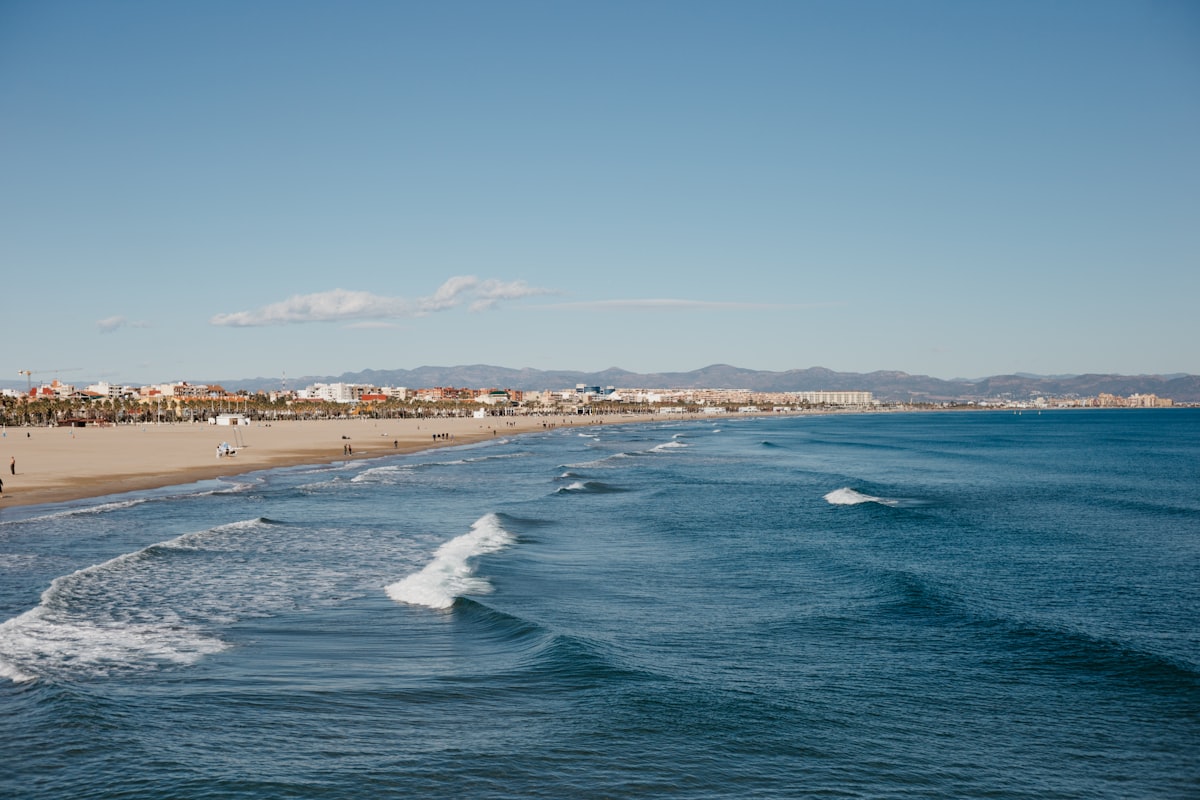
Malvarrosa Beach: The wide city beach — sandy, backed by a palm-lined promenade with restaurants. Metro + tram access. Water quality is excellent. Free entry, €3-5 for sunbeds.
Attraction Ticket Prices 2026
Tourist Card includes free transport and museum discounts. Free entry Sundays.
Food & Paella
Where and what to eat in Valencia
Authentic Paella: Valencia is the birthplace of paella — not seafood, but the original with rabbit, chicken, snails, and garrofón beans. Real paella is cooked over wood fire and takes 30-40 minutes. If it comes in 10 minutes, it's not authentic.
Where to Eat Paella: The Albufera villages — El Palmar, Sollana — are where locals go. Casa Carmela (El Palmar, €25-35/person) and L'Establiment have been cooking it for generations. Never order paella for dinner — it's strictly lunch. Never order for one person — minimum two.
Horchata and Fartons: Valencia's signature drink — horchata made from tiger nuts, served with fartons (sweet pastries) for dipping. Horchatería Daniel or Santa Catalina have been making it for centuries. €3-4 for a glass and farton.
Agua de Valencia: The dangerously drinkable local cocktail — cava, orange juice, vodka, gin. €12-18 for a small pitcher, €20-30 for large. Order by the pitcher to share.
Mercat Central: Come for breakfast — horchata from the stalls, fresh juice, Spanish omelette. The market closes at 2:30pm. The building itself is the attraction.
Getting Around
Metro, bus, bike, and walking
Metro: Clean, modern, efficient — connects the airport (€4.50), city center, and beach. Single tickets €1.50-4.50. Bonometro 10-trip card €9-25. The city center is walkable; metro is best for airport and beach.
Biking: Valencia Bike (Valenbisi) — city bike share has stations everywhere. €13.30 for a weekly pass. The city is completely flat with 160km of bike lanes. The Turia Gardens bike path is the best way to traverse the city.
Taxis: Abundant and reasonably priced. Base fare €4, €1.10/km. From airport to city center: €20-25 taxi, €4.50 metro.
Transport Costs 2026
Day Trips
Escaping the city for a day
Albufera Natural Park (€5-15): The freshwater lagoon and rice fields south of Valencia — bus 25 from center (45 min) to El Palmar. Boat rides (€5-8), bird watching, real paella restaurants. Sunset over the lake is spectacular.
El Saler Beach: The wild beach backed by pine forest and dunes — part of Albufera park, less crowded than city beaches. Bus from city takes 30 minutes.
Requena (wine region): High-altitude wine country 70km west — bobal grape country, underground wine cellars. Cava is made here too. Train from Valencia (1 hour).
Disclosure: Tour links are affiliate links. We earn a small commission at no extra cost to you.
Disclosure: These are affiliate links. We earn a small commission at no extra cost to you.
FAQ
Quick answers to common questions
Is Valencia safe?
Very safe. One of Spain's safest cities. Normal precautions apply in tourist areas — watch bags at the beach, don't leave phones on outdoor tables. The Russafa neighborhood is gentrified but still has some sketchy corners at night.
Do I need to speak Spanish?
English is widely spoken in tourist areas, hotels, and restaurants. Valencian (Catalan dialect) is co-official and widely used on signs, but everyone speaks Spanish. Basic Spanish is appreciated in local bars.
How hot is July in Valencia?
Hot but bearable — 28-32°C (82-90°F) with Mediterranean humidity. The sea breeze helps. Morning sightseeing, afternoon beach/relaxation, late dinners is the rhythm. All accommodation should have AC.
Can I swim in July?
Absolutely — water temperature is 24-26°C (75-79°F), perfect for swimming. The beaches are sandy with gentle entry. Lifeguards on duty at main beaches. Blue Flag certified water quality.
Is the Valencia Tourist Card worth it?
Yes if you plan to use public transport and visit museums. €17 for 24h includes unlimited metro/bus and free/discounted entries. Pays for itself with 3+ metro rides and one attraction.
The Toolkit We Actually Use
Saily — eSIM for Europe
Reliable, affordable internet across 35 European countries. Instant activation.
ConnectivityEKTA — Travel Insurance
Medical & health coverage with 24/7 assistance. Comprehensive travel protection.
EssentialWise — Multi-Currency Card
Real exchange rates, no hidden fees. The most international debit card.
EssentialWise — Money Transfer (US)
Send money internationally with low fees. Great rates for larger transfers.
BankingDisclosure: These are affiliate links. We earn a small commission at no extra cost to you.
Frequently Asked Questions
Valencia · Common questions answered
Is Valencia cheaper than Barcelona?
Yes, significantly. Valencia hotels average €55-110/night vs Barcelona's €110-130. Food and restaurants are 20-30% cheaper. Transport costs are similar. Overall you'll save €30-50/day in Valencia compared to Barcelona, while getting a comparable beach-city experience.
How many days do you need in Valencia?
Three days is ideal: one day for the City of Arts and Sciences, cathedral, and Central Market; one day for Malvarrosa beach and El Cabanyal neighbourhood; one day for an Albufera paella lunch and Russafa tapas. A quick 2-day trip is possible but rushed.
Where was paella invented?
Paella originated in the rice fields and wetlands of the Albufera lagoon, south of Valencia. The original recipe uses rabbit, chicken, snails, and local garrofón beans — not seafood. The dish spread from Valencian farmworkers' lunches in the 19th century to become Spain's most famous food.
Is Valencia beach good?
Yes. Malvarrosa and Patacona beaches are wide, sandy, and backed by a pleasant promenade. Water quality is Blue Flag certified. They're less crowded than Barcelona's Barceloneta and easier to access by metro. El Saler beach (30 min by bus) is wilder and backed by pine forest.