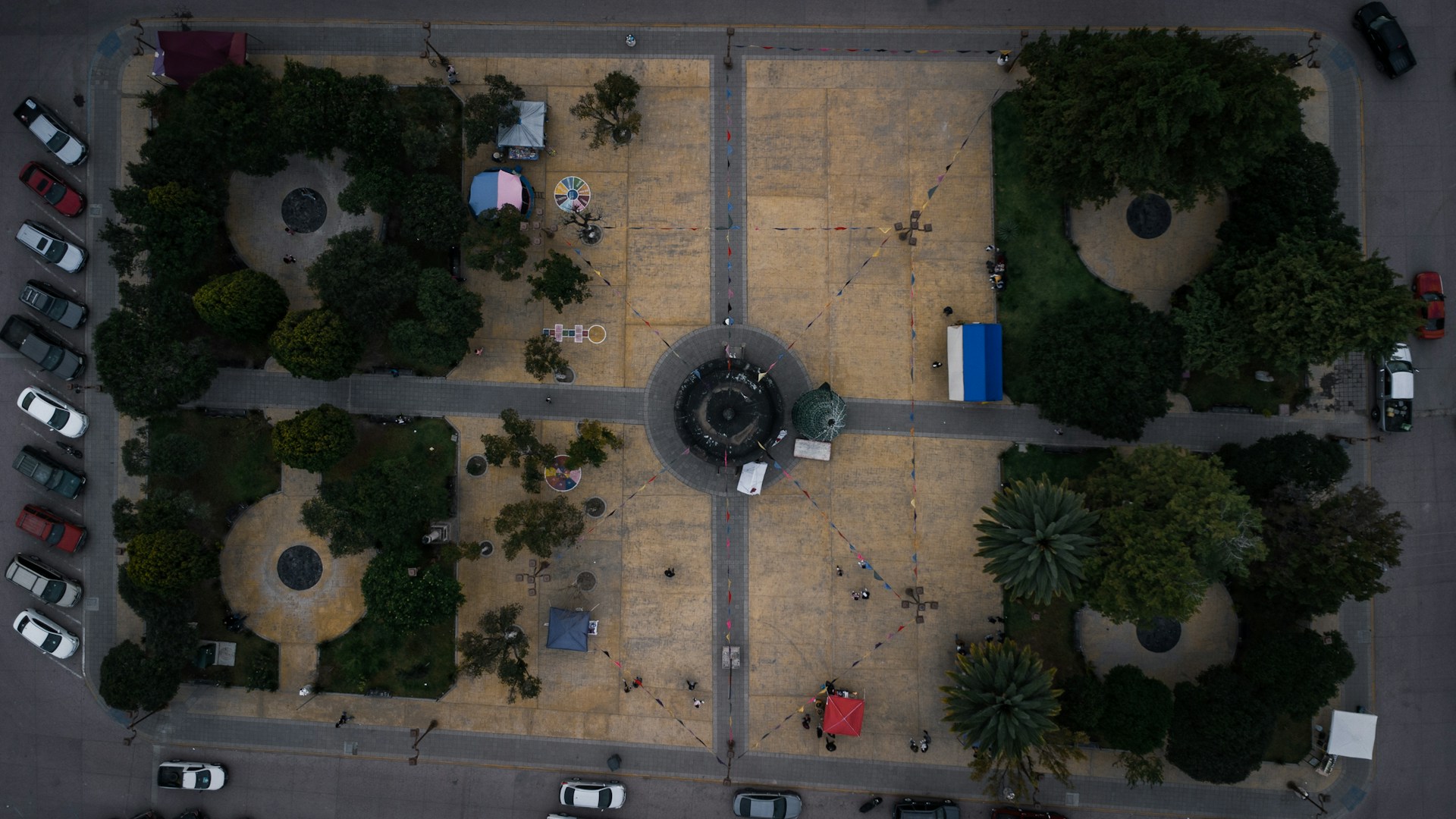
Salamanca is built from Villamayor sandstone, a local stone with an unusually warm golden colour that intensifies at sunset. At 19:00 on a clear autumn evening, standing in the Plaza Mayor while the colonnades glow amber and the cathedral bells ring, you understand exactly why this is called La Ciudad Dorada — The Golden City. It's one of the most beautiful urban spaces in Europe, and it doesn't charge entry.
Salamanca is also a university city — the University of Salamanca, founded in 1218, is the oldest in Spain and fourth-oldest in Europe. 30,000 students in a city of 150,000 means a young, energetic atmosphere, cheap eating, and bars that run late. It's also very affordable by Spanish standards.
Daily Costs 2026
One of Spain's most affordable university cities
| Item | Cost (2026) |
|---|---|
| Hostel dorm | €16–24 |
| Budget hotel / guesthouse | €40–60 |
| Mid-range hotel | €65–90 |
| University cloisters (Escuelas Mayores) | €10 (includes Library & History Museum) |
| New + Old Cathedral (Ieronimus tower) | €5.50 combined |
| Casa Lis Art Nouveau Museum | €5 |
| Lunch menú del día | €9–12 |
| Tapas evening (4–5 bars) | €12–18 |
| Budget daily total | €45–60 |
University of Salamanca
The frog, the cloisters, and the oldest lecture halls in Spain
The University of Salamanca was founded in 1218 by Alfonso IX of León — making it the oldest university in Spain and one of the oldest four in the world (alongside Bologna, Oxford, and Paris). At its peak in the 16th century, it enrolled over 7,000 students and was one of the greatest centres of learning in Europe. Christopher Columbus consulted its scholars before his Atlantic voyage.
The Escuelas Mayores façade is one of the finest examples of Plateresque architecture in Spain — a style so named because its intricate stone carving resembles silversmith work (platero = silversmith). The 16th-century façade is covered in medallions, shields, coats of arms, and hidden figures. Among them is a small frog carved on a skull. Finding the frog is a Salamanca tradition: students do it before exams for luck. Hint: stand back and look at the top third of the façade, on the right pillar. The skull is there; the frog is on it. Takes about 90 seconds once you know where to look.
The cloisters and interior (€10) include the original lecture halls (Aula Fray Luis de León is unchanged since the 16th century — wooden benches, tallow candle holders, a stone pulpit), the university library with 160,000 books including some of the oldest printed volumes in Spain, and the Chapel with its extraordinary ceiling. Worth the €10 without question.
Plaza Mayor
Spain's most beautiful square — and it's free
The Plaza Mayor of Salamanca (1729–1755, designed by Alberto de Churriguera) is, by near-universal agreement, the most beautiful plaza mayor in Spain — more harmonious and architecturally unified than Madrid's, more intimate than Seville's. The uniformity of the golden sandstone arcades surrounding all four sides, the 88 arches and 18 medallion portraits of Spanish monarchs and heroes, and the bell tower of the City Hall rising at one end create a space of exceptional elegance.
It's also free, open 24 hours, and genuinely used by the city. Mornings see old men reading newspapers at the café terraces. Afternoons see school groups, families, and tourists. Evenings from 20:00 onward see university students on their way from bar to bar. Stay long enough to see all three shifts.
The cafes in the Plaza Mayor are expensive (€3.50 for coffee). Walk two streets south and pay €1.50 for the same coffee at a bar used by locals.
The Two Cathedrals
Old and New, side by side
Salamanca has two cathedrals sitting directly adjacent — the Old Cathedral (Catedral Vieja, Romanesque, built 1120–1178) and the New Cathedral (Catedral Nueva, Gothic-Renaissance, built 1513–1733). The Old Cathedral is the smaller and more interesting: a magnificent Byzantine dome called the Torre del Gallo, the 15th-century altarpiece of 53 painted panels, and a 12th-century organ that is the oldest playable pipe organ in the world.
Entry to both (€5.50 combined) includes access to the Ieronimus tower — you can walk sections of the New Cathedral roof and the tower for aerial views of the city and the Tormes River. The tower walk is the best view in Salamanca and is well worth the combined ticket.
Opening hours: Both cathedrals open 10:00–20:00 in summer, 10:00–17:30 in winter. The Ieronimus tower roof access has a timed entry system — book your slot in advance at the cathedral entrance.
Food Scene
Castilian roasts, tapas, and student-budget eating
Salamanca is in Castile — the land of asados (roast meats). Lechazo (roast suckling lamb) and cochinillo (roast suckling pig) are the prestige dishes, cooked in wood-fired stone ovens for 3–4 hours until the skin is crackling and the meat falls off the bone. The best versions (€18–24 for a ración) are at Restaurante Río de la Plata and Mesón Cervantes.
For budget eating, the streets around Rúa Mayor and the university are packed with bars serving cheap tapas and the €9–12 menú del día that students eat daily. Calle Van Dyck and Calle Prior have some of the best-value restaurants. Most bars in the university area give a free tapa with every drink.
Casa Lis (Art Nouveau Museum) has a good café for lunch. The Mercado Central on Plaza del Mercado has fresh produce and market bars for breakfast and early lunch.
Practical Tips
Getting there, when to visit, what to book
Getting there: Salamanca has no airport. Buses from Madrid (2.5 hours, €9–15 with ALSA from Estación Sur or Moncloa) run every 30–60 minutes and are the most convenient option. Trains from Madrid (RENFE, 1.5–2.5 hours depending on service, €12–25) run several times daily to Salamanca station (a 15-minute walk from the centre). Buses from Porto, Portugal (3 hours) run 2–3 times daily — good for Portugal–Spain itineraries.
When to visit: Salamanca is good year-round. Spring and autumn are ideal — warm but not hot, the students are in residence (university term runs October–June), and the light is beautiful. Summer is slightly quieter (many students leave) but warm and pleasant. The Semana Santa (Easter) processions are exceptionally atmospheric in Salamanca's golden streets.
Sunset: The best light on the Plaza Mayor and the cathedral façades is 30–40 minutes before sunset. This is the defining Salamanca experience and entirely free.
Disclosure: Tour links are affiliate links. We earn a small commission at no extra cost to you.
Disclosure: These are affiliate links. We earn a small commission at no extra cost to you.
FAQ
Common questions about Salamanca 2026
Why is Salamanca called the Golden City?
Salamanca is built almost entirely from Villamayor sandstone — a local stone with an unusually warm golden colour. At sunset the entire city appears to glow, particularly the Plaza Mayor colonnades and the cathedral façades. The name La Ciudad Dorada (The Golden City) refers to this effect.
How much does Salamanca cost per day in 2026?
One of Spain's most affordable cities. Budget travellers (hostel, tapas meals, university cloisters) spend €45–60/day. The Plaza Mayor, cathedral exteriors, and city streets are entirely free.
What is the frog at Salamanca University?
A small frog carved on a skull in the 16th-century Plateresque façade of the University of Salamanca. Finding it before an exam is a student tradition said to bring good luck. It's in the top third of the façade, on the right pillar. Look for the skull first, then the frog on top of it.
Is Salamanca worth a day trip from Madrid?
Yes — 2.5 hours by bus (€9–15) or 1.5 hours by train (€12–25). A day gives you the Plaza Mayor, University façade, both cathedrals, and the Ieronimus tower. An overnight stay lets you experience the sunset light and the evening student atmosphere — both are worth the extra time.