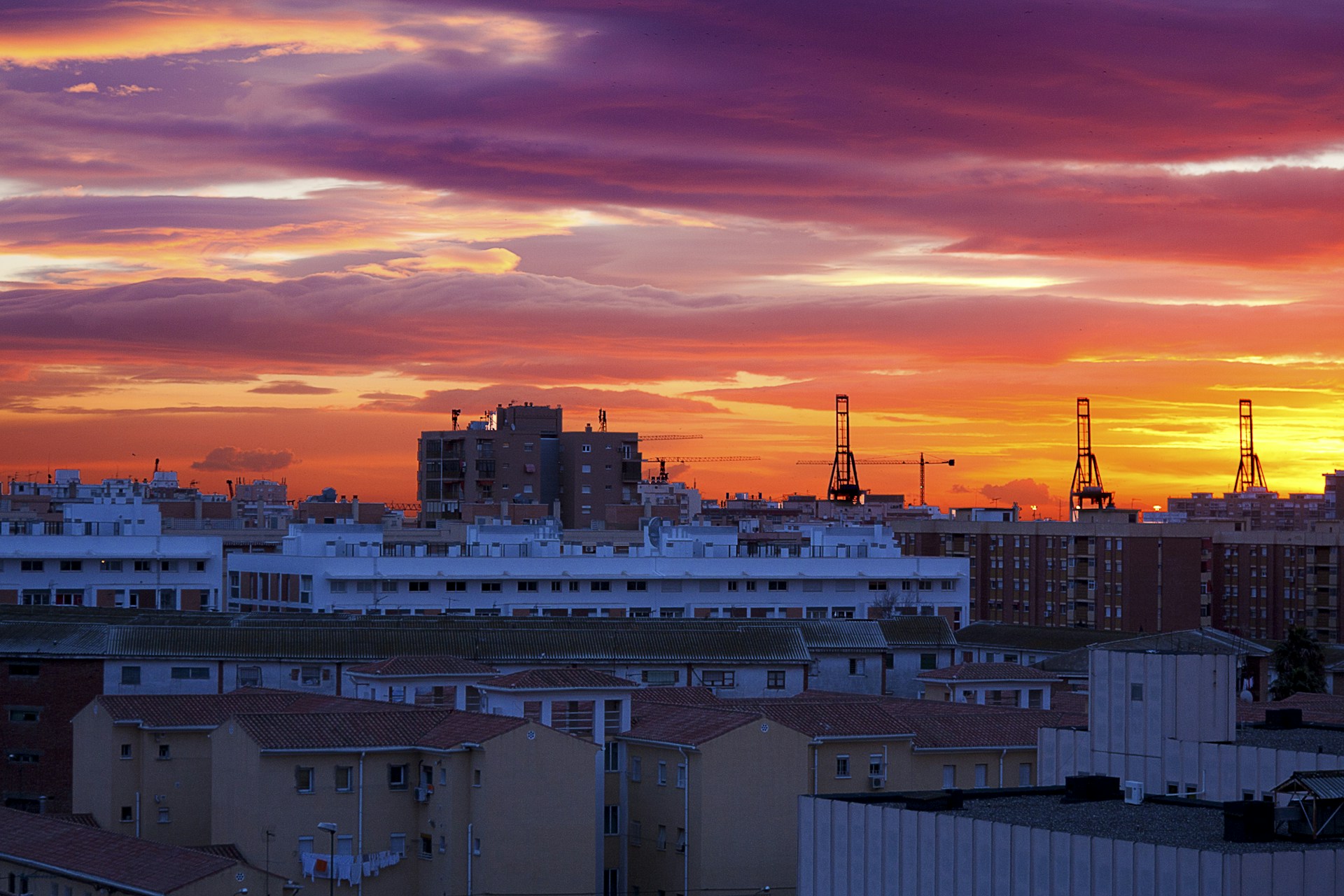
Most travellers fly into Málaga Airport and immediately bus to Marbella or Torremolinos. This is a mistake. Málaga city itself — birthplace of Picasso, home to more museums per square kilometre than almost anywhere in Spain, with the best fried fish in Andalusia and a tapas culture that still gives a free tapa with every drink — is one of Spain's most enjoyable cities. The beach can wait.
Málaga has transformed since 2010. The port has been redesigned, the historic centre pedestrianised, and new galleries have opened alongside the Picasso Museum and a Pompidou Centre annex. It's become a genuine city-break destination, not just an airport gateway — and by coastal Andalusia standards, it's still affordable.
Where to Stay
City centre vs. the resort coast
Málaga city centre (historic centre / Soho district) is the right base. Walking distance to everything — Alcazaba, Picasso Museum, the port, the best tapas bars. Hostels run €18–28/night, guesthouses from €45, mid-range hotels from €70. The Soho arts district (south of centre) has cheaper accommodation and good independent restaurants.
Costa del Sol resorts (Torremolinos, Benalmádena, Fuengirola) make sense only if you came purely for beach infrastructure. Everything is bigger and louder. Budget hotels from €50, all-inclusives from €80. These are not interesting places.
Marbella / Puerto Banús is expensive and saturated with package-holiday tourists. Avoid unless you specifically want the luxury beach scene. Budget hotels from €90 and that barely buys you something mediocre.
Best value: A central Málaga apartment via Airbnb runs €55–80/night and places you within walking distance of all the city's sights. Book the city, not the coast.
Daily Costs 2026
What Málaga actually costs per day
| Item | Cost (2026) |
|---|---|
| Hostel dorm (city centre) | €18–28 |
| Budget guesthouse / Airbnb | €45–75 |
| Mid-range hotel (central) | €70–110 |
| Lunch menú del día (3 courses + drink) | €10–13 |
| Tapas bar round (drink + free tapa) | €1.80–3.50 per drink |
| Dinner (sit-down restaurant) | €18–28 |
| Picasso Museum permanent collection | €12 (free Sunday 18:00–21:00) |
| Alcazaba fortress | €3.50 |
| Pompidou Centre Málaga | €9 |
| Budget daily total (hostel, tapas, one museum) | €50–65 |
Things to Do in Málaga
Museums, fortresses, and what to skip
Picasso Museum Málaga (€12, free Sunday 18:00–21:00). 233 works spanning every phase of Picasso's career, inside the 16th-century Palacio de Buenavista. Not the largest Picasso collection — that's in Paris — but the palace setting is exceptional. Book online to skip queues. The free Sunday evening sessions draw big crowds; arrive 30 minutes before they open.
Alcazaba (€3.50, or €5.50 combined with Castillo Gibralfaro). An 11th-century Moorish fortress built partly from Roman materials, with dramatic views over the port. Far less crowded than the Alhambra and a fraction of the price. Allow 90 minutes. The combined ticket with Gibralfaro above is worth it.
Castillo de Gibralfaro (€2.20 or combined). The hilltop castle above the Alcazaba. The walls walk gives the best panoramic views in Málaga — Mediterranean to the south, mountains to the north, the city below. Either walk up the steep path (20 minutes) or take bus 35 from Alameda Principal.
Pompidou Centre Málaga (€9). The only Pompidou outside France, installed in a glass cube on the revamped port. Rotating exhibitions from the main Paris collection make this genuinely worthwhile for modern art fans.
Carmen Thyssen Museum (€10, free Monday mornings). The finest collection of 19th-century Andalusian painting in existence — bullfighting, flamenco, coastal landscapes, and Romantic-era rural life rendered with extraordinary skill. Often missed by tourists doing the Picasso-Alcazaba loop.
Birthplace of Picasso, Plaza de la Merced 15 (free exterior). The building where Picasso was born in 1881. Small ground-floor exhibition costs €3; the plaza itself is a pleasant place for morning coffee and entirely free.
Food Scene
Tapas with every drink, fried fish, and barrel wine
Málaga is one of the few Andalusian cities where the tradition of free tapas with every drink survives in neighbourhood bars. Order a glass of local wine or a beer (€1.80–2.50) and a small plate arrives automatically — olives, chips, a wedge of tortilla, or a small portion of something hot. Graze three or four bars for €12–15 and call it dinner. This is how locals eat on weekday evenings.
Pescaíto frito — battered and fried small fish — is the defining Málaga dish. The proper version involves boquerones (fresh anchovies), gambas (prawns), chocos (cuttlefish), and puntillitas (baby squid), all freshly fried in olive oil and served with a wedge of lemon. For the best version, head to the beach suburb of Pedregalejo (20 minutes east by Cercanías train) and eat at one of the chiringuitos (seafront restaurants) that line the shore.
Málaga wine is sweet and amber-coloured, made from Moscatel and Pedro Ximénez grapes. Try it at Antigua Casa de Guardia on Alameda Principal — a wine bar operating since 1840 that serves directly from barrels chalked with the vintage. A glass costs €1.50–2.50 and nothing in the building has changed in a century.
For value lunches, the streets behind the cathedral — Calle Strachan, Calle Comedias — have good menú del día restaurants frequented by locals (€10–13 for three courses, bread, and a drink). Avoid the immediate waterfront where the same meal costs double.
Day Trips from Málaga
Ronda, Nerja, Granada, and the white villages
Ronda (1 hour by bus or train, €5–10 single). The mountain town built on a gorge is the most dramatic day trip from Málaga. The Puente Nuevo bridge spanning a 100-metre cliff is one of the most photographed sites in Andalusia. Arrive by 9am before tour coaches. Full details in the Ronda guide.
Nerja (1 hour by bus, €4). A small resort 50km east with the famous Balcón de Europa viewpoint and the Nerja Caves (€14) — a vast prehistoric stalactite system with genuine scale and atmosphere. Better preserved than most Costa del Sol towns.
Frigiliana. A Moorish whitewashed village clinging to a hillside above Nerja, one of the most beautiful in Andalusia. Combine with Nerja for a full day; free to explore.
Granada (1.5 hours by bus, €12 return). The Alhambra is 90 minutes from Málaga — doable as a day trip if you book tickets weeks ahead (they sell out). Full details in the Granada guide.
Practical Tips
Getting there, getting around, when to visit
Getting to Málaga: Málaga Airport (AGP) has cheap direct flights from most European cities — Ryanair, easyJet, Vueling, British Airways, Iberia. The Cercanías C1 Airport Express runs every 20 minutes to Málaga Centro–Alameda in 12 minutes for €1.80. Don't take a taxi (€20–25) unless you have heavy luggage.
Getting around: The historic centre is walkable. All major museums are within 15 minutes on foot. For Pedregalejo and beach suburbs, take the Cercanías train east. For Castillo de Gibralfaro, either walk up (steep, 20 minutes from the Alcazaba) or take bus 35 from the Alameda.
Best time to visit: March–May and October–November are ideal — warm (20–25°C), lower prices, and manageable crowds. July–August is very hot (35–38°C) but buzzing with Spanish families on holiday. Winter (December–February) is mild at 14–18°C and the city is very quiet and cheap. Avoid Easter week for accommodation availability unless you've booked months ahead — the Semana Santa processions are extraordinary but accommodation fills completely.
Free museum times: Picasso Museum free from 18:00–21:00 Sunday; Carmen Thyssen Museum free Monday mornings (limited hours, check website); Alcazaba free Sunday before 14:00. Structure a budget visit around these windows and save €20+.
Disclosure: Tour links are affiliate links. We earn a small commission at no extra cost to you.
Disclosure: These are affiliate links. We earn a small commission at no extra cost to you.
FAQ
Common questions about Málaga 2026
Is Málaga worth visiting beyond the beach?
Absolutely. Málaga city has the Picasso Museum, Alcazaba fortress, Pompidou Centre, Carmen Thyssen Museum, and an Archaeological Museum all within walking distance of each other. The free tapas culture and fresh fried seafood make it one of Spain's best-value cities for eating. Base yourself in the city, not on the resort coast.
How much does Málaga cost per day in 2026?
Budget travellers in hostels spending evenings at tapas bars: €50–65/day. Mid-range (good hotel, restaurant meals, two museums): €80–100/day. The tapas-with-every-drink culture means dinner at 3–4 neighbourhood bars costs around €12–15 total, which is exceptional value.
Is the Picasso Museum Málaga worth visiting?
Yes. €12 for 233 works spanning every phase of Picasso's career, set in a beautiful 16th-century palace. Free Sunday evenings 18:00–21:00 — arrive 30 minutes early. Book online to avoid queues at any time.
What food is Málaga famous for?
Pescaíto frito (battered fried small fish), boquerones (fresh anchovies marinated in vinegar or fried), espetos de sardinas (sardines grilled on skewers over beach fires), sweet Málaga wine served from wooden barrels, and the general tapas-with-every-drink culture that has largely disappeared elsewhere in Andalusia.