Madrid doesn't scream for attention like Barcelona — it doesn't need to. Europe's highest capital city (667m above sea level) keeps its treasures in plain sight: three of the world's finest art museums within walking distance, a Royal Palace that rivals Versailles, and a nightlife that doesn't start until midnight. In July 2026, the city bakes under 35-40°C afternoon sun, but the dry heat is manageable, and the long evenings (sunset after 9:30pm) are magical.
The reality: Madrid is significantly cheaper than Barcelona for accommodation — hotels average €55-100/night vs Barcelona's €110-130. Food, transport, and museums are similarly priced, but you'll save €30-50/night on lodging alone. Budget travelers can thrive on €55-75/day, mid-range on €100-150/day, and luxury at €200-350/day.
Why July 2026: Yes, it's hot. But Madrid's museums are air-conditioned sanctuaries, the terrazas (rooftop bars) come alive at sunset, and the city empties slightly as locals head to the coast. Book hotels with pools or near Retiro Park for relief from the afternoon heat.
Madrid vs Barcelona: Madrid wins on affordability (cheaper hotels), art museums (Prado, Reina Sofía, Thyssen), and authentic Spanish culture. Barcelona wins on beaches and Gaudí architecture. For a first Spain trip, Barcelona edges it. For return visitors or culture lovers, Madrid delivers more value.
Where to Stay
Neighborhoods and 2026 pricing
Sol & Centro: The heart of Madrid — Puerta del Sol, Plaza Mayor, and the pedestrianized shopping streets. Hotels here are abundant and surprisingly affordable (€55-90/night) because it's the business district with weekend discounts. You're steps from the metro, walking distance to museums, and surrounded by tapas bars. Best for first-timers and anyone prioritizing convenience.
Malasaña: The hipster capital of Madrid. Vintage shops, craft cocktail bars, street art, and a young creative crowd. This is where Madrileños actually go out. Hotels are boutique and cool (€70-110/night) — think design hostels, art hotels, and converted mansions. Best for nightlife seekers. Metro: Tribunal, Bilbao.
Chueca: Madrid's LGBTQ+ district and one of the most accepting neighborhoods in Europe. Packed with restaurants, bars, and 24-hour energy. Hotels here are stylish and gay-friendly (€75-120/night). Best for nightlife, food, and inclusive atmosphere.
Salamanca (Barrio de Salamanca): The upscale district — Madrid's "Upper East Side." Designer boutiques on Calle Serrano, excellent restaurants, and the city's best hotels. This is where you'll find 4-5 star properties at €150-250/night. Best for luxury travelers.
La Latina: The medieval quarter south of Plaza Mayor. Famous for the Sunday El Rastro flea market and traditional tapas on Cava Baja and Cava Alta. Boutique hotels in converted old buildings (€65-100/night). Best for tapas lovers and Sunday market goers.
2026 Accommodation Costs (July)
Budget
€20-40
Hostel dorm bed/night
Generator, TOC Hostel
Mid-Range
€70-120
3-star hotel/night
Sol & Malasaña
Luxury
€150-300+
5-star hotel/night
Salamanca district
Source: Serper 2026 data. Average hotel: €55-100/night. Cheaper than Barcelona by €30-50/night.
Daily Costs
Realistic daily budgets for July 2026
Budget Traveler (€55-75/day): Hostel dorm (€20-35/night), menú del día for lunch (€10-14), supermarket breakfast/dinner (€8-10), metro 10-trip ticket (€1.50/journey), free museums (Prado free 6-8pm daily, Reina Sofía free 7-9pm, all museums free certain days). Total: €385-525/week.
Mid-Range Comfort (€100-140/day): 3-star hotel in Sol or Malasaña (€70-100/night), sit-down lunch at local restaurants (€15-20), tapas dinner with wine (€25-35), two paid attractions (Royal Palace €12, Prado €15), occasional taxi. Total: €700-980/week.
Luxury Experience (€200-350/day): 4-5 star hotel in Salamanca (€150-250/night), Michelin-recommended dining (€50-90/meal), private tours, rooftop cocktails at Círculo de Bellas Artes, all attractions with skip-the-line. Total: €1,400-2,450/week.
Cost Breakdown by Category
| Category | Budget | Mid-Range | Luxury |
|---|---|---|---|
| Accommodation/night | €20-35 | €70-100 | €150-250+ |
| Food/day | €18-25 | €40-55 | €80-150 |
| Transport/day | €3-5 | €5-10 | €15-30 |
| Attractions/day | €0-15 | €20-35 | €40-60 |
| Total/Day | €55-75 | €100-140 | €200-350+ |
Money-Saving Tips: (1) Free museum hours — Prado free 6-8pm daily, Reina Sofía free 7-9pm, all state museums free on first Sunday monthly. (2) Menú del día at lunch — €10-15 for 3 courses at most restaurants. (3) Metro 10-trip ticket (€15) beats single tickets (€1.70 each). (4) Skip tourist restaurants near Plaza Mayor — walk 3 blocks to La Latina for half the price and better food.
Top Things to Do
Essential Madrid experiences
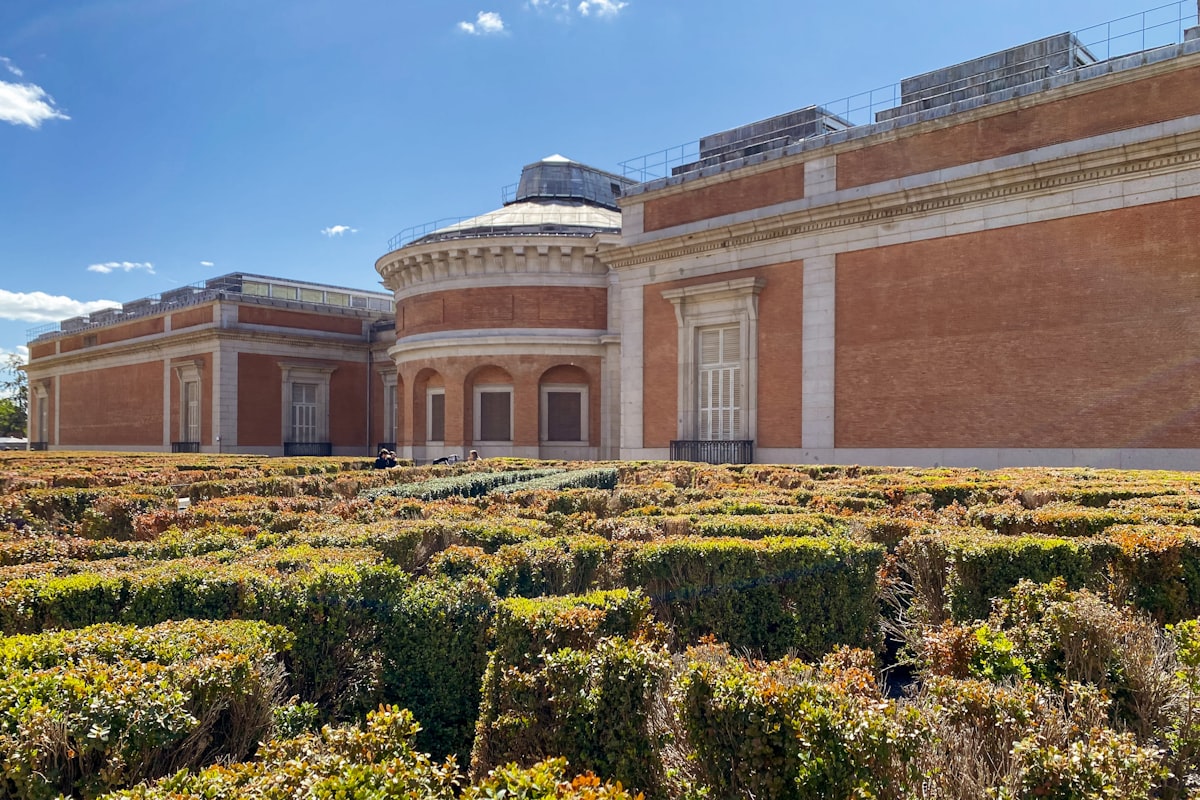
Prado Museum (€15, free 6-8pm daily): One of the world's greatest art museums — Velázquez's Las Meninas, Goya's Black Paintings, Bosch's Garden of Earthly Delights. The collection is overwhelming; focus on the Spanish masters (Velázquez, Goya, El Greco) and the Flemish Primitives. Audio guide €4. Allow 3 hours minimum. Book online for timed entry or go during free hours (expect crowds).
Reina Sofía Museum (€12, free 7-9pm Mon-Wed, Sat): Modern art in a former hospital — Picasso's Guernica (the centerpiece), Miró, Dalí, and excellent temporary exhibitions. The building itself is worth seeing (glass elevators, courtyards, rooftop terrace). Allow 2.5 hours. The free evening hours are crowded but manageable.
Royal Palace (€12): Europe's largest palace by floor area — 3,418 rooms, though only 50 are open to the public. The state rooms are opulent (Goya, Velázquez, Tiepolo ceilings), but the experience is somewhat sterile. The changing of the guard (Wednesdays and Saturdays, 11am) is ceremonial and free to watch from outside. Combine with the adjacent Almudena Cathedral (free, donations welcome).
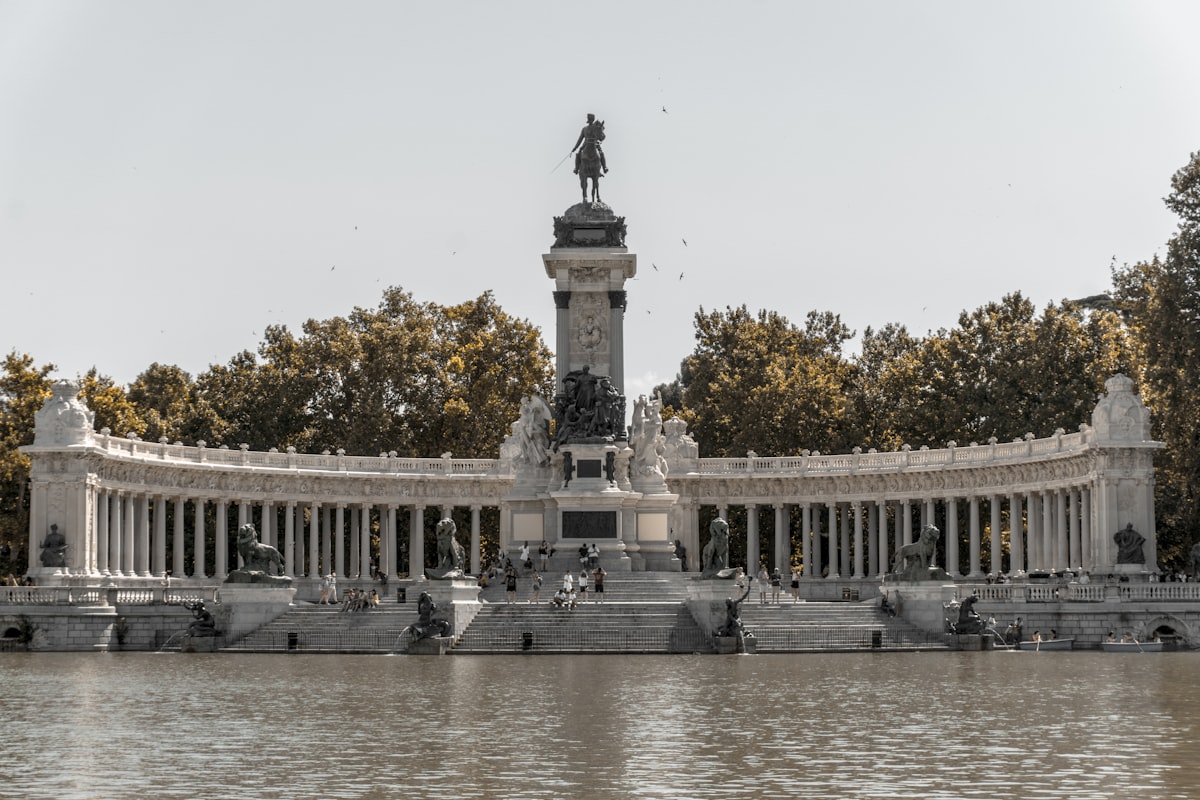
Retiro Park: Madrid's green lung — 350 acres of gardens, lake, statues, and the Crystal Palace. Rent a rowboat on the lake (€6/45min), visit the Rosaleda (rose garden), see the Fallen Angel statue (the only public statue of Lucifer in the world). Free entry. Essential for July afternoons when the heat drives you indoors or to shade.
Plaza Mayor & Puerta del Sol: The ceremonial heart of Madrid. Plaza Mayor (1619) is a perfect square of red buildings with frescoed facades — tourist restaurants on the ground floor, but the architecture is stunning. Puerta del Sol is the geographic center of Spain (Km 0) and the site of the New Year's Eve grape-eating tradition. Walk through, don't eat here.
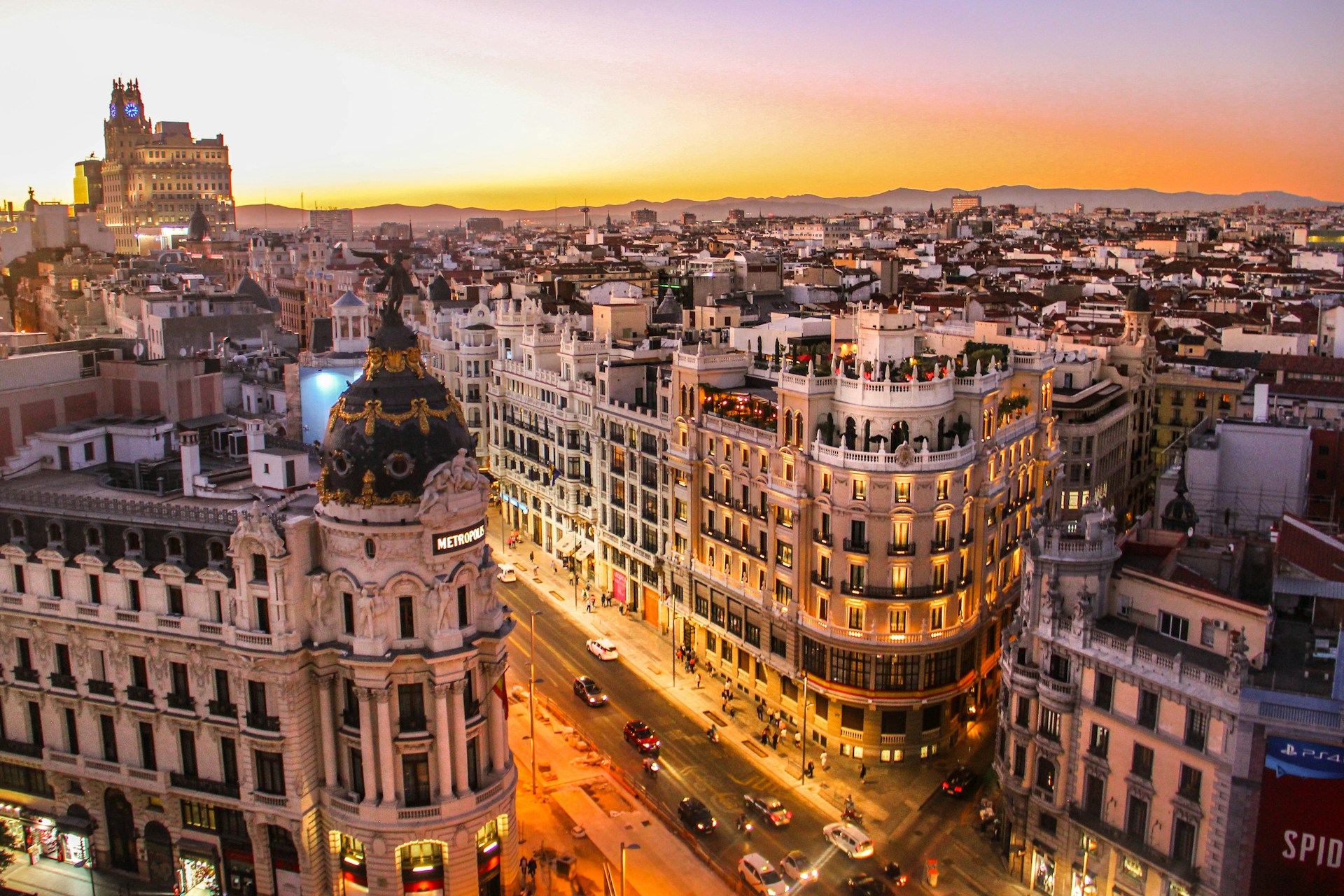
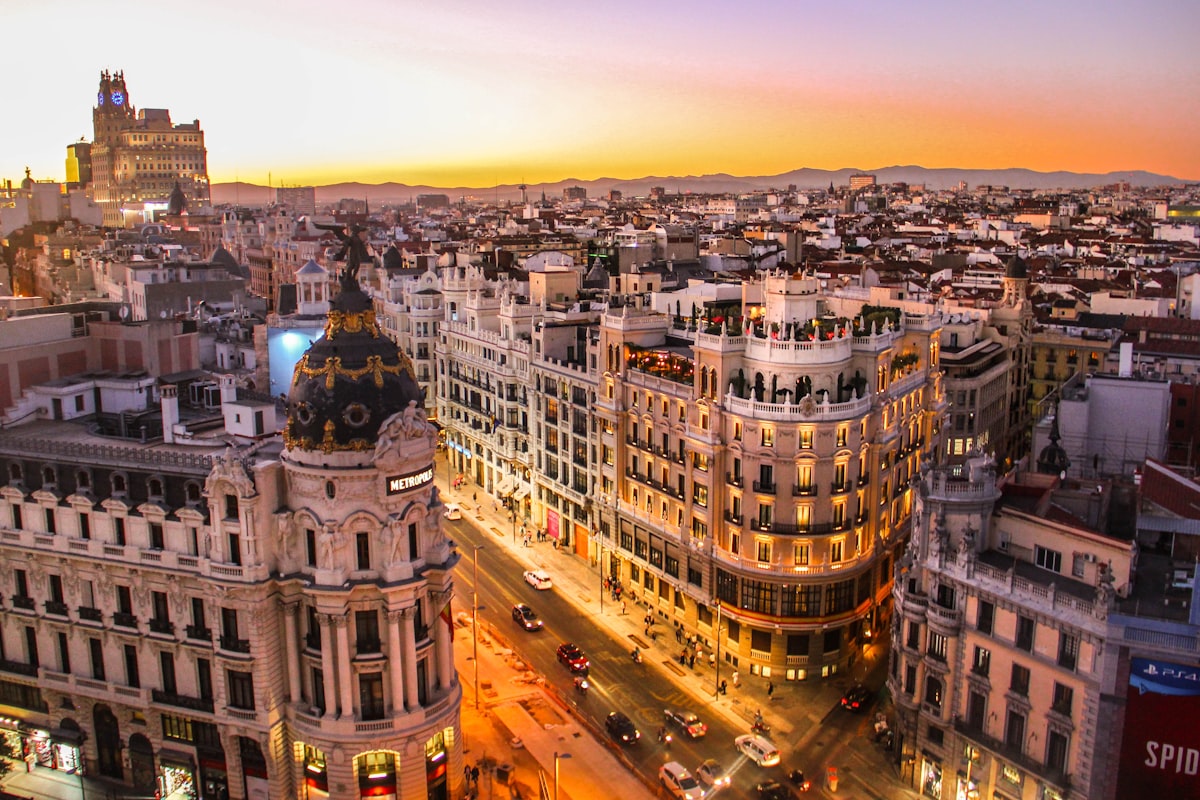
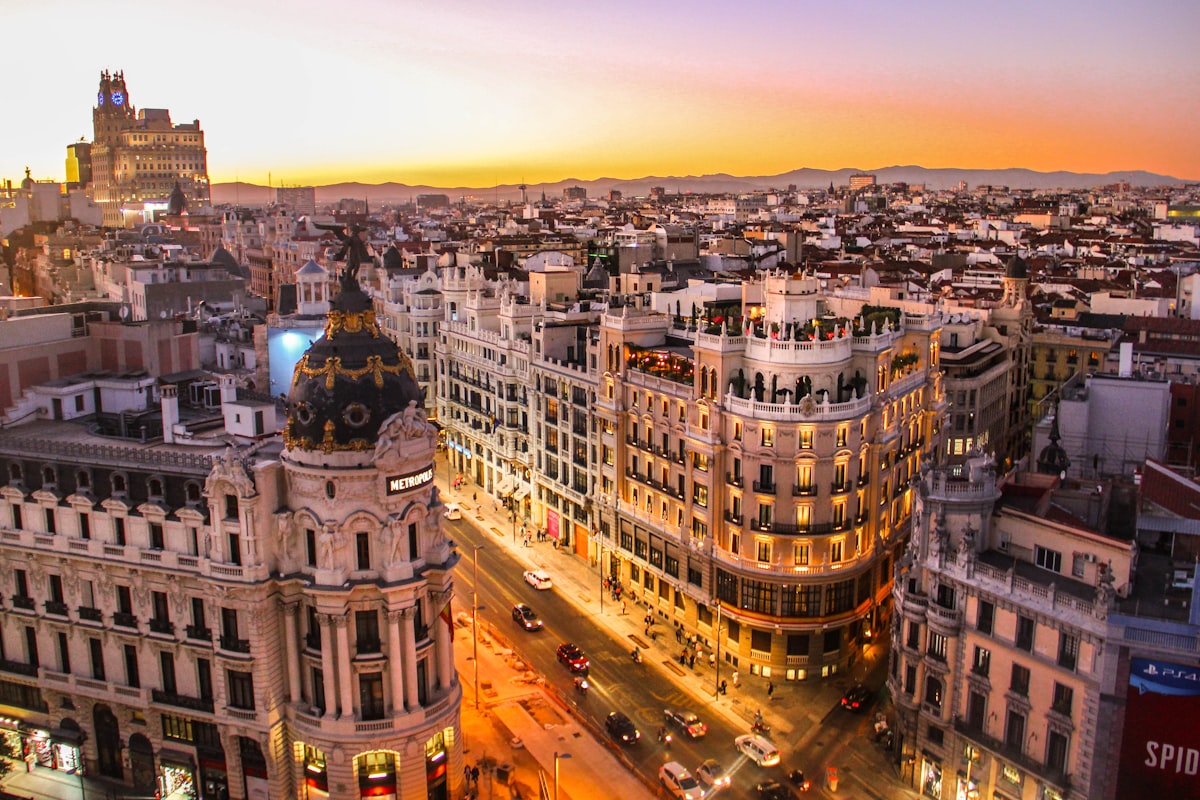
Gran Vía: Madrid's Broadway — early 20th-century architecture, theaters, cinemas, flagship stores. The buildings are the draw — the Telefónica building (Spain's first skyscraper, 1929), the Capitol building with its neon Schweppes sign. Walk it at sunset when the facades glow. The rooftop bars (Círculo de Bellas Artes, €5 entry) have the best city views.
Attraction Ticket Prices 2026
Paseo del Arte saves ~20% if visiting all three. Valid for one year. Free museum days: first Sunday monthly (state museums).
Food & Tapas
Where and what to eat in Madrid
The Menú del Día: The Spanish lunch special — starter + main + dessert + bread + wine/water for €10-15. Available at almost every restaurant on weekdays. It's the same kitchen cooking for dinner at half the price. Look for blackboards outside or ask "¿tienen menú del día?" Best value in Madrid dining.
Tapas Reality: Madrid invented the tapeo — the art of bar-hopping while eating small plates. Unlike Barcelona, tapas here are often free with drinks (olives, chips, sometimes croquetas). The classic circuit: La Latina (Cava Baja, Cava Alta), Malasaña (Calle de Fuencarral area), or around Plaza Mayor. Order standing at the bar, pay as you go, move to the next place.
Jamón Ibérico: The cured ham you'll see hanging in every bar. €15-30/kg retail, €3-5/slice in bars. The good stuff is pata negra (black hoof) from acorn-fed pigs. Try it at Museo del Jamón (touristy but educational) or any neighborhood bar. It's Spain's national treasure for a reason.
Churros con Chocolate: Madrid's essential breakfast or late-night snack. Fresh-fried doughnuts dipped in thick hot chocolate. San Ginés (near Plaza Mayor, open 24 hours) is the most famous, but locals prefer Chocolatería Valor or neighborhood churrerías. €4-5 for churros + chocolate.
Cocido Madrileño: The city's signature dish — a three-course chickpea stew with meat, cabbage, and noodles. Heavy, winter food (avoid in July), but essential to understand Madrid. Served at traditional restaurants like Malacatín or La Bola. €20-30 for the full experience.
Where to Eat: (1) La Latina for traditional tapas and Sunday El Rastro market. (2) Malasaña for hipster spots and international food. (3) Mercado de San Miguel for atmosphere (overpriced but beautiful). (4) Avoid anything directly on Plaza Mayor or Puerta del Sol — walk 2-3 blocks and pay half.
Getting Around
Metro, bus, and walking
Metro: The world's 7th longest metro system — clean, reliable, goes everywhere tourists need. Single ticket: €1.70. 10-trip ticket (Metrobús): €15 (€1.50/trip), valid on metro and buses. Buy at station machines (English available) or counters. The metro runs 6am-1:30am daily. Night buses (Búhos) cover main routes after midnight.
Walking: Madrid is surprisingly compact — from Puerta del Sol to the Prado is 15 minutes; to the Royal Palace, 10 minutes; to Retiro Park, 20 minutes. The center is walkable and pedestrian-friendly. Walking reveals the city's secrets — hidden plazas, historic shops, street life.
Buses: Extensive network, less tourist-friendly than metro but useful for specific routes. Same tickets as metro. The EMT app shows real-time arrivals.
Taxis/Uber: Abundant and reasonably priced. Base fare €3.50-4, €1.15-1.35/km. A cross-town ride costs €10-15. Use apps like Free Now or Uber for convenience. Taxis are white with red diagonal stripes — don't accept rides from unofficial cars.
Transport Costs 2026
Metrobús is best for stays 3+ days. Airport metro available but requires supplement.
Day Trips
Escaping Madrid for a day
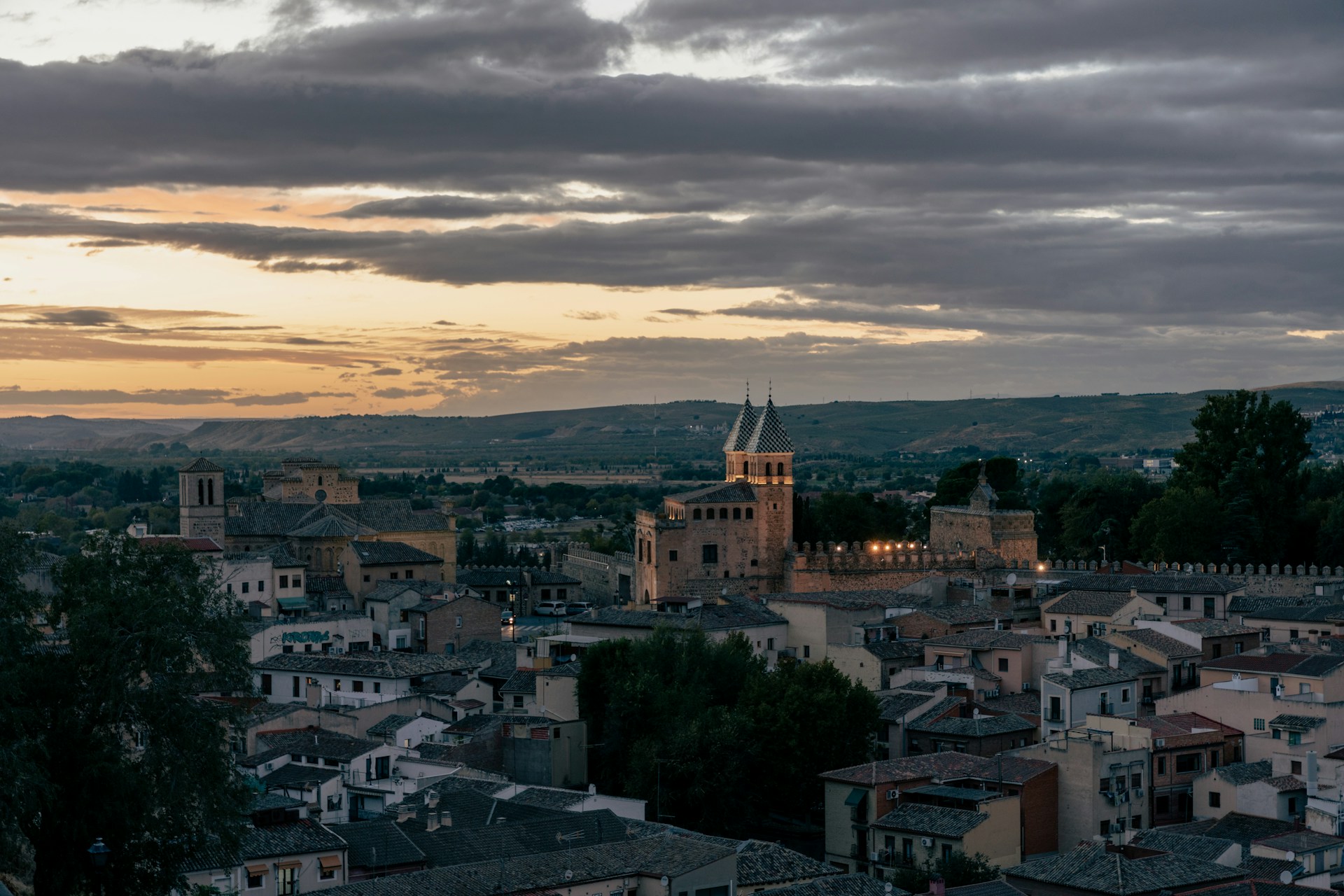
Toledo (€12-22 round trip, 30-33 minutes by train): The medieval hill city — Spain's former capital, known as the "City of Three Cultures" (Christian, Jewish, Muslim). The cathedral is one of Spain's best, El Greco's paintings are everywhere, and the old town is a maze of medieval streets. Train from Atocha station. Full day needed.
Segovia (€14-26 round trip, 27 minutes by high-speed train): The Roman aqueduct — 2,000 years old, 28 meters high, built without mortar. Also the fairy-tale Alcázar castle (Disney's Cinderella castle inspiration) and excellent roast suckling pig (cochinillo). Combine with the mountain town of La Granja (royal palace, gardens) if time permits.
El Escorial (€8 round trip, 1 hour by train): The massive palace-monastery built by Philip II — austere, imposing, historically significant. The Royal Pantheon holds the tombs of Spanish monarchs since Charles V. The library is one of the world's most beautiful. For history lovers; skip if you're museum-fatigued.
Aranjuez (€8 round trip, 45 minutes by train): The royal summer palace and gardens — less visited than El Escorial but equally impressive. The palace is 18th-century French style; the gardens are vast and beautiful. Strawberry train (May-June) — vintage train with strawberry tastings. Pleasant half-day escape from Madrid heat.
Disclosure: Tour links are affiliate links. We earn a small commission at no extra cost to you.
Disclosure: These are affiliate links. We earn a small commission at no extra cost to you.
FAQ
Quick answers to common questions
Is Madrid safe?
Very safe, even at night. Pickpocketing exists in tourist areas (metro, Plaza Mayor, museums) but violent crime is rare. Use normal precautions — keep bags closed, phones in front pockets, don't leave valuables unattended at outdoor cafes.
Do I need to speak Spanish?
English works in tourist areas, museums, and hotels. Basic Spanish helps in local bars and shops. Learn "una cerveza, por favor" and "la cuenta" (the bill) — the essentials.
How hot is July in Madrid?
Hot — 35-40°C (95-104°F) most afternoons. The dry heat is more bearable than humid heat, but you'll need air conditioning. Plan outdoor activities for morning or evening. Museums and malls are air-conditioned sanctuaries.
Is the Madrid Card worth it?
Generally no. The tourist passes bundle attractions you'll never visit. Prado + Reina Sofía + Royal Palace = €39 individually, €47+ on the card. Plus many museums have free hours. Skip it and pay as you go.
How much should I tip?
Tipping isn't expected in Spain. Round up to the nearest euro at bars, leave 5% at restaurants for good service, €1 for hotel cleaning. Locals often don't tip at all — don't feel pressured.
The Toolkit We Actually Use
Saily — eSIM for Europe
Reliable, affordable internet across 35 European countries. Instant activation.
ConnectivityEKTA — Travel Insurance
Medical & health coverage with 24/7 assistance. Comprehensive travel protection.
EssentialWise — Multi-Currency Card
Real exchange rates, no hidden fees. The most international debit card.
EssentialWise — Money Transfer (US)
Send money internationally with low fees. Great rates for larger transfers.
BankingDisclosure: These are affiliate links. We earn a small commission at no extra cost to you.
Frequently Asked Questions
Madrid · Common questions answered
How much does 4 days in Madrid cost?
A budget 4-day Madrid trip costs €220-300 total (€55-75/day) staying in hostels, eating the menú del día, and using free museum hours. Mid-range comfort runs €400-560 (€100-140/day) with a 3-star hotel and sit-down meals. Luxury travelers spend €800-1,400 for 4 days.
Is the Prado Museum worth visiting?
Absolutely — the Prado is one of the world's great art museums, home to Velázquez's Las Meninas, Goya's Black Paintings, and an outstanding collection of Spanish masters. Allow 2-3 hours minimum. Visit during free hours (6-8pm daily) to save €15 and avoid the biggest crowds.
What's the best area to stay in Madrid?
Sol & Centro for first-timers wanting walkability to all major sights. Malasaña for nightlife and a hip local vibe. La Latina for tapas culture and the Sunday El Rastro market. All are well-connected by metro and priced €55-120/night for a good 3-star hotel.
How late do people eat dinner in Madrid?
Very late. Most madrileños don't sit down for dinner until 9-10pm, and restaurants often don't fill up until 10:30pm. Eating at 7-8pm marks you as a tourist, though restaurants will serve you. Embrace the rhythm: a late lunch (2-4pm) replaces the need for an early dinner.