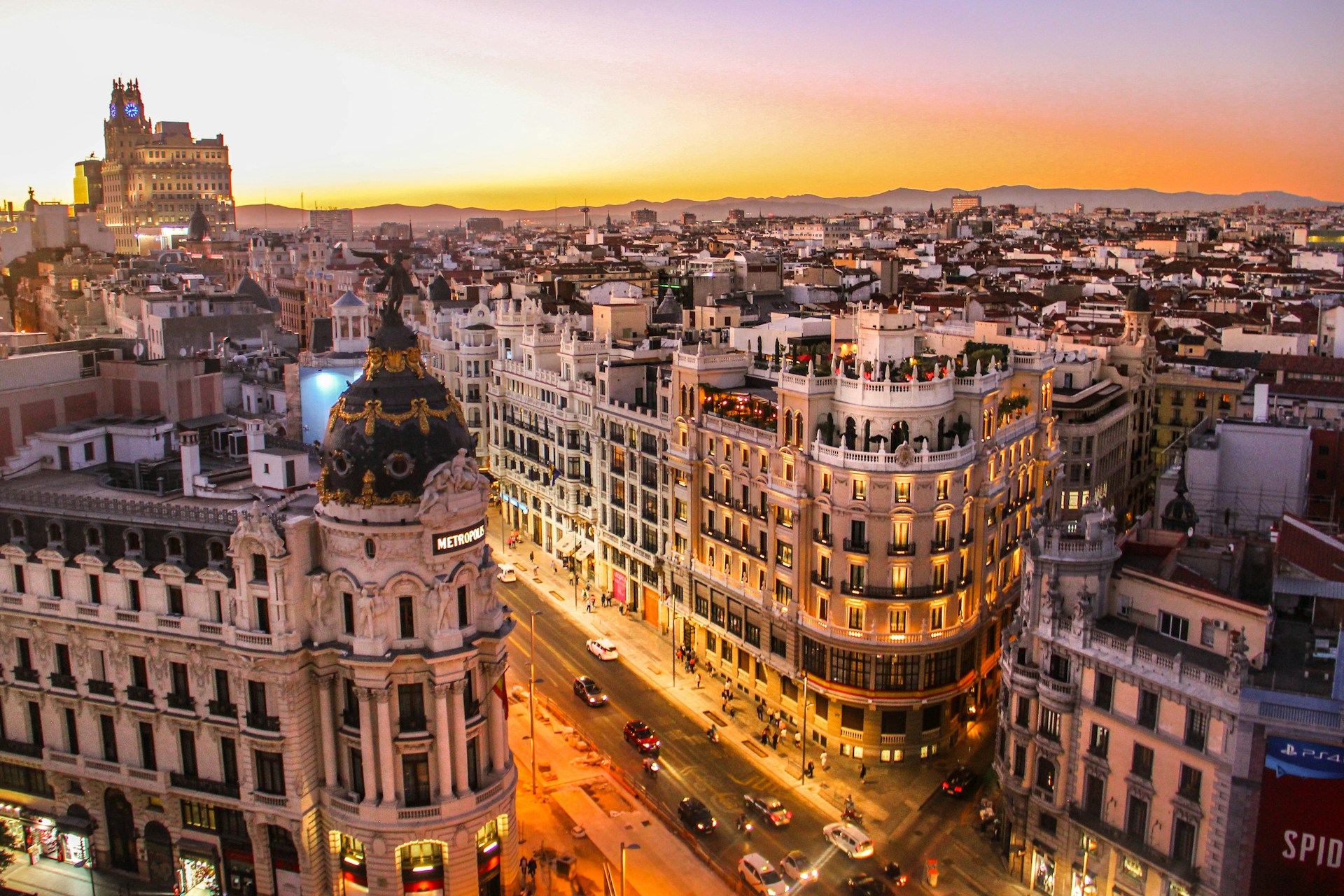
Real 2026 Prices: What Madrid Actually Costs
Madrid is more affordable than most European capitals. The key is understanding that "free" is a core part of Madrid culture—free museum hours, free tapas with drinks, free parks that rival any city's paid attractions.
Daily Budget Breakdown (2026)
- Accommodation: €22-28 (hostel bed) / €45-65 (budget hotel double)
- Food: €15-20 (supermarket breakfast + menú del día + tapas)
- Transport: €1.50-3 (Metrobús 10-ride pass averages €0.61/ride)
- Museums/Attractions: €0-15 (many free hours, Royal Palace €12)
- Misc: €5-10 (coffee, evening drinks, unexpected tapas)
- Total Daily Budget: €40-50/day (€45 is comfortable; €40 requires planning)
Where to Stay: Neighborhoods That Don't Break the Bank
Malasaña: The Creative Budget Hub
This is where Madrid's young creatives live, and it's the sweet spot for budget travelers. Hostel beds: €20-26. The streets are packed with vintage shops, coffee bars, and the kind of nightlife that doesn't charge cover. You're 15 minutes walk from Gran Vía, 20 minutes from the Prado.
Recommended: The Hat Madrid (€24-28/bed, includes basic breakfast), Way Hostel (€22-25/bed, excellent common area). Book 2-3 weeks ahead for weekends.
Lavapiés: Multicultural and Affordable
Madrid's most diverse neighborhood offers the cheapest food in the city center. Indian, Senegalese, Bangladeshi, and Spanish tapas coexist on the same streets. Hostel beds: €22-26. The area feels lived-in rather than tourist-polished. 10-minute walk to Reina Sofía, 15 to Atocha station.
La Latina: Tapas Central
If you're coming to Madrid for the food (you should be), stay here. Sunday mornings see the famous Rastro flea market, and evenings bring the city's best tapas crawl on Cava Baja and Cava Alta. Hostels run €24-28/bed. Noisy on weekends until 2 AM—embrace it or bring earplugs.
Where NOT to Stay
- Sol/Gran Vía: Overpriced (€35+ beds), chain restaurants, tourist traps, constant noise
- Chueca (unless it's your scene): Great LGBTQ+ nightlife but €28-35 beds and party noise until 4 AM
- Barrio de Salamanca: Fancy, expensive, boring for budget travelers
Eating in Madrid: The Tapas Advantage
Madrid's tapas culture is your budget superpower. Order a drink (€2.50-3.50), get free food. Do this three times across different bars, and you've had dinner for €9-12.
The Free Tapas Circuit
Not all bars offer free tapas, but many do. Here's a proven route in La Latina:
- El Pez Gordo: €2.50 caña (small beer) + generous tortilla española or croquetas
- El Tizón: €3 vermouth + olives, anchovies, or boquerones
- Taberna La Concha: €3 wine + jamón or cheese plate
- El Bonanno: €3.50 craft beer + gourmet tapa ( sliders, bravas)
Total: €12, three drinks, substantial dinner. This is how Madrileños eat.
Menú del Día: The €12 Power Lunch
Spanish lunch menus remain the best restaurant deal in Europe. €11-14 buys you three courses, bread, wine, and coffee. Quality ranges from cafeteria-grade to genuinely excellent.
Best value in Madrid:
- Casa Carola (Salamanca, surprisingly): €13.50, traditional Castilian, huge portions
- Taberna La Peseta (La Latina): €11, no-frills cooking, local crowd
- El Estragón (Huertas): €12.80, vegetarian-friendly, creative options
Markets vs. Supermarkets
Mercado de San Miguel is beautiful but overpriced (€4-6 per tapa). Mercado de San Antón in Chueca is slightly cheaper. For actual grocery shopping: Dia, Lidl, and Mercadona serve locals at local prices. €4-5 buys breakfast supplies versus €8-10 at any café.
Museums: World-Class Art for Free
Madrid's museum policy is a gift to budget travelers. The three major museums—all world-class—offer substantial free hours every week.
Prado Museum: Free Every Evening
Monday to Saturday: 6-8 PM free. Sunday: 5-7 PM free. Regular price is €15, so timing this right saves you significant money. The collection includes Velázquez's Las Meninas, Goya's Black Paintings, and Bosch's Garden of Earthly Delights.
Strategy: Arrive at 5:45 PM (Mon-Sat) or 4:45 PM (Sun). You'll get 75-90 minutes, which is enough for the highlights. Lines form 15-20 minutes before free hours.
Reina Sofía: Even More Free Time
Free Monday and Wednesday-Saturday 7-9 PM, plus Sunday 1:30-7 PM. Also free all day April 18 (International Day of Monuments) and October 12 (Spanish National Day). Regular price: €12.
This is where Picasso's Guernica lives, plus major works by Dalí and Miró. Sunday afternoons are least crowded—Spanish families haven't arrived yet, tourists are at lunch.
Thyssen-Bornemisza: Free Monday Afternoons
Free Mondays 12-4 PM. Regular price: €13. This museum fills the gaps between the Prado (old masters) and Reina Sofía (modern)—Impressionists, Expressionists, Pop Art. Excellent for art history nerds.
Always-Free Museums
- San Antonio de los Alemanes: Baroque church with stunning frescoed dome
- Museo de San Isidro: Madrid's history, archaeology, and traditions
- Museo de Historia de Madrid: City history from 1561 to present
- El Retiro Park: Not a museum, but the Crystal Palace (free) hosts contemporary art
Getting Around: Metro, Walking, and the Airport
Madrid's metro is excellent and cheap. The city center is compact enough that you can walk most places.
Transport Costs (2026)
- Single metro/bus ride: €1.50
- Metrobús (10 rides): €6.10—best value for most visitors
- 24-hour pass: €8—only worth it for 5+ rides/day
- Airport to center: Metro €3 (including airport supplement), Airport Express bus €5, taxi €30 flat rate
- Walking: €0, and often faster than metro for short distances
Walking strategy: Malasaña to Gran Vía is 12 minutes. La Latina to Sol is 8 minutes. Huertas to Prado is 10 minutes. Only use metro for distances over 1.5km or when tired/hot.
Airport tip: The yellow Airport Express bus (€5) runs every 15 minutes to Atocha and Cibeles. Slower than metro (40 min vs 25 min) but more comfortable with luggage, and you see the city as you enter.
Free Things to Do in Madrid
A day in Madrid costs almost nothing if you're strategic. Here's a full free day:
- Morning: Free walking tour (tip €5-8) or self-guided architecture walk through Gran Vía to Plaza Mayor
- Midday: El Retiro Park—rent-a-rowboat is €6 but wandering is free; Crystal Palace often has free exhibitions
- Lunch: Supermarket picnic in the park (€5) or tapas crawl (€9-12 with free food)
- Afternoon: Free museum (Prado 6-8 PM, Reina Sofía 7-9 PM, or always-free options)
- Evening: Watch sunset from Temple of Debod (Egyptian temple, free, great views) or Circulo de Bellas Artes rooftop (€4, worth it for photos)
- Night: Tapas crawl in La Latina or Huertas (€12-15 for drinks + free food)
Madrid's Free Calendar
Plan around these free events:
- First Sunday: Most museums free all day
- May 18: International Museum Day—everything free
- October 12: National Day—museums free
- Veranos de la Villa (July-Aug): Free concerts, outdoor cinema, events
- Sunday Rastro: Flea market, free to browse (resist buying)
The Verdict: Madrid vs. Barcelona on a Budget
Madrid wins for budget travelers, but not by the margin you'd expect. Here's the breakdown:
- Accommodation: Madrid 15% cheaper (€25 vs €30 beds)
- Food: Roughly equal, but Madrid's free tapas culture gives it an edge
- Museums: Madrid wins decisively—more free hours, better collection spread
- Attractions: Barcelona has Gaudí; Madrid has neighborhoods. Tie.
- Nightlife: Madrid's free tapas + late hours = cheaper nights out
- Transport: Madrid slightly cheaper (€6.10 for 10 rides vs Barcelona's €11.35)
Barcelona has the beach, the architecture, the immediate "wow" factor. Madrid has sustainability for budget travelers—you can stay longer, spend less, and not feel like you're missing out.
The choice depends on your priorities. If you want postcard photos and Mediterranean vibes, pay the Barcelona premium. If you want world-class art, authentic Spanish culture, and a city that doesn't drain your wallet, Madrid is the better value.
Either way, both beat Paris, London, or Amsterdam on price. Spain remains Western Europe's best budget destination in 2026.