
Albania has quickly transitioned from a backpacker secret to a premier Mediterranean destination. Yet, despite the influx of modern boutique hotels and beach clubs, the prices remain drastically lower than its neighbors across the Ionian Sea.
1. The Albanian Riviera: Europe's Last Secret Coastline
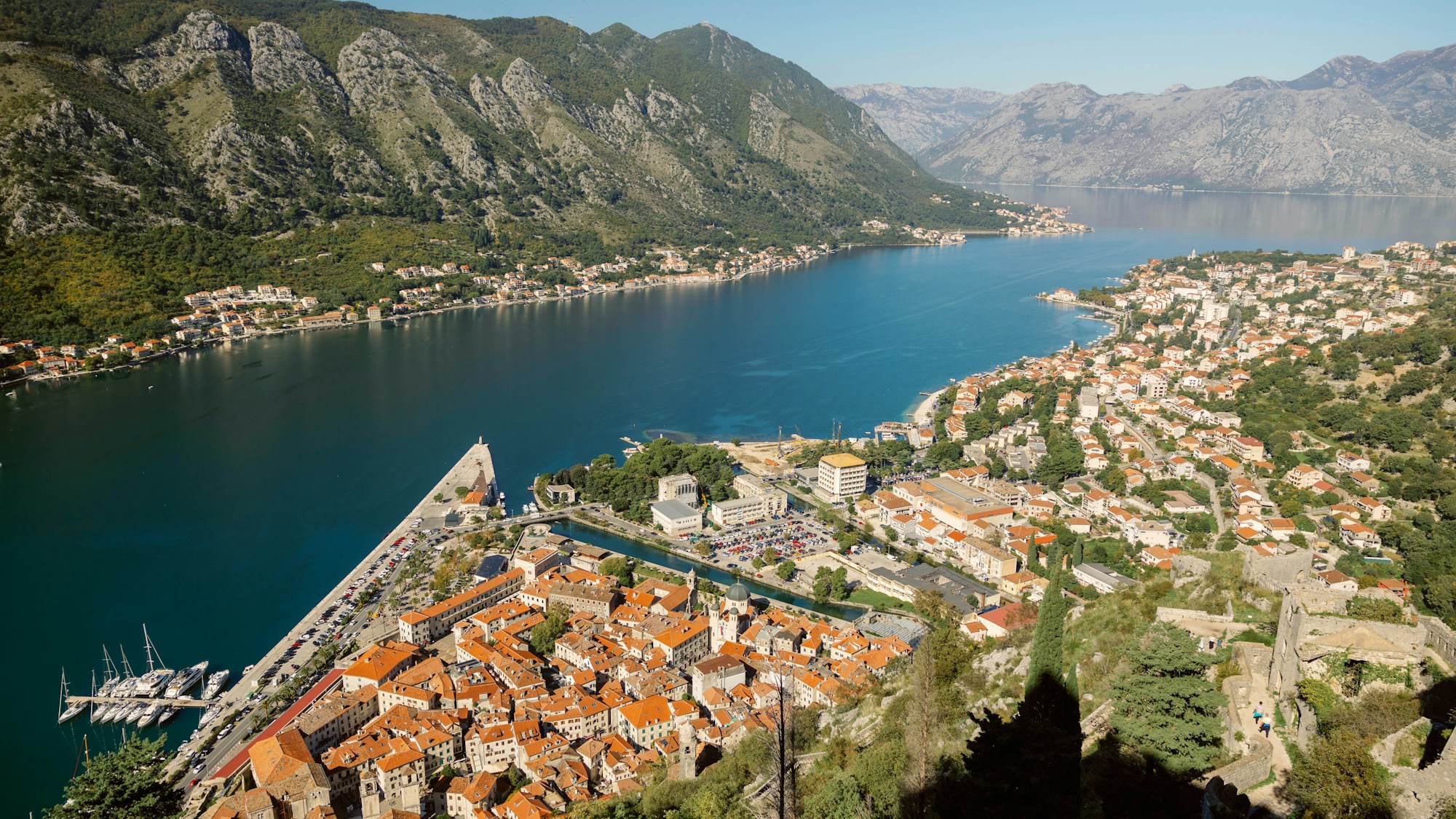
The Albanian Riviera stretches 120 kilometers along the Ionian Sea, and in 2026, it remains the most dramatically underdeveloped coastline in Europe. While Croatia's Dalmatian Coast suffers from overtourism and Greece's islands command premium prices, Albania offers the same turquoise water, white pebble beaches, and rugged mountain backdrops at a fraction of the cost.
Sarande: The gateway to the Riviera. This bustling coastal town has transformed from a sleepy fishing village to a vibrant resort city, yet prices remain shockingly low. A beachfront apartment with sea views costs €40-60/night in peak season—equivalent to a hostel bed in Mykonos. The promenade (Bulevardi Hasan Tahsini) comes alive at sunset with locals and tourists mixing at cafes where espresso costs €1 and cocktails €4.
Ksamil: Just 15 minutes south of Sarande, Ksamil is the Maldives of the Mediterranean. Three small islands sit in turquoise waters just offshore, connected by sandbars at low tide. The main beach gets crowded in August, but walk 10 minutes in either direction and you'll find empty coves. Sunbeds cost €8-12/day (compared to €25+ in Greece), and fresh seafood at beachfront restaurants runs €12-18 for a full meal.
Himara and Dhermi: For a quieter experience, head north. Himara is a working fishing town with a long beach and a castle ruin overlooking the sea. Dhermi sits dramatically beneath mountains, with a steep walk down to one of Albania's most beautiful beaches. These towns attract fewer tour buses, offering a more authentic Balkan coastal experience.
2. Real Costs: 2026 Budget Breakdown
Daily Budget Reality Check: A comfortable mid-range budget in the Albanian Riviera runs €60-80/day per person. This includes private accommodation, two restaurant meals, beach time with sunbed, and local transport. On a backpacker budget, €35-45/day is achievable with shared apartments, supermarket meals, and public transport.
Comparison to Amalfi Coast: Similar beachfront accommodation in Positano or Amalfi costs €200-400/night. Dinner for two with wine easily hits €80-120. The Albanian Riviera delivers comparable scenery and better beaches at roughly 25% of the cost.
3. The Historic Interior: Beyond the Beach

Albania's interior offers a completely different experience—mountain landscapes, Ottoman architecture, and a history that spans millennia. A 2-3 day trip inland breaks up beach time and provides cultural depth most Riviera visitors miss entirely.
Berat (2 hours from Sarande): Known as the "City of a Thousand Windows," Berat is a UNESCO World Heritage site where Ottoman-era houses climb hillsides beneath a medieval castle. The old town (Mangalem) features white-washed houses with wooden windows stacked above the Osum River. The castle itself is unique—it's still inhabited, with families living in converted stone houses within the walls. Entry is free, though the small ethnographic museum costs €4.
Gjirokaster: Another UNESCO-listed Ottoman town, Gjirokaster has a darker history. The steep cobblestone streets and fortified houses speak to its strategic importance, but the town was also a center of communist resistance. The castle contains a military museum and an eerie abandoned US Air Force plane that landed in 1957 during the Cold War.
Blue Eye (Syri i Kalter): A natural spring 30 minutes from Sarande where water bubbles up from depths exceeding 50 meters. The intense blue color is mesmerizing, and the site is free to visit. It's a popular stop on the drive between the coast and inland towns.
4. Getting Around: Transport Strategy
Rental Car: Essential for exploring freely. The road from Sarande to Himara and Dhermi hugs the coastline with dramatic views, but public transport stops frequently. Car rental costs €30-45/day in summer—significantly cheaper than Greece or Croatia. Roads are generally good, though mountain passes can be narrow and winding.
Buses (Furgons): Albania's bus system is chaotic but functional. Minivans (furgons) run between major towns when full—there's no fixed schedule, they depart when enough passengers board. Sarande to Himara costs €3-4 and takes 45 minutes. To Berat, expect €8-10 and 3 hours with a change in Fier.
Taxis: Bargain hard. There's no meter culture—agree on a price before getting in. Sarande to Ksamil should cost €8-10 max. Many drivers use WhatsApp for bookings; ask your accommodation for reliable numbers.
5. When to Visit: Timing Your Trip
Best: May-June and September-October. Temperatures hover around 25-28°C, the water is warm enough for swimming, and prices drop 30-40% compared to peak season. May is particularly beautiful—wildflowers cover the hillsides, and the beaches are nearly empty.
Avoid: August. The Riviera fills with Albanian families on holiday, plus Italian and Kosovan tourists. Prices spike, beaches get crowded, and finding accommodation becomes challenging without advance booking.
Shoulder Season Reality: April and November are gamble months. You might get perfect beach weather (22-24°C and sunny) or catch a rainy week. Most restaurants and hotels remain open, but some beach bars close. Prices hit their lowest—€25-35 for apartments that cost €60+ in August.
6. What to Eat: Albanian Coastal Cuisine
Albanian food is Mediterranean with Balkan and Ottoman influences. The Riviera specializes in seafood, while inland areas feature heartier meat dishes.
Must-Try Dishes:
• Tave Kosi: Baked lamb with yogurt and rice—the national dish. Order it inland; coastal restaurants focus on seafood.
• Grilled Octopus: Fresh from the sea, simply grilled with olive oil and lemon. €12-16 at beachfront tavernas.
• Fërgesë: Baked peppers, tomatoes, and cottage cheese—essentially Albanian shakshuka. €5-7 as a starter.
• Byrek: Savory filo pastry filled with cheese, spinach, or meat. €1-2 from street vendors, perfect beach snack.
Where to Eat: Avoid the most tourist-facing restaurants on Sarande's main promenade—they're overpriced for average quality. Instead, head to the fish markets in the morning, where restaurants display the day's catch on ice. Point at what you want; they'll grill it simply. €15-20 buys an incredible meal with wine.
7. Safety and Practicalities
Safety: Albania is remarkably safe for tourists. Violent crime is rare, and petty theft in the Riviera is lower than in Barcelona, Rome, or Athens. Standard precautions apply: don't leave valuables unattended on beaches, and use hotel safes for passports.
Currency: Albanian Lek (ALL), though euros are widely accepted in tourist areas. The exchange rate is approximately 100 ALL = €1. ATMs are available in Sarande and larger towns; carry cash for smaller villages.
Language: English is increasingly spoken in tourist areas, especially by younger Albanians. Italian is widely understood due to historical ties and TV exposure. Learning basic phrases in Albanian ("Faleminderit" = thank you) goes a long way—locals appreciate the effort.
Albania's Reputation: The country carries outdated associations with communism and organized crime. Neither reflects modern Albania. The communist regime fell in 1991, and today's Albania is a rapidly developing democracy with a booming tourism sector. Embrace the opportunity to visit before mass tourism transforms it.
The Verdict: Albania in 2026
The Albanian Riviera offers something increasingly rare in Europe: authentic coastal beauty at prices that don't require financial planning. For €60-80/day, you can stay in a sea-view apartment, eat fresh-caught seafood, and alternate between beach time and exploration of 2,000-year-old towns.
This won't last forever. The EU accession process is accelerating infrastructure development, and word is spreading. The time to visit Albania is now—before it becomes the next Croatia, with the prices and crowds to match. In 2026, you can still find empty beaches, honest prices, and genuine hospitality. The question isn't whether to visit, but how quickly you can get here before everyone else does.