The Reality of Santorini in 2026
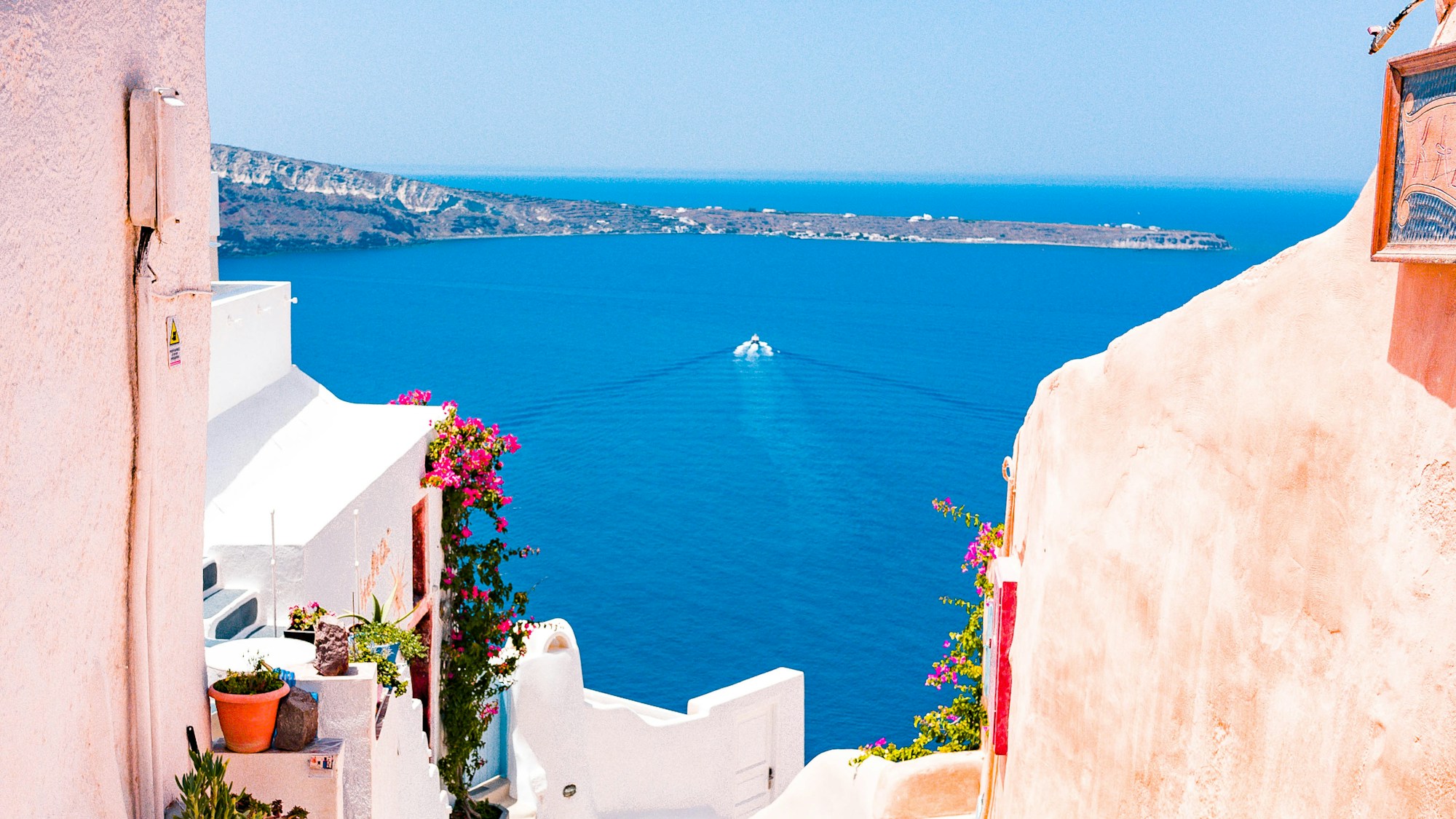
Let's be honest about what Santorini is. It is a volcanic island with genuinely spectacular scenery — the caldera, a submerged prehistoric crater, creates a landscape found nowhere else in Europe. The white-washed villages clinging to the cliff rim above the deep blue bay, the sunset views from Oia, the dramatic black and red beaches — these are all real, and they are extraordinary.
But Santorini is also one of the most visited spots on earth for its size. In July and August, cruise ships dock daily with 8,000-15,000 visitors who have six hours to photograph Oia and leave. The result: the narrow alleyways of Oia are impassable in the afternoon, the sunset viewpoint at Kastro has hundreds of tripods set up by 6pm, and a beer at a caldera-view bar costs €12-18.
The question is not whether Santorini is beautiful — it is. The question is whether you can visit in a way that actually lets you experience that beauty rather than fighting crowds to photograph it.
Santorini is genuinely worth visiting — but go in May, June, or September. Plan 3-4 days minimum. Stay on the caldera rim. Do the sunset from Imerovigli rather than Oia. Book accommodation 4+ months ahead. Do this and you'll understand why it became famous.
The Villages: Oia, Fira, Imerovigli
Santorini's famous villages run along the caldera rim from north (Oia) to south (Akrotiri), each with its own character.
Oia: The Famous One
Oia is what you see in every Santorini photograph: blue-domed churches, whitewashed walls, the Kastro viewpoint, the windmills. It is genuinely beautiful — narrow alleys, boutique galleries, sunset-facing terraces. But it is also the most photographed place in Greece, and the infrastructure has been optimized for tourists rather than residents. Every café has a caldera-view terrace at a caldera-view premium (€8-12 for coffee, €15-25 for cocktails).
The sunset reality: Oia's legendary sunset draws 2,000-5,000 people daily to the same spot. Arrive 90 minutes early for any viewing position at Kastro. The sunset is beautiful regardless — the golden light on the caldera is spectacular — but the crowd is part of the experience. Those who hate crowds should watch from their hotel terrace or from Imerovigli.
Fira: The Capital
Fira is Santorini's main town — larger, more practical, and less pretty than Oia. It has the island's main bus terminal, most shops, practical restaurants, and the cable car down to the old port. The caldera views are just as good as Oia, the prices are slightly lower, and the alleys are navigable even in August. If you're staying on a budget, Fira offers the best combination of caldera proximity and reasonable prices.
The Prehistoric Museum of Thera in Fira is one of the best archaeological museums in Greece — the frescoes from Akrotiri are extraordinary and rarely crowded. Free with a combined archaeological ticket (€12).
Imerovigli: The Best of Both
Between Fira and Oia, Imerovigli sits on the highest point of the caldera rim with arguably the best views on the island — looking south toward Fira and north toward Oia. It is quieter than both, has excellent cave hotels at slightly lower prices than Oia, and offers the sunset with a fraction of the crowd. If you want the caldera experience without Oia's extremes, stay here.
Pyrgos & the Interior
While everyone crowds the caldera rim, Santorini's interior villages are mostly ignored. Pyrgos — a Venetian hilltop village with a medieval castle — has panoramic views in every direction, excellent local tavernas, and virtually no tour groups. Megalochori has preserved village architecture and wineries. The mesa mesaria (interior plain) is where Santorini's famous Assyrtiko grapes grow — volcanic soil creating one of Greece's best white wines.
Santorini Beaches: Red, Black & White
Santorini's beaches are famously volcanic — not soft sand and clear water like Naxos or Paros, but dramatic, photogenic, and sometimes uncomfortable.
Red Beach
Near Akrotiri — dramatic red volcanic cliffs framing dark sand. Stunning visually, uncomfortable for swimming (pebbles). Can only be accessed by boat (€5 each way) due to cliff collapse risk. 20-30 minute boat ride from Perivolos. Worth seeing; not worth a full day.
Perissa & Perivolos
Black volcanic sand, long stretch, organized beach clubs with sunbeds. The water is clean and clear. This is where you actually swim in Santorini — 10km of connected black beach on the south-east coast. Sunset over the caldera from here is not possible but the views are still dramatic.
White Beach
White volcanic pebbles beside Red Beach — also boat access only. Less dramatic than Red Beach but more swimming-friendly. Visit both in the same boat trip.
Vlychada Beach
South coast — white pumice cliffs, dark sand, far fewer tourists. The cliff formations are extraordinary — shaped like moon craters. A good escape from the organized beach clubs.
Where to Stay in Santorini
Where you stay in Santorini defines your experience and your budget. The main choice is: caldera view or not.
Cave hotels — carved into the volcanic cliff — are Santorini's signature accommodation. White-washed rooms with arched ceilings, private terraces, and the caldera below. The experience justifies the cost for at least 2-3 nights.
If you're not paying for the caldera view, Santorini becomes much more affordable. The beach towns have budget guesthouses, proper sandy beaches, and easy access to everything. Budget €2-8 per trip for buses/taxis to the caldera villages.
Santorini Food Guide
Santorini's cuisine is shaped by its volcanic soil and island isolation. The ingredients are genuinely special; the prices reflect the tourist premium.
- Fava (yellow split peas): Santorini's most distinctive dish — creamy, smooth, with capers and olive oil. The fava bean is a protected designation of origin product; the Santorini version has a sweeter flavour from the volcanic soil. €8-12 as a starter.
- Cherry tomatoes: Small, intensely flavoured, grown in the island's dry volcanic soil. Served in salads, as bruschetta, in pasta. Better than any cherry tomato you've had elsewhere.
- White eggplant: A local variety, sweeter and less bitter than standard eggplant, used in starters and mains.
- Chlorotyri cheese: Fresh, salty, slightly tangy — made from goat and sheep milk, similar to fresh feta but milder.
- Assyrtiko wine: Santorini's famous white wine — crisp, mineral, with volcanic earth notes. Harvest 2026 from Santo Wines, Estate Argyros, or Sigalas. A glass costs €8-12 at a restaurant; a bottle from a shop €12-20.
Avoiding the Tourist Trap Restaurants
The caldera-view restaurants in Oia are restaurants that charge €25-45 for main courses primarily for the view, not the food. The food is often adequate but not special. Alternatives: eat your sunset dinner at a place with a caldera view in Fira (better value), then walk to Oia for the sunset without the restaurant markup. Or eat your main meal at lunch, when the same views cost less.
Getting There & Getting Around
Getting to Santorini
Flight: Santorini International Airport (JTR) has direct flights from Athens (45 min, €50-120), plus direct European connections in summer from London, Amsterdam, Frankfurt. Book flights 2+ months ahead for summer — prices spike sharply.
Ferry from Athens (Piraeus): 7-9 hours overnight (€35-55 deck class) or 5-6 hours high-speed (€75-100). The overnight ferry is the budget option — you travel and sleep simultaneously. Book via ferryhopper.com or directferries.co.uk.
Ferry from other islands: Naxos (1.5-2 hours), Mykonos (2.5-3 hours), Crete (2-3 hours). Santorini connects well to the Cyclades circuit.
Getting Around Santorini
The bus system (KTEL) connects the main towns reliably but slowly — Fira to Oia is 30 minutes (€2). A taxi from Fira to Oia is €20-30. Rental cars (€45-70/day) give flexibility but parking in Oia and Fira is effectively impossible in summer. Scooters are popular but the roads are narrow and busy. The donkey path between Fira and the old port (walking, or donkey ride for €6) is the most famous route.
Santorini Real Costs: 2026
| Item | Budget | Mid-Range | Caldera Splurge |
|---|---|---|---|
| Accommodation (nightly) | €50-90 | €130-250 | €300-700+ |
| Coffee (caldera view café) | €4-6 | €6-10 | €10-15 |
| Lunch (taverna main) | €12-18 | €18-28 | €30-50 |
| Dinner per person | €20-30 | €35-55 | €60-120+ |
| Sunset cocktail (Oia) | €10-14 | €14-20 | €20-35 |
| Wine (Assyrtiko glass) | €7-10 | €10-15 | €15-25 |
| Boat trip to caldera | €20-30 | €50-80 | €150-300 (private) |
| Wine tasting (Santorini winery) | €15-20 | €25-40 | €60-100 |
Prices field-verified June 2026. Peak August prices 20-30% higher. Caldera-view restaurants charge a 30-50% premium for the view.
Best Time to Visit Santorini
May: Ideal. Temperatures 20-24°C, the famous wildflowers, almost no cruise ships yet. Hotel prices 30-40% below July-August. The caldera is beautiful in the softer light.
June: Still excellent. Sea warms up (23-25°C), longer days for evening light. Crowds starting but manageable. The golden hour lasts until 9pm.
July-August: Peak season — the island at its most spectacular and most exhausting. Every accommodation is full, Oia is wall-to-wall tourists from noon onwards, restaurant queues for caldera-view seats. If this is your only option: book everything 5-6 months ahead, arrive at famous spots before 9am, retreat to the black beaches in the afternoons.
September: The best month if you have flexibility. Sea at its warmest (26-28°C), crowds drop off sharply after August 20, harvest season for grapes, evening temperatures perfect for outdoor dining. Prices drop 20-30% from peak.
October: Quieter still, hotels starting to close, weather less reliable. Some caldera view bars close by mid-October. Good for budget travelers; limited options for evening entertainment.